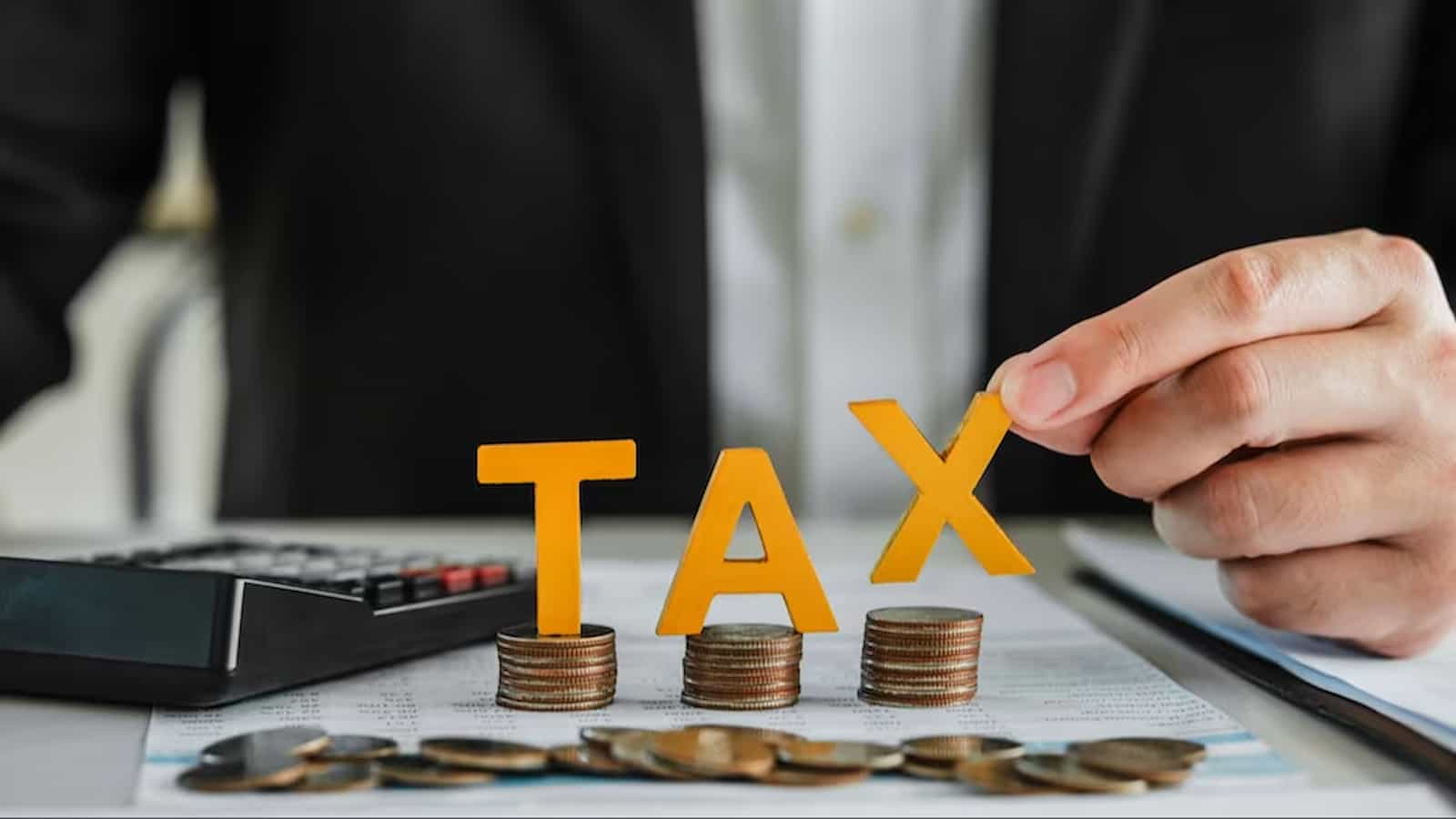
No Income Tax States: Taxes can have a big effect on housing choices. Living in a state with no personal income tax might seem like a good idea, but is it?
Let’s look at the different parts of state taxation to help you decide if states without an income tax are good for your money.
No Income Tax States
There are no personal income taxes in Alaska, Florida, Nevada, New Hampshire, South Dakota, Tennessee, Texas, Washington, and Wyoming right now. This lets people in these places keep more of their earnings, which brings a lot of people there.
Before moving, though, it’s important to know that these states often raise other taxes to make up for the lost income. This could hurt your cash. For instance, in places that don’t have an income tax, you might have to pay more for property or sales taxes.
Tax Slabs Under New Tax Regime: How Much Will You Pay for ₹7 Lakh, ₹10 Lakh, ₹12 Lakh and ₹20 lakh?
- Texas has some of the highest property tax rates in the country while being well-known for not having an income tax.
- In the same way, Washington state makes up for it with a high sales tax rate that affects how much some people spend every day.
Some places that don’t have a personal income tax also have other taxes or fees that people have to pay. Kiplinger says that Washington, a state with a lot of taxes, just passed the first-ever payroll tax on long-term care as well as a controversial capital gains tax.
So, even though the idea of not having to pay income tax sounds great, it’s important to think about the bigger picture of money. For instance, Alaska’s high cost of living might make any savings from not having an income tax less important. Tax-friendly laws like those in Florida and Nevada are well known, but many people who live in those states also have to deal with tough and expensive real estate markets.
Also, Texas and Florida may look like good places to live financially because they have low income taxes, but they often have trouble paying for basic public services like schools and roads. Data shows that Texas has had trouble keeping up with its property taxes while also spending too much on schools per student. This has led to fewer tools for students and bigger class sizes in some places. Florida has also had problems with its public transportation and keeping its roads in good shape.
These states frequently use higher sales and property taxes to make up for their low income tax collections.
Residents with lower incomes may be disproportionately affected by an unbalanced tax burden as a result.
Furthermore, a state may find it more difficult to respond to downturns in the economy if it does not get revenue from income taxes.
Artificial intelligence could revolutionize tax filing with automatic processes
States with income taxes: advantages?
It’s crucial to remember that certain inhabitants of states with income taxes may pay less in taxes overall. For example, According to Kiplinger, research conducted by the Institute on Taxation and Economic Policy (ITEP) found that, in California, the total tax burden for families with incomes under $145,900 is relatively similar to the federal average. Considering California’s image as a tax haven, that could come as a surprise.
- According to the report, compared to Texas or Florida, California has a lower tax burden on the bottom 40% of households.
- In contrast to 12.8% in Texas and 13.2% in Florida, the bottom 20% of Californian earners pay 11.7% of their income in taxes, according to ITEP.
The income tax rates in states like Michigan and Indiana are also not too high. Also, the sales and property taxes in these states are still pretty low, which helps lower the total tax burden for people in Michigan and Indiana.
It’s also very important how much money you have. What state’s tax system is best for you relies on a lot of factors, like how much money you make, whether you own property, how you spend your money, and your retirement plans.
If you make a lot of money but don’t own any land, for example, you might do better living in a state with no income tax. However, for seniors living on a fixed income, a state with a sales and property tax that is lower and an income tax may be better. You should compare and think about the retirement taxes in your state with those in other places.
Social Security Changes in 2025: Recipients could pay up to $391 more in taxes
Top states for living: those without income taxes
While taxes are a significant factor (state and local taxes are often the largest expenses for individuals), it’s also crucial to consider other factors such as employment opportunities, overall cost of living, quality of public services, climate, and lifestyle. Tax savings may not be as valuable if you are unhappy with other aspects of your life in a state.
Therefore, evaluate your financial situation, consider all taxes and living expenses, and take quality of life into account. A comprehensive approach can help you choose the best state for you, beyond just the numbers on your income tax return.