
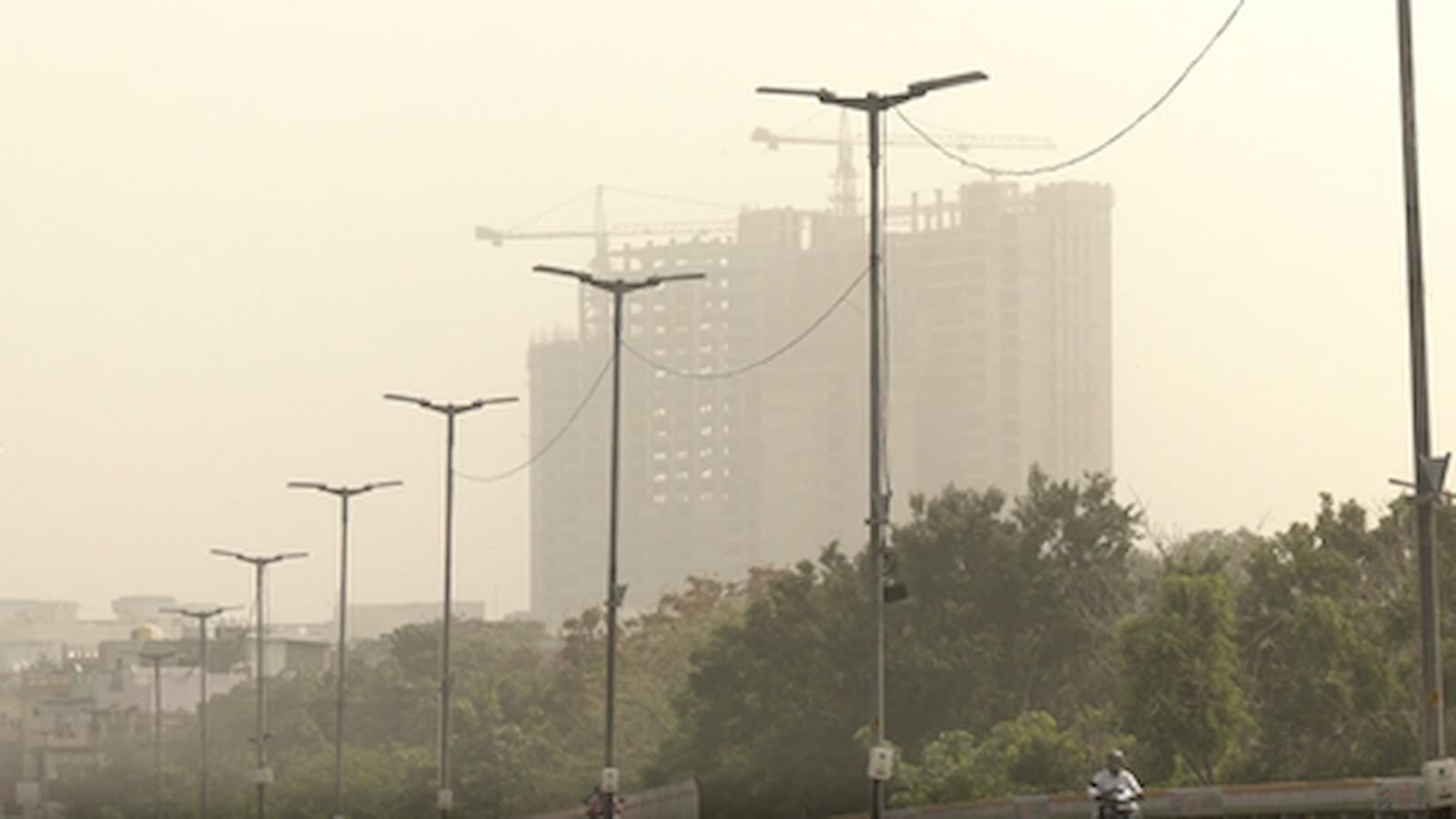
Delhi November Weather Update: The India Meteorological Department (IMD) has forecast that from November 1 onwards, minimum temperatures in the Delhi–NCR region will begin a noticeable descent dipping into the mid-teens (°C) in some areas. With the colling nights and weaker winds, atmospheric dispersion will become less effective. It is a combining effect that often traps pollutants near the surface.
Why Pollution Is Likely to Worsen
When nights get cooler, the boundary layer (the layer of air near the ground) tends to become shallower and more stable, reducing vertical mixing. Add in weaker winds, and particulate matter (PM 2.5/PM10) and nitrogen oxides from traffic, industry, burning crop residue and other sources accumulate near ground level. Past research identifies low wind‐speeds and stagnant conditions as primary drivers of Delhi’s “smog spikes”. In short: cooler minimums + stagnant air = higher pollution risk.
Delhi November Weather Update
Authorities are already on alert. The Graded Response Action Plan (GRAP) which is the trigger-based framework used in Delhi to impose restrictions when air quality worsens may see further escalation into its next phase if conditions deteriorate. For example, recently Stage II curbs were activated as air quality dipped into the “very poor” category. The IMD and pollution-monitoring agencies are closely watching the coming 1-2 weeks to decide if stricter measures must be invoked.
Delhi-NCR Weather Forecast: IMD issues ‘orange’ alert
Interactive risks and precautions
With worsening air quality, vulnerable groups (children, elderly, persons with respiratory or cardiovascular conditions) will face heightened risk of irritation, asthma exacerbation, reduced lung function and other health impacts.
On days with forecast low minimums and weak winds, outdoor activities may be best limited especially in the early morning or evening when pollutant buildup is greatest.
Authorities may impose additional curbs under GRAP: for example, odd/even vehicle schemes, restrictions on construction dust, increased public-transport incentives or higher parking charges (already in place in some zones).
Residents can monitor real-time AQI (Air Quality Index) via official platforms and plan accordingly.
Policy Implications
This seasonal dynamic earlier arrival of colder nights, weaker ventilation, accumulation of emissions is well documented in Delhi’s air-quality cycles. As the minimum temperatures decline and wind speeds ease, policymakers and forecasting agencies must coordinate to issue early warnings, activate curbs promptly, and engage in longer-term mitigation (dust control, stricter vehicular norms, crop-residue management). The next few weeks will be critical in setting the tone for the 2025–26 pollution season.
With minimum temperatures set to fall from November 1, Delhi is entering a period of elevated risk for air‐pollution deterioration. Atmospheric conditions will favour accumulation of harmful particles, and the next phase of GRAP may be implemented if air quality worsens.