

Google’s Android XR Smart Glasses: The rumour mill has turned into an official rollout, Google is making a bold comeback in the smart eyewear market. After the much-criticized Google Glass from a decade ago, the tech giant has reimagined what “smart glasses” could mean in 2026. And this time, they’re not just functional they’re fashionable, powerful, and backed by next-generation AI and Android XR.
Google’s Android XR Smart Glasses
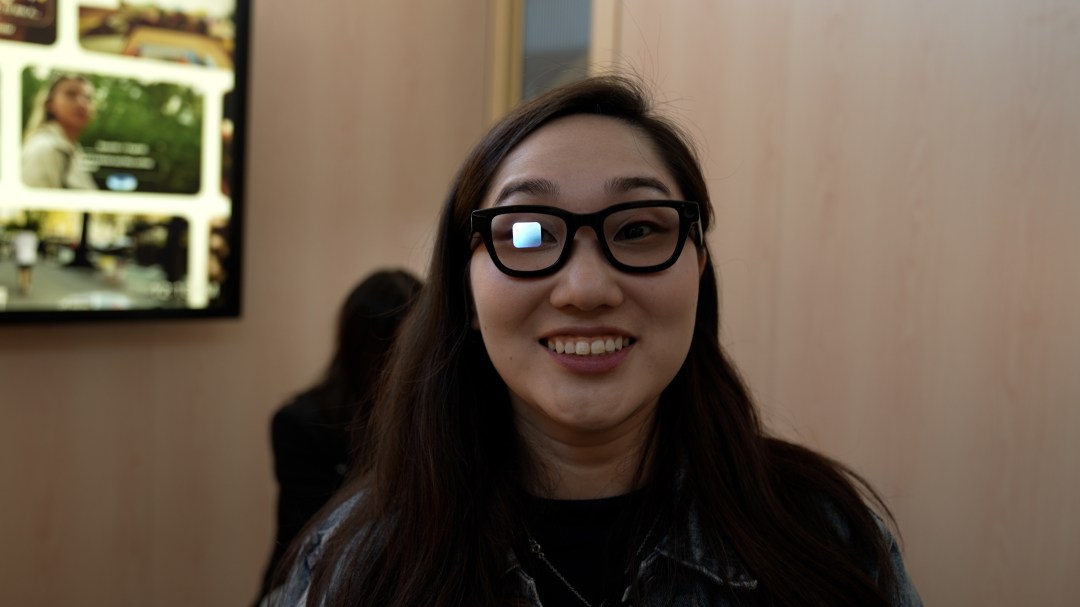
Google has officially revived its plans for smart glasses, but with a completely rethought strategy. While earlier attempts at wearable tech focused more on novelty than utility, the upcoming products are designed to be useful, stylish and socially acceptable to wear in public.
Unlike the first generation of Google Glass, which critics said was rushed and awkward this new wave will take advantage of Gemini AI, Google’s advanced intelligence engine, and Android XR, a dedicated extended reality platform. This is Google’s most serious bid yet at embedding computational intelligence directly into eyewear.
What Makes These Smart Glasses Stand Out?
1. Deep AI Built In (Powered by Gemini)
The main feature is real AI integration. The new glasses will have Google’s Gemini AI which can handle voice commands, give you contextual information about your environment, help in translation, tell you the way, and do a lot of other things without the need of your phone.
2. Android XR
Unlike earlier smart glass attempts that had their own isolated software, Google’s new smart eyewear runs on Android XR, a dedicated platform designed specifically for spatial and mixed reality devices. It means apps, AI services, and even enterprise tools can be built for smart glasses, not just retrofitted.
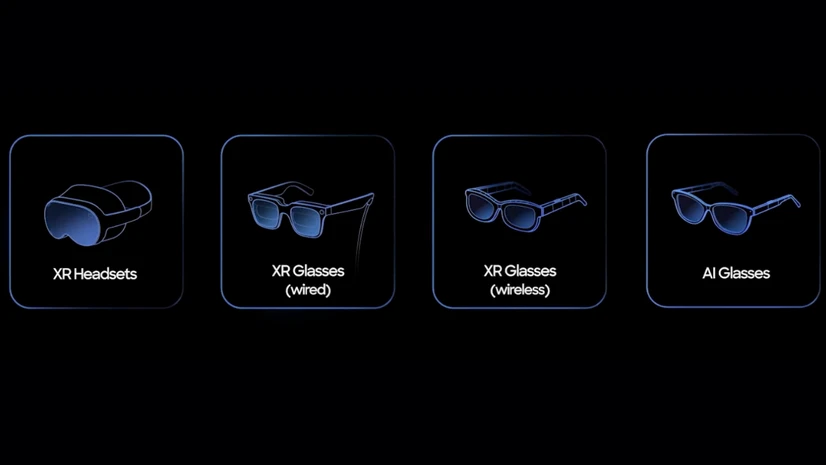
Android XR also ties in with other devices: headsets, wearables, and even phone interfaces creating a unified ecosystem rather than isolated hardware.
Two Distinct Models
Google isn’t releasing one version, it’s exploring multiple variants to fit different lifestyles:
Audio-Only Glass: These lightweight frames focus on voice interactions with Gemini AI. They won’t have a display, but they’ll provide real-time information and natural language conversations through built-in speakers and microphones.
Display Glasses: Think of these as the next step up. They include in-lens AR displays that can show navigation cues, live translations, alerts, and other contextual info layered over your real-world view.
Apple iOS 26 Launch: Liquid Glass, AI Upgrades, and Other Features
Google’s Android XR Smart Glasses: Fashion Meets High Tech
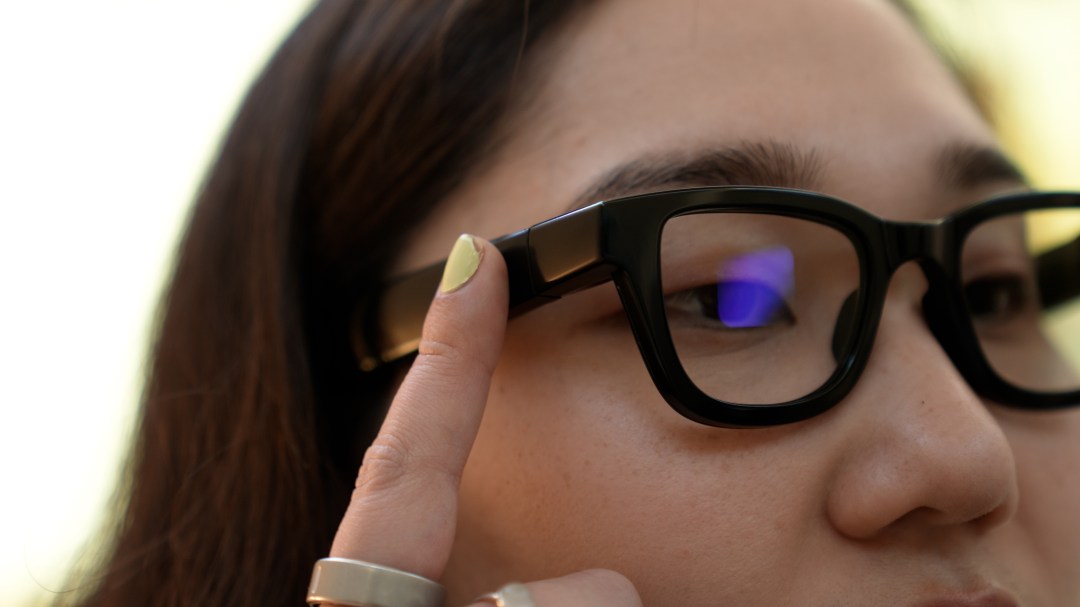
One of the smartest moves Google is making is not doing this alone. Instead of releasing industrial-style prototype frames, Google has teamed up with fashion and eyewear brands such as:
- Gentle Monster known for bold, high-fashion eyewear.
- Warby Parker famed for stylish, everyday wearables.
- Samsung bringing engineering and broad distribution muscle.
What to Expect And When?
According to official previews and industry coverage, Google is targeting a 2026 launch hoping to capture early adopters next year with functional AI wearable options.
At first glance, whether it’s for navigation, translation, or just asking questions to Gemini, this technology promises to make AI feel ambient and accessible in a way that phones or watches never quite have.
After over ten years of various attempts to make wearable eyewear work, Google is now coming back in a way that is more purposeful than just trying things out. Thanks to AI, Android XR, and collaborations with fashion brands, these glasses might be the ones that will help the next generation of wearable computing to become common and thus smart eyewear ceasing to be a far-fetched idea of a sci-fi but entering the reality of everyday life.