
Changes in November: Starting on November 1, 2024, there will be significant changes that will impact a variety of industries, including mutual funds, telecom, LPG, and banking. Here are six significant changes that may affect the everyday expenses of consumers.
Key changes in November
1. LPG Cylinder Prices
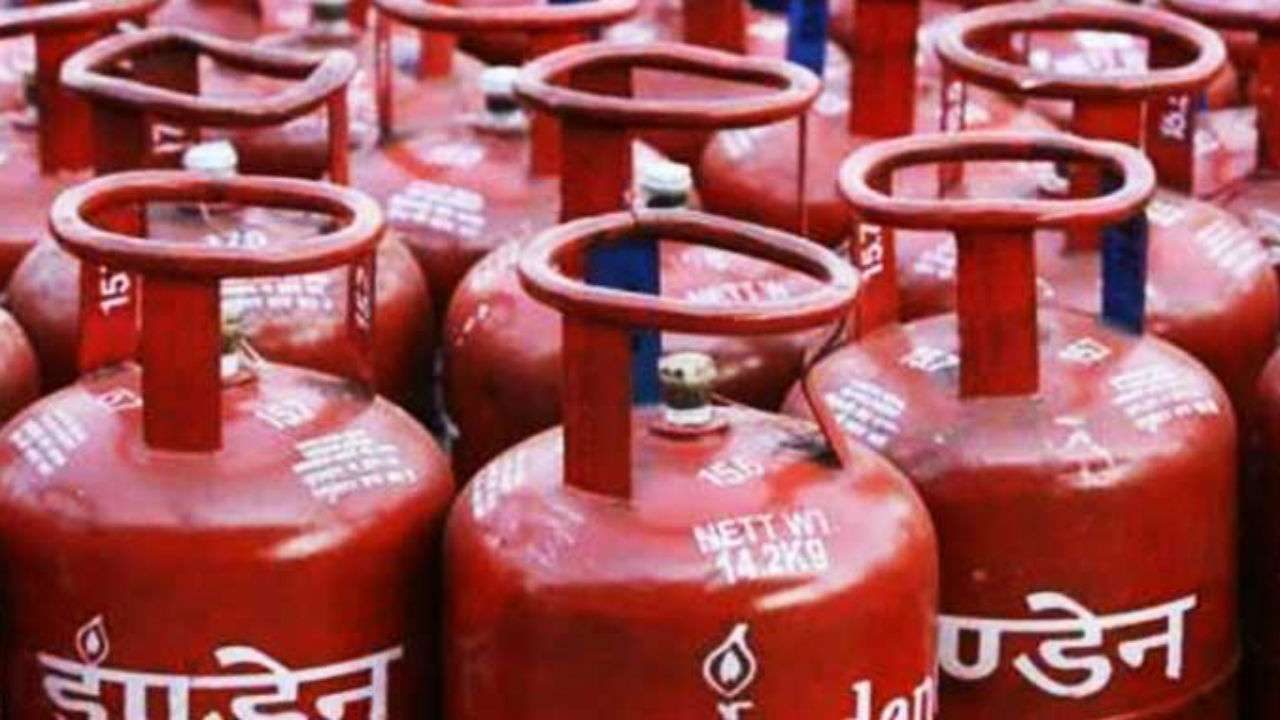
The prices for LPG cylinders are changed by oil companies every month on the first. From November 1 to 11, the price of the 14 kg domestic cylinder might go down. It has been stable for a while. Since then, the price of commercial cylinders has been going up. On October 1, Delhi saw a Rs 48.50 increase.
2024 Standard Deduction: Key Changes and Inflation Adjustments You Need to Know
2. ATF, CNG, and PNG Rates
The cost of air turbine fuel (ATF), CNG, and PNG may change. Recent months have seen a decline in ATF prices, and given the holiday season, another cut might be imminent.
3. SBI Credit Card Rules
Starting November 1, new regulations will apply to SBI credit cards. Unsecured SBI credit cards will incur a monthly finance charge of 3.75%. Additionally, utility payments exceeding Rs 50,000, such as those for gas and electricity bills, will attract a 1% surcharge. These changes may affect cardholders’ overall costs and payment strategies.
4. Mutual Fund Regulations
SEBI will enforce more stringent guidelines regarding insider trading in mutual funds. To maintain compliance, Asset Management Companies (AMCs) are required to report any transactions involving nominees or close family members that exceed Rs 15 lakhs.
Himachal Cabinet changes criteria for Van Mitra recruitment
5. New Telecom Regulations
Jio, Airtel, and other telecom providers are required to use message traceability in order to prevent spam. In order to shield customers from unsolicited calls and messages, businesses will now block spam numbers.
6. Bank Holidays
In November, banks will be closed for 13 days because of school breaks and state elections. Online banking will be available 24 hours a day, seven days a week for all transactions.
The purpose of these rules is to make services safer and better, but they might also change how much people pay.