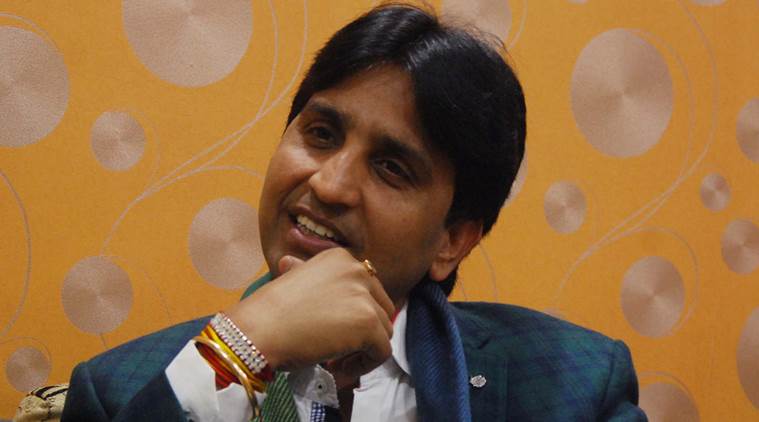


Padmaavat Jauhar Controversy: The uproar around Sanjay Leela Bhansali’s Padmaavat is back in the news. It has come up almost eight years after the movie first released. This time, actress Swara Bhasker has returned to the same line of criticism about the film’s Jauhar sequence.
Bhasker spoke at an event in Delhi. She again questioned how the climactic scene is shown. She also said the scene could affect how survivors of sexual abuse understand what is being sent to the public.
According to her, showing women who pick death when they face sexual violence can be harmful. She worries that some viewers may take it to mean that a woman’s life or dignity is over once rape happens.
Her comments have sparked a new online debate. People are arguing about three things. Did the scene get treated like something to admire? What is the right way to show violence from the past? And is it possible to read the scene as feminist today while still keeping in mind how Jauhar is usually discussed in history?
What Did Swara Bhasker Say About Padmaavat?
Bhasker’s criticism is not new. In 2018, around the release of Padmaavat, she wrote an open letter to director Sanjay Leela Bhansali, objecting to what she saw as the film’s treatment of Jauhar and Sati. She argued that the portrayal reduced women’s identity to their sexuality and questioned the implication that death could be considered preferable to surviving sexual violence.
She questioned what a rape survivor might take away from watching the scene. “I was watching it, and I thought that if God forbid, I was a rape survivor, what is this film telling me?”
“Are we saying that rape is end of a woman’s life? This scene was so problematic,” she said.
“Then there was this one shot, which made me so mad that I shouted ‘chii’ loudly,” she said.
Gonna say it AGAIN… it is WILD how many woman and men are triggered by the idea that rape survivors have the right to life after the horrible crime committed on them.
— Swara Bhasker (@ReallySwara) September 1, 2026
“So you are telling me that a fetus, which might be a female, doesn’t deserve to be born because she might be raped by a Muslim ruler,’ she said.
“I waited for five days to check if I still felt like that, and after five days, I wrote a letter,” she said.
What Is Jauhar?
Jauhar refers to the historical practice described in accounts of medieval warfare in which women, facing the prospect of capture, enslavement or sexual violence following a military defeat, collectively died by self-immolation. It shows up in popular history talk most often with Rajput groups and stories about fort sieges in Rajasthan.
But Jauhar and Sati are different things. Jauhar is linked to war. It is usually described as a group self-immolation during a fight. Sati is a separate practice. It is about a widow who was expected, or forced, to die on her husband’s funeral pyre.
Padmaavat Jauhar Controversy: Movie Scene
In the final stretch of the film, Rani Padmavati, played by Deepika Padukone and many other women enter the fire in a Jauhar scene. This takes place after Chittor falls.
The scene is made to feel huge and polished. It fits Bhansali’s style for history and period stories. Bhasker’s critique focuses on that choice. She is not only asking if Jauhar really happened. She also asks what a modern movie means when it shows the act using strong drama and striking images.
मेरा एक वीडियो क्लिप वायरल है- जिसे ग़लत रूप से झूठे ढंग से अनुवादित किया जा रहा है! मैंने कतई नहीं कहा कि रानी पद्मावती या कोई भी सती कायर थी । शर्मनाक है कि @ndtvindia और अन्य मीडिया चैनल और लोग बार बार झूठा इल्ज़ाम लगाकर लोगों को उत्तेजित कर रहे हैं ।
गाली देनी है तो दो- पर… pic.twitter.com/TR8sy5gRCr— Swara Bhasker (@ReallySwara) September 1, 2026
Originally titled Padmavati, the project became the target of protests by Rajput organisations, particularly the Rajput Karni Sena. Protesters alleged that the film distorted the story and insulted the honour of Rani Padmavati.
The controversy escalated dramatically. In January 2017, members of the Karni Sena vandalised the film’s Jaipur set and assaulted Bhansali. Later, another set in Kolhapur was attacked and set on fire. The controversy eventually spread to several states.
Why Was The Film Renamed Padmaavat?
The filmmakers changed the name from Padmavati to Padmaavat, reflecting the filmmakers’ position that the movie was inspired by Malik Muhammad Jayasi’s 16th-century epic poem Padmavat rather than being a straightforward historical account.
The CBFC asked for some edits before it would approve the film.
News reports around the time of the CBFC ruling said the edits covered a few things. The disclaimer tied to historical claims was changed. The title was adjusted. The Ghoomar portion was altered. Some lines that named old places were corrected. Another disclaimer was added too, saying the movie did not back or celebrate Sati.
Is Rani Padmavati’s Story Actually Proven?
The tale of Padmavati, also known as Padmini, sits in Indian cultural memory. This is especially true in Rajput traditions. Still, the version people repeat today is mostly drawn from Malik Muhammad Jayasi’s 16th-century epic, Padmavat. That work reads like poetry. It is not a modern type of record about the siege in 1303.
So it would be wrong to call every scene in Padmaavat a confirmed historical event. The film had to include notes about historical accuracy. The CBFC changes were made to deal with that exact point.