

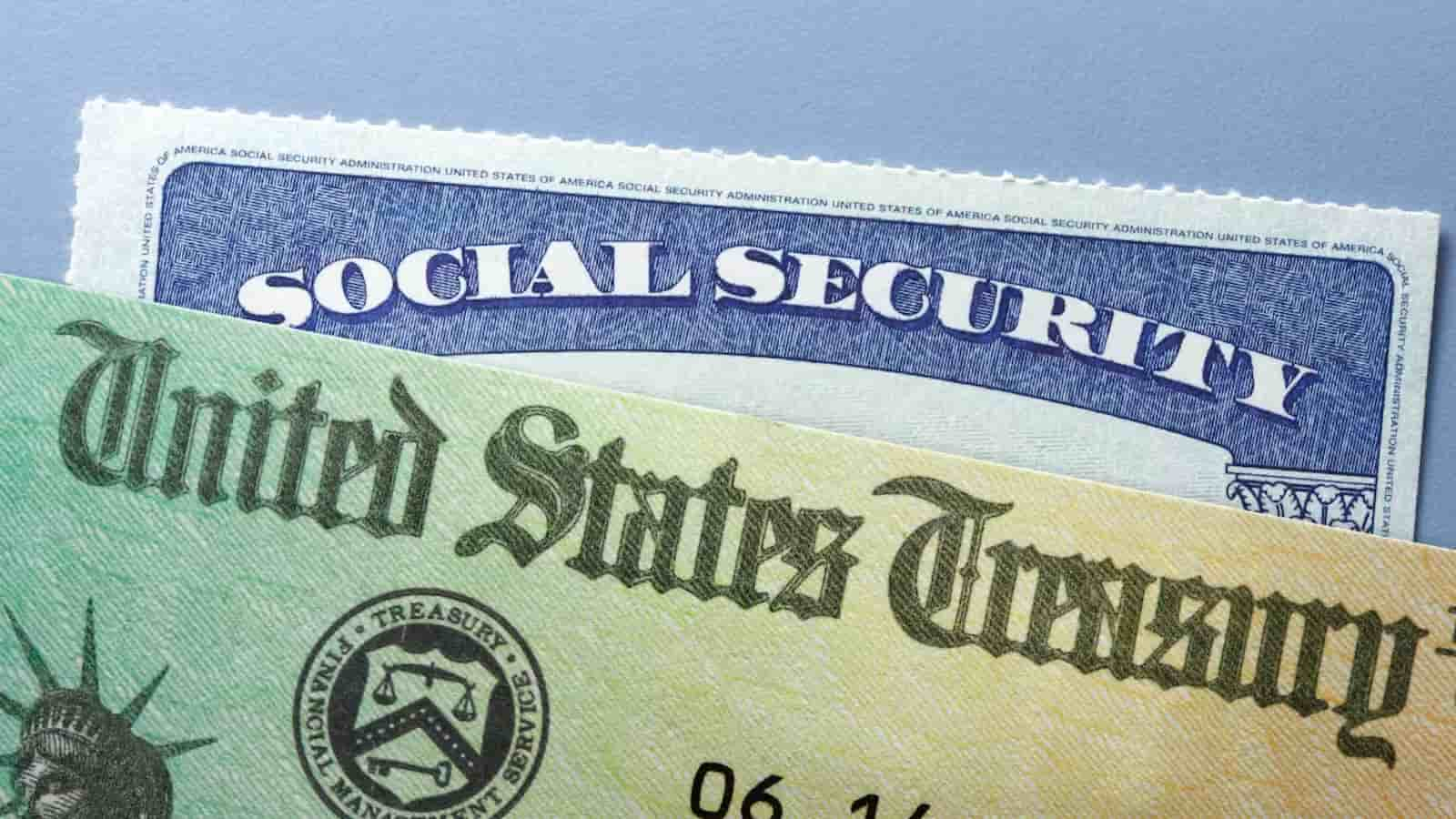
Spouse Social Security: Under select conditions, a widow can collect her late husband’s Social Security benefits after he dies, but how does a widow go about doing this to ensure she can continue to pay the rent, mortgage, or other bills?
Overseen by the Social Security Administration, some 66 million people receive benefits funded through payroll taxes as part of the Federal Insurance Contributions Act (FICA) and the Self-Employed Contributions Act (SECA).
Spouse Social Security: Can they get it?
When a person retires, becomes disabled, or passes away, a widow/widower, or a dependent, can begin to claim an average monthly payment of $1,835 as an individual or $2,972 as a couple. It is this latter element that causes concern: what happens when one half of the couple dies?
How Much Will Your Payment Increase with the Social Security Fairness Act?
Does the surviving spouse lose over $1,000 in earnings? The answer is not necessarily. If the widow has reached her Full Retirement Age (FRA), which ranges from 66 to 67 depending on her birth year, she is eligible to receive 100% of the deceased spouse’s benefit.
The amount she will receive is reduced if she claims Social Security benefits earlier than her FRA. For example, if the widow begins claiming the benefit between the ages of 60 and 65, she will receive between 71% to 99% of the deceased spouse’s benefit. If the widow is caring for a spouse’s child, she will receive about 75% of the benefit as part of mother’s or father’s benefits.
To begin receiving benefits, the widow must apply through the Social Security Administration (SSA), as survivor benefits are not automatically granted. She will need to provide documentation such as the spouse’s death certificate and proof of marriage.
What does Social Security’s future hold?
A declining birthrate and an aging population provide significant challenges for Social Security, which now pays people for longer periods of time with less money coming from younger generations due to fewer children.
How to Schedule an Appointment at Your Social Security Office: Easy Online Guide
In the absence of systemic reforms, the Social Security trust fund is expected to run out by 2034, at which point benefits—roughly 77% of scheduled benefits—would be paid for by continuing payroll taxes. It is doubtful that Social Security will ever be discontinued because Congress has the authority to decide how to continue supporting it, including raising the FICA and SECA percentage amounts by more than one percent.