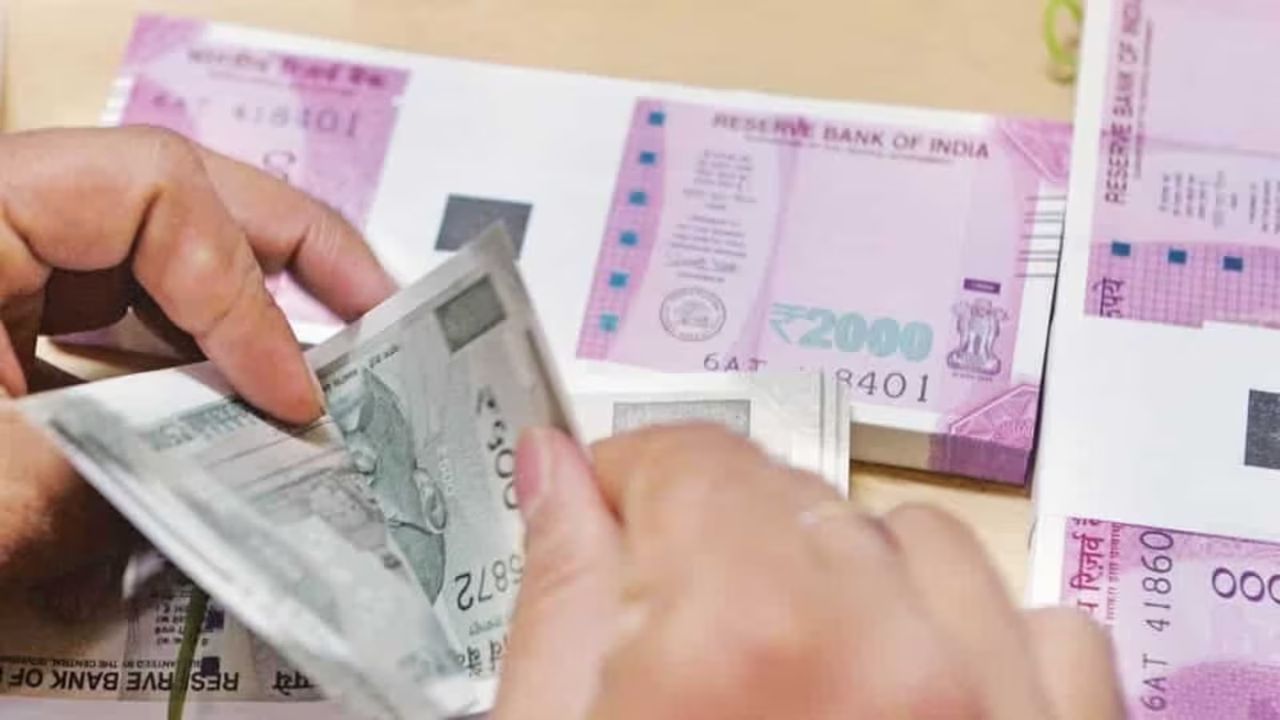
8th Pay Commission Fitment Factor: Many government empolyees are waiting for the 8th Pay Commission. People want to know how much their salary will increase. A big part of this is something called the fitment factor. It’s a number used to multiply the old basic salary to get the new one. But just because the number is big doesn’t always mean the pay will increase a lot.
ITR Filing 2025: Here’s How to Pick Between Old and New Tax Regimes
Some people think a higher fitment factor always means a better salary. But that’s not true when we look at the past. In the 6th Pay Commission, the fitment factor was around 1.86, and government workers got a real pay hike of 54%. In the 7th Pay Commission, the fitment factor was 2.57, but the real hike was only about 14.2%. So, the number looked bigger in the 7th, but the real extra money was smaller than in the 6th.
Why does this happen?
The government also gives something called Dearness Allowance (DA) to help workers deal with rising prices (inflation). When a new pay commission comes, they mix the DA and the basic pay together. Then they add a little extra as the real salary hike.
According to Upstox, in the 7th Pay Commission, the fitment factor was 2.57. Out of this, 2.25 was used just to add DA (which was 125% at that time) to the basic pay. The rest of the amount (0.32) was the real increase in salary. If you divide 2.57 by 2.25, you get 1.1429, which is a 14.2% real hike.\
ELSS Tax: What Happens After the 3-Year Lock-In Period?
So, most of the increase in 7th CPC was not real salary growth. It was just covering the DA. That’s why even with a bigger number, the real benefit was less.
What to expect now?
The 8th Pay Commission will also check current salaries and inflation before making changes. The final number will take time. Government workers should know that the real benefit depends not only on the fitment factor but also on how much of it is used to cover DA.