

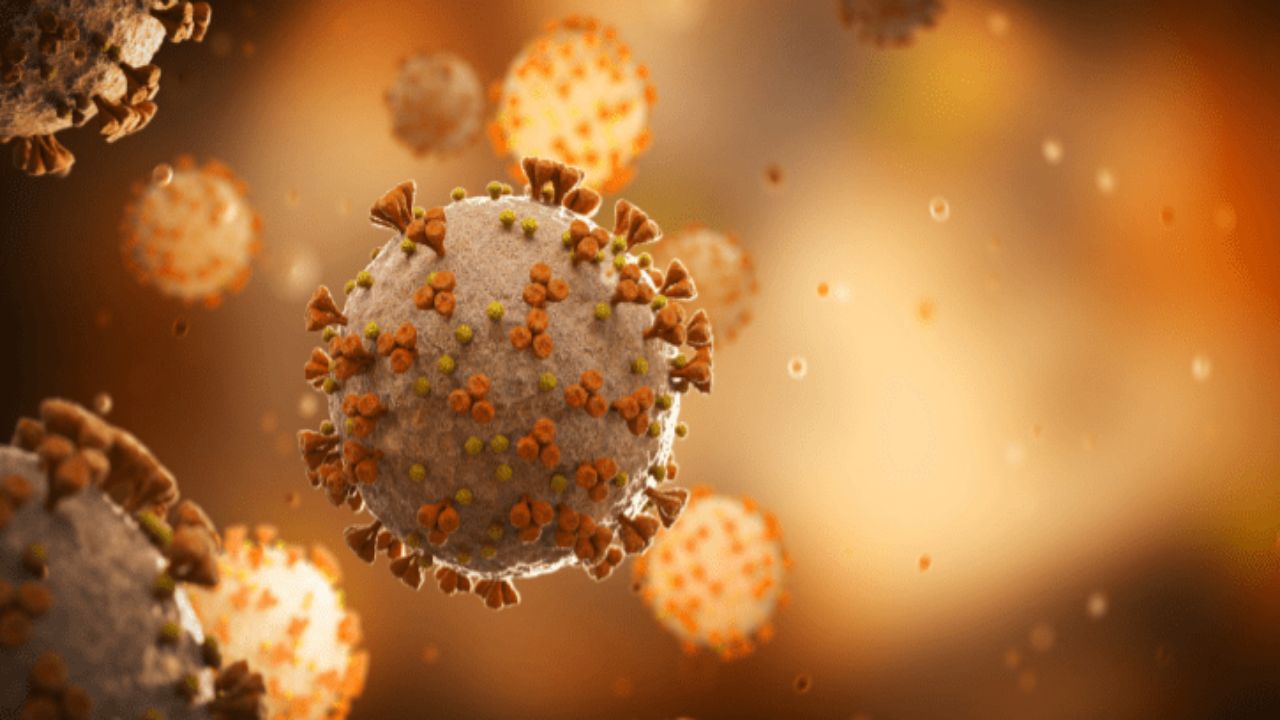
New Delhi: Several Asian countries are witnessing a fresh surge in Covid-19 cases, driven by the fast-spreading JN.1 variant and its newer offshoots. Singapore, Hong Kong, China, and Thailand have reported a noticeable rise in infections since late April 2025, prompting global health authorities to keep a close watch.
Singapore saw a spike from 11,100 to over 14,000 weekly cases in early May. Hospitalisations have also climbed, though ICU admissions remain low. According to local health officials, there’s no sign that the new variants are more dangerous or severe than those seen in past waves.
What’s Fueling the Rise?
Experts point to a mix of waning immunity and natural infection cycles. The dominant strains in this wave are LF.7 and NB.1.8, both descendants of the JN.1 variant, which now account for over two-thirds of cases in the region.
India, however, hasn’t seen a similar rise. As of May 19, only 93 active Covid-19 cases were reported nationwide, according to the Ministry of Health and Family Welfare. Mumbai has seen a mild increase, mostly among younger people, but doctors stress that these are non-severe cases and not cause for panic.
Supreme Court Rejects Sensational COVID-19 Vaccine Side-Effects Plea
What Is the JN.1 Variant?
JN.1 is part of the Omicron BA.2.86 lineage, first flagged in August 2023. It was classified as a Variant of Interest by the WHO in December 2023. JN.1 carries more than 30 mutations, making it better at dodging existing immunity. While its parent strain didn’t dominate globally, JN.1 has since evolved to spread more efficiently.
According to WHO data, JN.1 has become the most common Covid-19 strain worldwide, making up over 90% of sequenced cases across all major WHO regions—including Southeast Asia.
Are Vaccines Still Effective?
Current vaccines do offer partial protection. Studies show that antibodies from previous vaccines or infections are less effective at neutralising JN.1. However, the XBB.1.5 monovalent booster, a newer vaccine updated for recent Omicron strains, has shown promise.
Data from US studies suggest the booster can reduce symptomatic JN.1 infections by 19% to 49%. Several vaccines based on the XBB.1.5 strain are available globally, including Pfizer’s Comirnaty, Moderna’s Spikevax, Novavax’s Nuvaxovid, and Japan’s Zapomeran (Kostaive).
What’s Available in India?
India currently offers Covovax XBB.1.5, the only booster updated to target the XBB.1.5 subvariant. While uptake remains limited, health officials are encouraging at-risk individuals to consider the updated shot, especially ahead of the monsoon, when respiratory infections tend to rise.
What Are the Symptoms of JN.1?
JN.1 symptoms are similar to previous variants:
-
Common symptoms: Sore throat, dry cough, fever, fatigue, headache, nasal congestion, loss of taste or smell.
-
Less common: Conjunctivitis, diarrhoea, vomiting, muscle pain.
-
Serious signs: Difficulty breathing—seek immediate medical care.
Doctors say most infections are mild and manageable at home, thanks to high vaccine coverage and natural immunity from past infections.