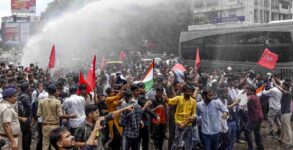


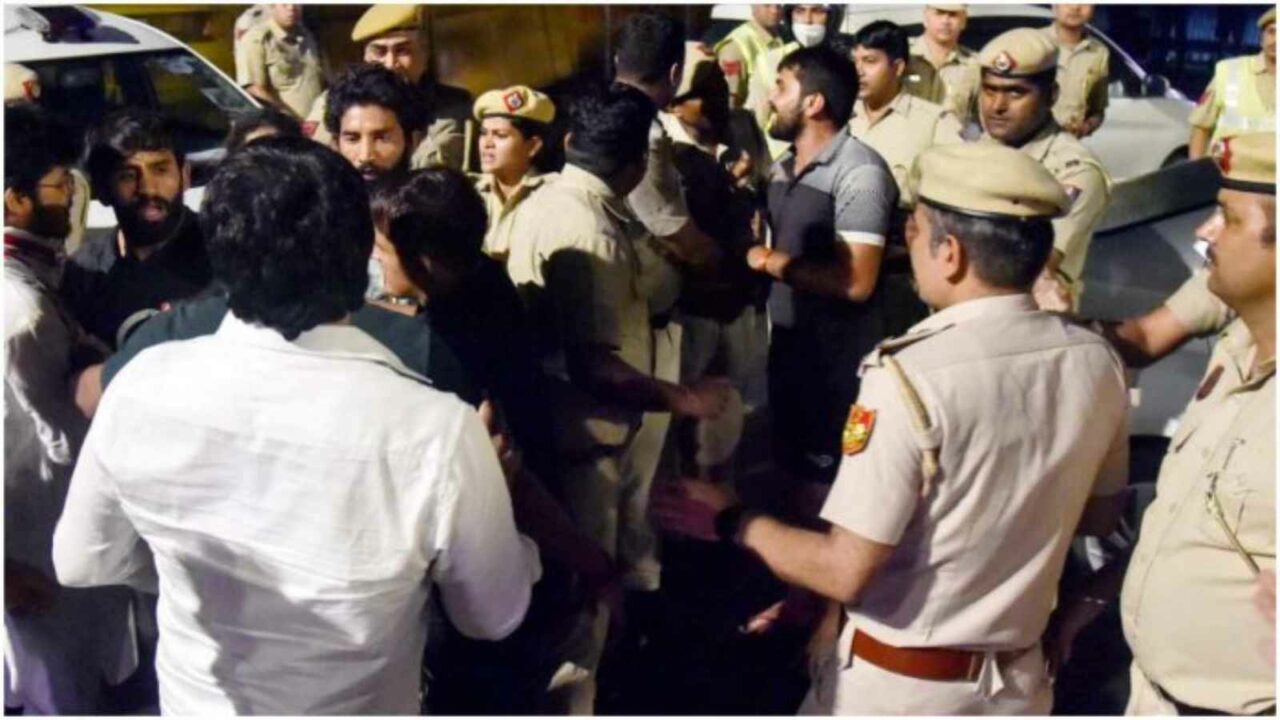
Neha Bora and Lawyers Detained: On October 10, the protest linked to the detention of CJP leaders shifted again. Activist Neha Bora and several other demonstrators were reportedly taken into custody while they moved towards Dilli Haat.
Bora had been at the front of the march after CJP leaders were detained. Activists then went onto the streets to voice their worries. The new detentions have become the latest twist in the same protest. They also put fresh focus on how demonstrations are managed in the national capital.
Why Did Neha Bora And Others Face Detention?
Reports say the march went ahead after the earlier detention of CJP leaders. The group continued by walking towards Dilli Haat. Neha Bora was leading the push when she and other participants were detained.
View this post on Instagram
That said, the exact reasons for the detention are not clear yet. It is also not confirmed which legal steps were used, or if the participants were arrested in a formal way.
Dhruv Rathee Detained, CJP Leaders Held Ahead of Delhi Protest: Is Police Action Legal?
Many Lawyers Detained
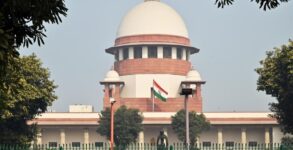
Lawyers in formal clothes were stopped on Bhagwan Das Road close to the Supreme Court. They had planned to move toward Jantar Mantar. The group raised slogans and held posters calling for CEC Gyanesh Kumar to resign. Police blocked them with barricades.
The Supreme Court Bar Association said it was worried about reports of harsh treatment of advocates. It also pointed to the detention of lawyers during what it called a peaceful protest at the Supreme Court.
SCBA president and senior advocate Pradeep Rai said he spoke with the DCP of Delhi Police. He asked for the release of about 45 lawyers who were detained in different areas. Rai said the CJI also spoke with the authorities and requested that they be freed.
Detentions during the protest have again sparked debate on civil rights. People are questioning how authorities manage public order while also protecting the right to gather peacefully.
Shashi Tharoor Reacts
Congress MP Shashi Tharoor criticised the security setup and the limits placed in Delhi before the Cockroach Janta Party protest against the Election Commission. He called the situation shameful and wrong. Tharoor said he came back to Delhi after 2am and that he had seldom seen such checkpoints. He also cited concrete barriers and spike strips on roads. He said the police and paramilitary presence looked like a “war-like deployment” of 22,000 personnel.
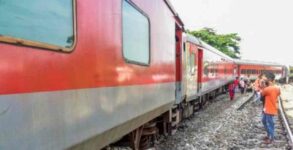
He said 250 train services were stopped, 45 metro stations were shut, and there were claims that young people were taken from their homes and from the streets.
He called the internet cut in central Delhi regressive and harsh. In his view, people’s right to move around was “fully blocked”.
Further details about the detainees, the police response and the next course of action are awaited.