Cabinet Resignations in India: Cabinet resignations have often shown up as defining turning points in India’s political story, they’re really tied to ministerial responsibility, coalition strain, court-level checking, public anger or a change in the overall political plan. From allegations about graft at the top level to admin missteps, even electoral disappointments, multiple Union ministers have stepped down across the decades and that reshaped governments and also adjusted what people were actually talking about.
Cabinet Resignations in India
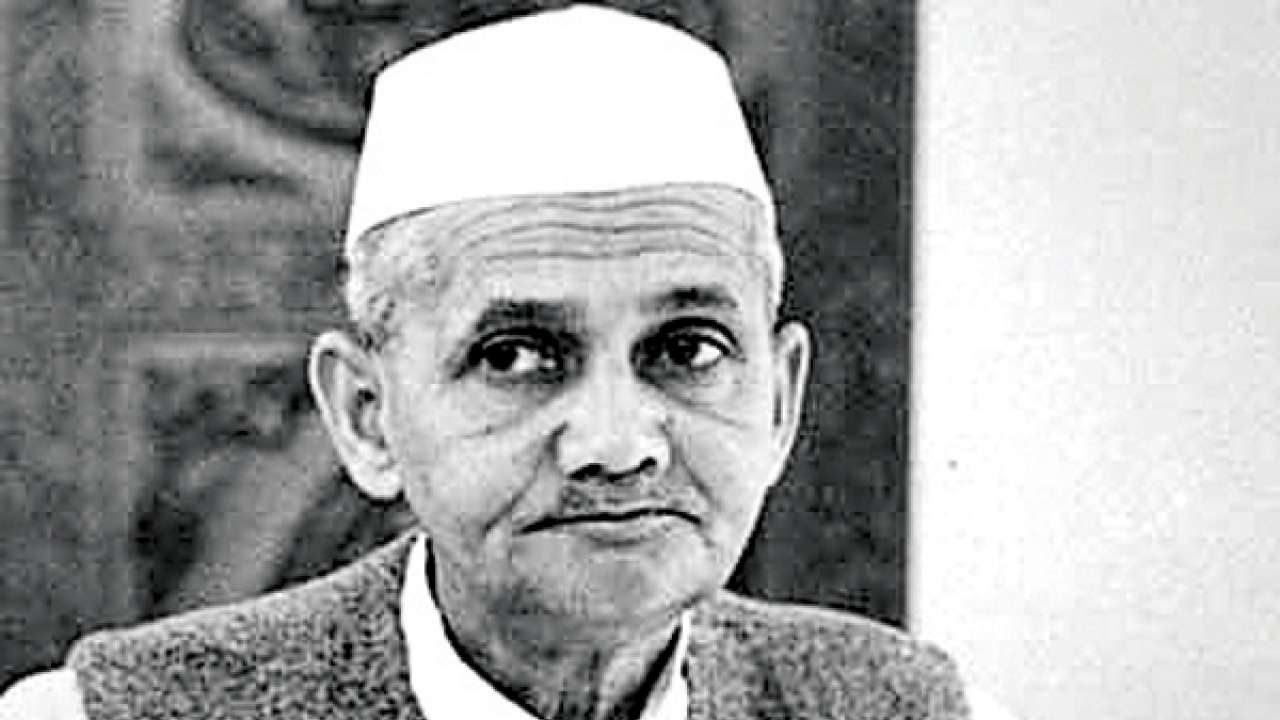
Lal Bahadur Shastri (1956)
One of the go to examples of political accountability is from 1956, when Railway Minister Lal Bahadur Shastri resigned after the Ariyalur train accident in Tamil Nadu which resulted in hundreds of deaths.
Prime Minister Jawaharlal Nehru first tried to not accept the resignation. Still, Shastri insisted that he should shoulder moral responsibility for the tragedy, you could say as a point of conscience. His resignation later became a sort of yardstick for ministerial ethics in Indian politics. It is still often cited in conversations about public responsibility, and accountability.
T. T. Krishnamachari (1958)
Finance Minister T. T. Krishnamachari resigned in 1958 after the Mundhra scandal, one of independent India’s earliest financial controversies.
The scandal involved the Life Insurance Corporation’s investment in companies owned by businessman Haridas Mundhra. A judicial inquiry headed by Justice M. C. Chagla criticized a bunch of administrative lapses and it dragged things into the open, leading to Krishnamachari’s resignation.
V. P. Singh (1987)
Defence Minister V. P. Singh resigned in 1987, as political tensions were building up. This happened around defence procurement and there were accusations which later became linked to the Bofors scandal, for all practical purposes.
Although his resignation stemmed from broader differences within the Rajiv Gandhi government, the controversy transformed Singh into one of the country’s most prominent anti-corruption political figures before he eventually became Prime Minister.
Madhavrao Scindia (1993)
Railway Minister Madhavrao Scindia resigned in 1993 after a major train accident near Kota in Rajasthan that killed dozens of passengers.
Like Lal Bahadur Shastri decades earlier, Scindia described his decision as one based on moral responsibility rather than personal culpability.
Nitish Kumar (1999)
Railway Minister Nitish Kumar resigned in 1999 following the Gaisal train collision in West Bengal, one of India’s deadliest rail accidents.
His resignation reinforced the convention that railway ministers could accept political responsibility following major railway disasters.
Cabinet Resignations in India: Bangaru Laxman (2001)
Although serving as BJP president rather than a Cabinet minister at the time, Bangaru Laxman resigned after the Tehelka undercover operation showed him accepting cash from journalists posing as defence representatives.
George Fernandes (2001)
Defence Minister George Fernandes resigned in 2001 following the Tehelka revelations and mounting opposition pressure.
He later returned to the Cabinet after political developments and investigations progressed, making his resignation one of the most closely watched episodes during the Vajpayee government.
Riot Accused May Face Passport Cancellation After CJP Protest Violence: Delhi Police Sources
Shibu Soren (2004)
Coal Minister Shibu Soren resigned in 2004 after a court issued a non-bailable warrant in connection with an older criminal case.
He later re-entered the Union Cabinet after obtaining legal relief, illustrating how resignations can also occur due to judicial proceedings rather than administrative controversies.
A. Raja (2010)
Telecommunications Minister A. Raja resigned in November 2010 amid allegations related to the allocation of 2G spectrum licences.
The controversy became one of India’s biggest political issues of the decade. Raja was later acquitted by a special CBI court in 2017, although the political impact of the resignation remained significant.
Ashwani Kumar (2013)
Law Minister Ashwani Kumar resigned in 2013 after allegations that officials had altered portions of a Central Bureau of Investigation status report connected to the coal allocation investigations.
Pawan Kumar Bansal (2013)
Railway Minister Pawan Kumar Bansal resigned in 2013 after his nephew was arrested in a railway recruitment bribery investigation.
Although Bansal denied wrongdoing, the controversy generated substantial political pressure on the UPA government.
M. J. Akbar (2018)
Minister of State for External Affairs M. J. Akbar resigned in October 2018 after multiple women journalists accused him of sexual harassment during India’s #MeToo movement.
Akbar denied the allegations but stepped down while legal proceedings continued, making it one of the most prominent resignations linked to workplace misconduct allegations.
Harsimrat Kaur Badal (2020)
Food Processing Industries Minister Harsimrat Kaur Badal resigned in September 2020 in protest against the three central farm laws introduced by the Narendra Modi government.
Her resignation reflected coalition differences and preceded the withdrawal of the Shiromani Akali Dal from the National Democratic Alliance (NDA).
Cabinet Resignations in India: Dharmendra Pradhan (2026)
Union Education Minister Dharmendra Pradhan stepped down on 25th July 2026, after weeks of nationwide political and public scrutiny around questions tied to the education sector. His resignation came after steady pressure from opposition parties, student collectives and wider public debate, on how the government was handling the whole thing.
Prime Minister Narendra Modi accepted the resignation, and soon after that the government spoke about interim administrative arrangements, while talks kept running on a more permanent replacement, though the direction wasn’t fully settled.
Like with several earlier Cabinet resignations, the longer-term political fallout may hinge on what later investigations reveal, what administrative reforms actually get put in motion and how electoral developments unfold over time.
Also from Lal Bahadur Shastri’s moral posture back in 1956 to the newer resignations that were pushed along by judicial attention or public pressure, these episodes keep feeding the conversation on ministerial responsibility within India’s parliamentary democracy.