

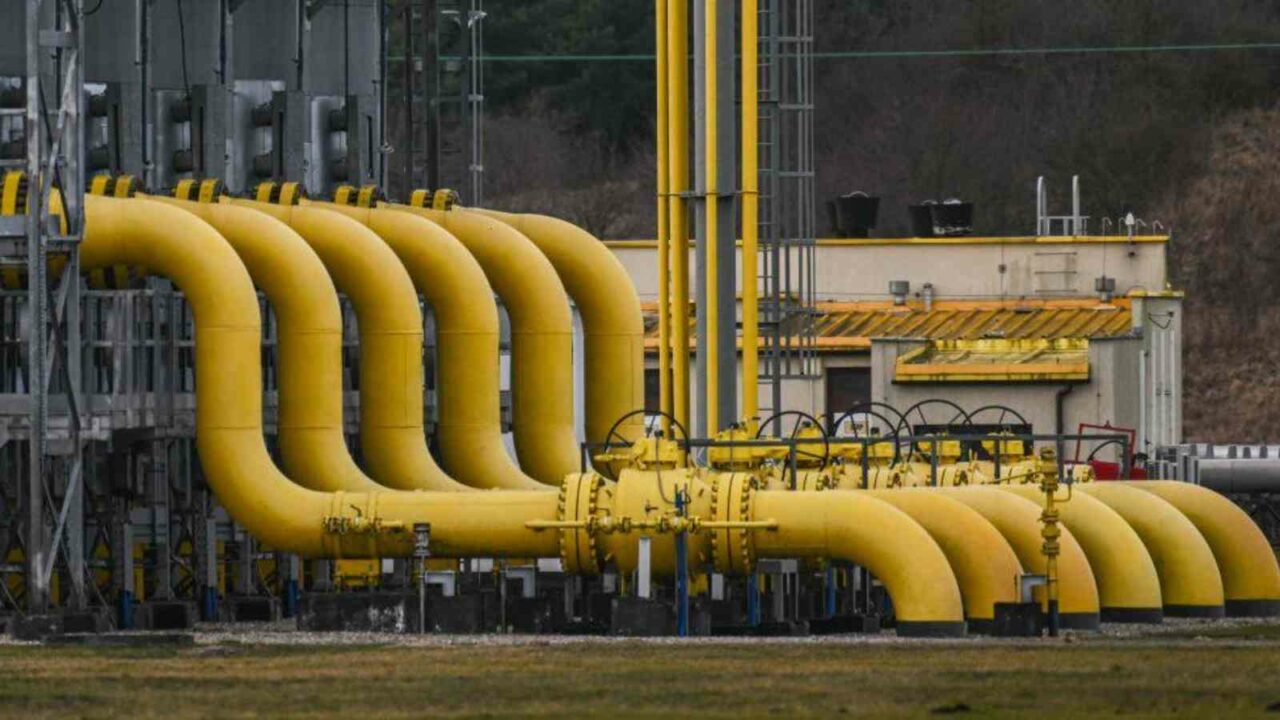
Mahanagar Gas Cuts Supply to Industrial and Commercial Customers: The energy situation in India has become unpredictable as Mahanagar Gas Limited (MGL) has reduced its gas supply to multiple industrial and commercial clients. The development comes amid growing concerns over a possible shortage of liquefied petroleum gas (LPG), a key cooking fuel used across households and businesses. The authorities have implemented this decision because they want to protect essential services and residential areas from potential fuel shortages.
Why Gas Supply Is Being Curtailed?
The primary trigger behind the supply adjustment is the disruption in global energy markets caused by escalating tensions in West Asia. The conflict has reportedly affected shipments of liquefied natural gas (LNG) passing through the Strait of Hormuz, one of the most crucial maritime routes for global fuel transportation. The domestic supply chain for India depends on LPG because the country imports most of its LPG requirements through this route.
“For LPG supply to other non-domestic sectors, a committee of three Executive Directors (EDs) of Oil Marketing Companies (OMCs) has been constituted to review the representations for LPG supply to restaurants, hotels and other industries,” the ministry said in a post on X.
The Indian government issued gas allocation guidelines during these events to ensure essential services receive their necessary gas supply. Under this framework, fuel supplies are first directed toward household cooking gas, piped natural gas (PNG) connections, and compressed natural gas (CNG) used in vehicles. Supply limitations during emergency situations will affect industrial and commercial sectors which occupy a lower position in the priority system.
Mahanagar Gas Cuts Supply to Industrial and Commercial Customers
Authorities have been quick to reassure citizens that domestic gas supply remains secure. The Mahanagar Gas company maintains continuous delivery of natural gas through its pipeline system to households while providing compressed natural gas to drivers who operate vehicles.
Restaurants and Businesses
The commercial sector has started to experience its first effects while residential units remain protected from direct damage. The restaurant industry together with hotels and small eateries which depend on commercial LPG cylinders now face supply shortages. Industry representatives predict that ongoing supply interruptions will force businesses to decrease their menu selections and shorten their operational hours and stop their kitchen operations.
Reports indicate that 20 percent of restaurant kitchens in some cities have run out of cooking gas which forces businesses to find new solutions while they face higher costs from purchasing fuel through the grey market.
Rupee Crashes Past 92 Mark: What $82 Crude Means for Inflation? Fuel Prices and Markets
Government Measures to Stabilize Supply
The Ministry of Petroleum and Natural Gas has established multiple measures to control the present circumstances by controlling both demand and supply fluctuation. The LPG production increase has been mandated for refineries to execute their maximum production capacity while the LPG refill booking system has extended bookings from 21 days to 25 days to eliminate panic booking and hoarding activities.
The government has activated its regulatory authority under Essential Commodities rules to manage fuel distribution through proper distribution to all users. The measures grant authorities the power to terminate active commercial agreements when necessary to secure essential resources for vital industries.
India’s LPG Dependency
India operates a yearly demand of more than 31 million tonnes of LPG which includes 87 percent usage by households and the rest used by commercial facilities like hotels and restaurants. The country depends on international supply chains to meet a large portion of its energy needs which creates a risk during global supply disruptions.
“In light of current geopolitical disruptions to fuel supply and constraints on LPG availability, the ministry has issued orders to oil refineries to increase LPG production and utilise the additional output for domestic consumption,” the ministry said in the post.
“The ministry has prioritised domestic LPG supply to households and introduced a 25-day inter-booking period to avoid hoarding and black marketing.”
Energy analysts explain that domestic energy systems experience instant effects from geopolitical conflicts and shipping delays and international fuel price changes. The current situation emphasizes the necessity to develop multiple energy sources while increasing local energy production capabilities which will decrease dependence on unpredictable global energy markets.
What Lies Ahead?
Officials assert that current household needs remain satisfied because supply changes only impact lower-demand sectors. The length of the crisis will depend on the development of international relations and the speed at which global fuel distribution systems return to normal operations.
Industries and commercial establishments must turn to alternative fuels which include furnace oil and diesel and LPG cylinders from various supply sources if disruptions continue. Policymakers track the evolving situation while they work to protect essential energy resources for public needs and maintain economic operations.