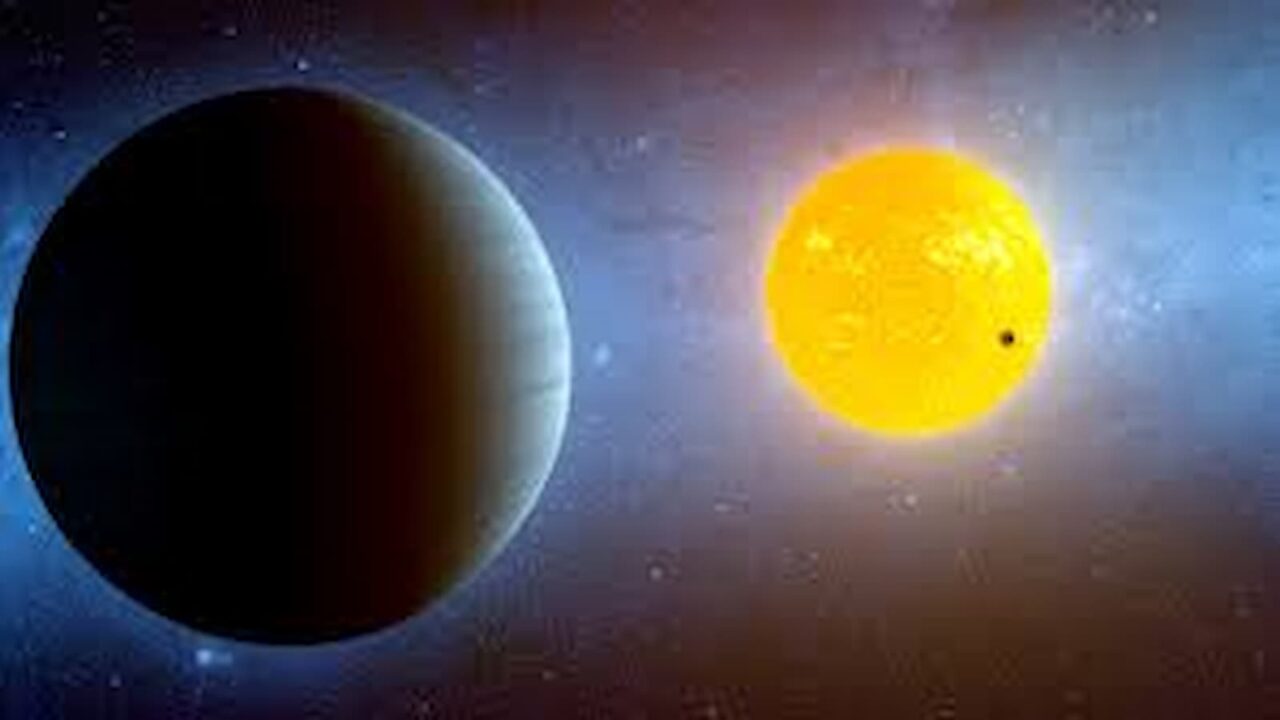
Six Planets Alignment in August: People all around the world are going to see something really special this August. Six planets will line up in the sky, and you can watch them either before the sun comes up or late at night. The line-up started on August 10 and will keep going for most of the month. This gives people many days to see it. The planets in this line are Mercury, Venus, Jupiter, Saturn, Uranus, and Neptune. Four of them Mercury, Venus, Jupiter, and Saturn you can see with just your eyes.
Coolie Holiday 2025: Tamil Nadu Company Declares August 14 Off for Rajinikanth’s Film
But for Uranus and Neptune, you will need strong binoculars or a telescope from home. Even though the planets started to line up from the 10th, experts say the best views will be in the week before August 23. This is because the moonlight will be very little, so the sky will be darker. Also, Mercury will be at the farthest point from the Sun then, so it will be easier to see.
Where and When to Look
If you are in the northern half of the world, you will see Neptune and Saturn first in the southwest part of the sky. Then Uranus will show up in the southeast. Venus and Jupiter will rise in the east, and Mercury will just peek over the horizon. If you live in the southern half of the world, you should look north to see Neptune and Saturn. Uranus will be a little to the east.
The brighter planets Venus, Jupiter, and Mercury will be in the northeast. The times will be a bit different depending on where you are. But mostly, Saturn and Neptune will come up between 8:30 pm and 10 pm.
Uranus will show near midnight. Venus and Jupiter will be in the sky between 2:30 am and 3:30 am. Mercury will rise last, around 4:30 am. This is what Wired reported.
Planet-by-Planet Highlights
- Saturn: Bright and easily visible, with its iconic rings and largest moon, Titan, visible through a telescope.
- Neptune: Faint and challenging to spot without high-powered optics, best viewed near the New Moon on August 23.
- Uranus: Recognisable as a pale blue disc under the Pleiades star cluster, also best viewed later in the month.
- Jupiter: Visible cloud bands, the Great Red Spot, and four Galilean moons are all sights worth catching.
- Venus: Displays phases similar to the Moon when viewed through binoculars or a telescope.
- Mercury: Best seen between August 18 and 23 during its greatest western elongation, when it lingers longer before sunrise.
How to See it Best
Astronomers say you should go somewhere far away from city lights because dark skies help you see more. Moonlight can make dimmer planets hard to spot, so it’s good to check when the moon is bright before you go. Carrying a flashlight with red light is useful so your eyes can stay adjusted to the dark. If you use a telescope, keep in mind the timing for special views.
For example, Jupiter’s Red Spot only shows when it crosses the planet’s middle line, and that time changes every day.
Skipping ITR in India: Legal Action, Penalties & How to Fix It in 2025
This six-planet line-up is not something you see often. The next time this will happen is in February 2026, so this month is a rare chance to enjoy it. For people in both north and south parts of the world, the most beautiful view will be between August 18 and 23. The night of August 23 will be extra special because it is a New Moon night, and all six planets will make a huge arch across the sky in a perfect order.