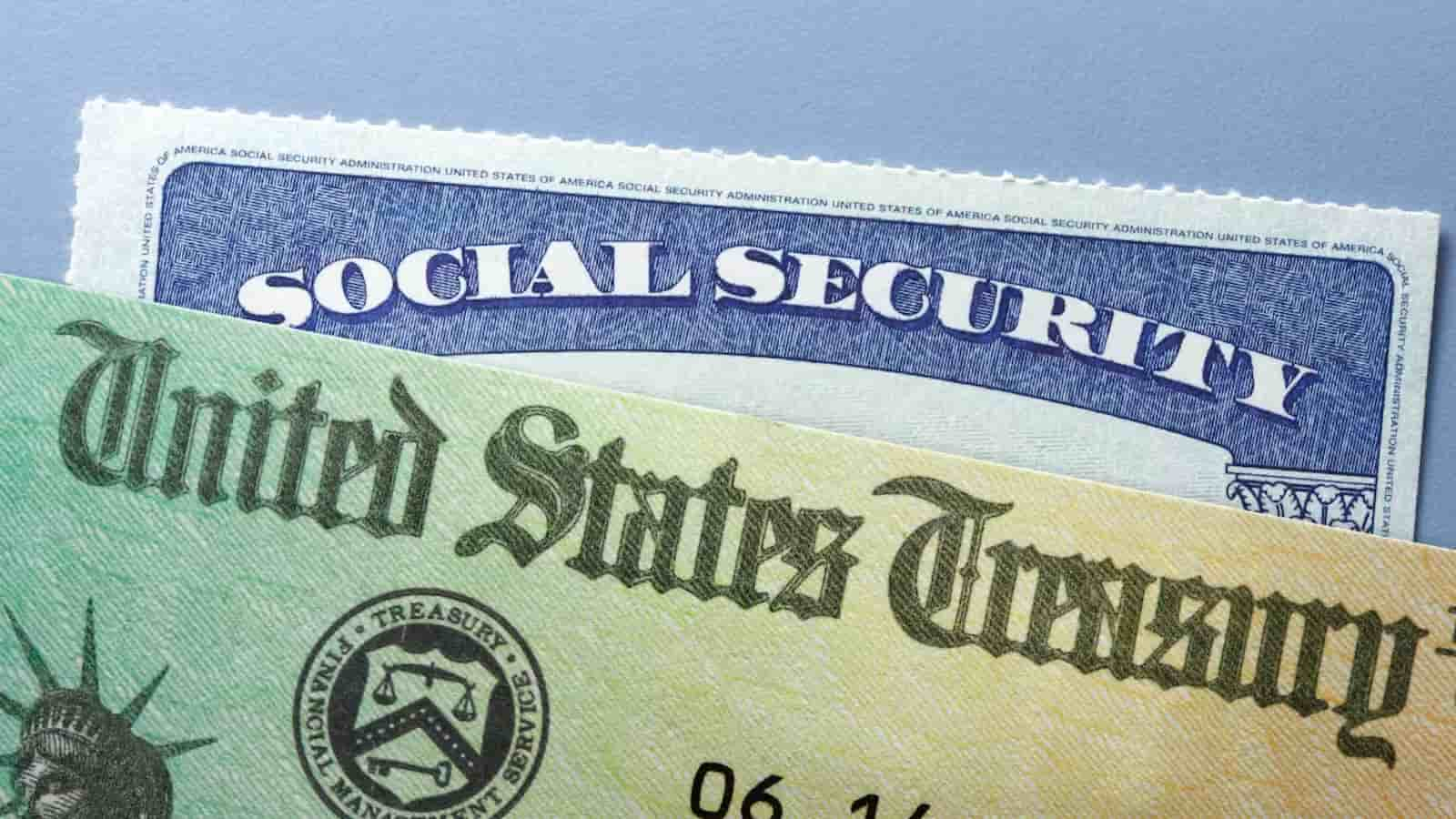
Social Security Fairness Act: A bipartisan bill that would impact Social Security benefits for employees who receive other non-covered pensions is anticipated to be attempted to be passed by House of Representatives lawmakers. Republican Representative Garrett Graves of Louisiana and Democratic Representative Abigail Spanberger of Virginia introduced the legislation, which is known as the Social Security Fairness Act.
The bill was tabled by two Republican Freedom Caucus leaders, former chair Rep. Bob Goode of Virginia and chairman Rep. Andy Harris of Maryland, despite having strong bipartisan support. Generally speaking, the hard-right faction in Congress is against new spending.
Donald Trump Social Security: What could be the possible changes?
What is the Social Security Fairness Act and who would it affect? cam it pass?
H.R. 82, the #SocialSecurityFairnessAct, is set for a House vote TOMORROW and needs a 2/3 majority to pass! This legislation would repeal the WEP & GPO, ensuring federal workers, including letter carriers, receive the full Social Security benefits they’ve earned. Urge your rep to… pic.twitter.com/mjze8ILMN0
— Letter Carriers (@NALC_National) November 11, 2024
The Social Security Fairness Act of 2023, also known as H.R. 82, aims to eliminate two provisions that currently reduce Social Security benefits for certain individuals: the Windfall Elimination Provision (WEP) and the Government Pension Offset (GPO).
WEP adjusts Social Security benefits for people with fewer than 30 years of substantial earnings from Social Security-covered employment, who also receive a non-covered pension. These non-covered pensions typically come from jobs where Social Security taxes are not withheld, such as in state and local government roles.
GPO affects spousal or widow(er) benefits, reducing them by two-thirds of the monthly non-covered pension. The GPO affects roughly 12.6% of the 5.84 million spousal or widow(er) beneficiaries, with about 70% seeing their entire benefit offset.
According to estimates from the Congressional Budget Office (CBO), eliminating these provisions would add approximately $196 billion to the federal deficit over the next decade and accelerate the depletion of the Social Security Trust Fund by about
How to get a copy of Social Security card? Here is a complete guide
Does the Social Security Fairness Act have a chance to pass?
To pass the Social Security Fairness Act of 2023 (H.R. 82) in the House, it now requires a supermajority, meaning it needs 290 out of 435 representatives to approve it, due to a procedural motion that tabled the bill. As of now, 300 representatives have signed on, including Speaker Mike Johnson, though this was before he took office.
The bill will then need to pass the Senate during the lame-duck session, where it will likely require 60 votes to pass, depending on opposition from the Freedom Caucus. If the bill clears the Senate, it will go to President Biden’s desk for signing. However, if it does not pass before the 118th Congress concludes, it will need to be reintroduced in the next Congress and go through the legislative process again.