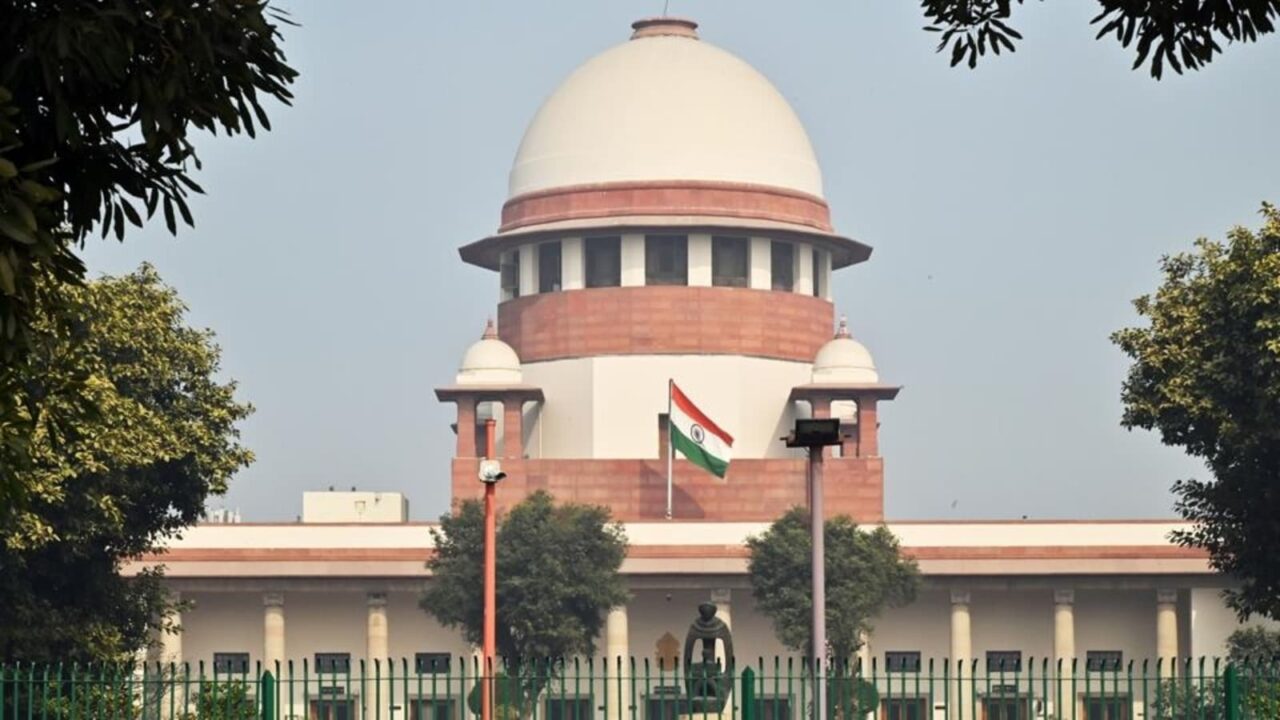
In a pivotal 7:2 decision, the Supreme Court declared that states lack constitutional authority to seize privately-owned resources en masse for distribution aimed at the ‘common good.’
Despite the broad ruling, states may still claim private properties under specific circumstances, according to a nine-judge bench led by Chief Justice DY Chandrachud.
This verdict reverses a precedent set by Justice Krishna Iyer allowing state acquisition of private resources under Article 39(b) of the Constitution.
Chief Justice Chandrachud and six other justices resolved a challenging legal question: can private properties be deemed ‘material resources of the community’ and appropriated by the state for the common good?
While adopting a less socialist approach, the decision has overturned past rulings supporting full state takeover for communal benefit.
Justice BV Nagarathna partially dissented from the majority opinion, while Justice Sudhanshu Dhulia opposed it entirely.
Historically, the Minerva Mills case also pronounced against certain provisions of the 42nd Amendment that prioritized Directive Principles over fundamental rights.
Article 31C allows state laws, under Articles 39(b) and (c), to take over community resources, including private properties, for common distribution.
Among the 16 petitions, the Property Owners’ Association contested the MHADA Act, which permits state acquisition of certain properties if 70% of occupants comply, tying it to the Directive Principles in Article 39(b).