

Iran After Khamenei: Iran, long ruled by a theocratic regime rooted in the 1979 Islamic Revolution, is at a crossroads. Supreme Leader Ayatollah Ali Khamenei, now 85, has ruled the country with near-absolute authority since 1989, shaping every major decision from nuclear policy to foreign affairs and internal repression. But growing discontent over economic woes, international isolation, and youth-led movements calling for freedom and reform have sparked speculations: what happens if the regime falls or undergoes a radical transformation? And more importantly, who could replace Khamenei in such a scenario?
The Background: A Regime Under Strain
The Islamic Republic is currently experiencing one of its most turbulent eras. Her death, following her arrest for wearing her hijab improperly, ignited months of protests and exposed a growing divide between Iran’s hardline leaders and its young, tech-savvy, increasingly secular populace. Coupled with oppressive U.S.-led sanctions, a frozen nuclear agreement, domestic corruption, and regional conflict, the pressure on Iran’s clerical leadership is extreme. If this current regime were to fall apart, be it through a shift within the party, a lack of clear leadership, or outside force, new leadership would need to be brought in to fill that vacuum.
Iran After Khamenei: Who could become the successor?
The Supreme Leader, Iran’s highest-ranking political and religious authority, wields ultimate control over the nation’s military, judiciary, state media, and major economic foundations. In the event of Khamenei’s death or removal, the Assembly of Expertsa council of clerics would select his successor. In the case of regime collapse or revolution, that path would be bypassed, throwing the contention wide to a much wider array of contenders both clerical and secular, reformist and radical.
Top Contenders If the Regime Remains

Mojtaba Khamenei
The most discussed successor is Khamenei’s own son, Mojtaba. A hardline cleric with extensive connections to the Islamic Revolutionary Guard Corps (IRGC), Mojtaba has stayed mostly out of the public spotlight, but is thought to play a major behind-the-scenes role. Meanwhile, critics are sounding alarms about a dynastic transfer of power—a horror that would contradict the very revolutionary spirit the Islamic Republic was founded upon.
Ebrahim Raisi
As head of the judiciary, Ebrahim Raisi climbed to his current position.
Until his recent fatality in an helicopter accident in May 2024, Chairman Raisi was the primary favorite. A loyalist to Khamenei and former judiciary chief, Raisi had long been viewed as being groomed for leadership. His unexpected death has brought about a substantial change to the succession landscape and produced a considerable void in the hardliner camp.
Ahmad Khatami and Alireza Arafi
Both are senior clerics with deep linkages to the Assembly of Experts and the Islamic Revolutionary Guard Corps (IRGC). Khatami, in particular, has been an especially hardline conservative tone, often calling for severe crackdowns against dissent. More academic and withdrawn, Arafi has been active in determining Iran’s theological curricula and has been viewed as a possible compromise candidate among clerics.
Hossein Salami
Hossein Salami, commander of Islamic Revolutionary Guards Corps.
As head of the IRGCIn many ways, General Salami epitomizes the militarized underbelly of Iran’s power structure. While currently technically ineligible under existing regulations (for being ineligible cleric), in an environment of absolute regime collapse or change a military counterpart like Salami might become a transition or key player, particularly if disorder takes hold.
Possible Secular or Reformist Alternatives in a Post-Regime Scenario
Reza Pahlavi
The exiled former crown prince and son of the late Shah, Reza Pahlavi is still a symbolic rallying point for many Iranians opposed to the Islamic regime. Though he has no political party or institutional base to speak of within Iran, his support for a secular, democratic government and his commitment to a culture of human rights struck a chord with diaspora Iranians and young people within Iran alike. In the event of a post-regime transition, he may be able to play the role of acceptable moderate compromise candidate/unifier figurehead constitutional monarch/leader of democratic opposition etc.
Ali Akbar Mousavi Khoeini
A former reformist MP and student leader, Khoeini has long advocated for democratic change and human rights among the Iranian people. Though exiled, his history as a moderate election-winning Shi’a figure and supporter of civil society places him as a potential leader in a transitional, or democratic, Iran.
Masih Alinejad
The Iranian-American journalist and women’s rights activist has captured the world’s imagination with her courageous defiance against Iran’s compulsory hijab laws and the regime’s tyranny. In a democratic or revolutionary context, such as Alinejad’s could become the iconic face of a larger, liberal or feminist movement within Iran.
The Real Reason Donald Trump is Boosting Cryptocurrencies
Iran After Khamenei: A Changing Future
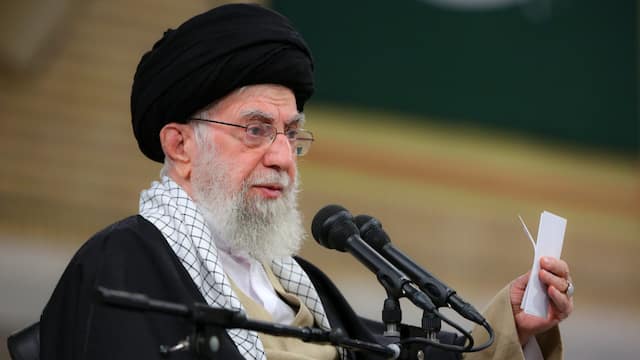
Iran’s future leadership still, understandably, extremely unclear. If the regime is able to outlast Khamenei, the most probable successor will be someone from the current system most likely Mojtaba Khamenei or another conservative cleric. Should the regime fall, the vacuum may allow a different set of characters whether exiled royals, military leaders or grassroots revolutionaries to dramatically change the country’s character and form of government.
Whoever does end up emerging, the post-Khamenei era will surely be one of the most momentous periods in modern Iranian history itself with ramifications boomeranging across the Middle East and the global geopolitical landscape.