

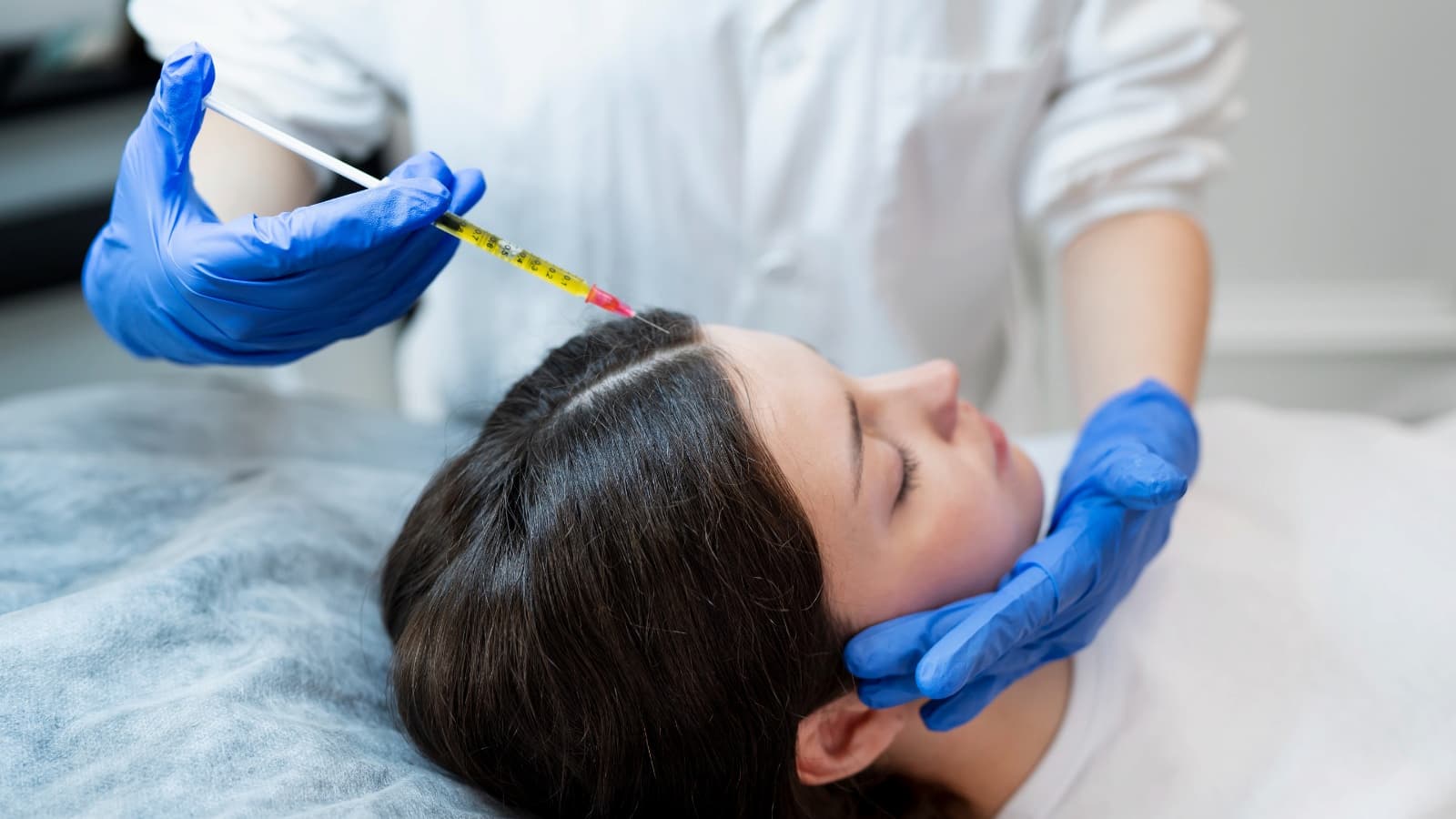
Hair Fall Treatment Not Working: Do you check your pillow, comb, or shower drain every day and worry that your hair fall is getting worse?
Hair fall can make a normal day feel stressful. You may change your shampoo, try hair oils, use serums, take supplements, or follow home remedies. Still, the hair keeps falling, and it becomes hard to know what is going wrong.
At this point, many people start looking for a hair treatment for hair fall, hoping it will fix the problem quickly. However, finding a solution is not always as simple as using a new product or following the latest trend.
That is why the right treatment should begin with the real cause. Let’s understand why your current routine may not be working and what you should check next.
Why Your Hair Fall Treatment is Not Giving the Results You Expected
Hair fall treatments do not always deliver the desired results when the underlying cause remains unidentified. Consistency, product selection, and overall hair care practices also play an important role in treatment outcomes. Even effective solutions may take time to show visible improvement, and unrealistic expectations can make progress seem slower than it actually is. Regular evaluation of your routine can help determine whether adjustments are needed to achieve better results.
Here are seven common reasons your hair fall treatment may not be delivering the expected results.
1. You Haven’t Identified the Real Reason Behind Hair Fall
Hair fall can happen for many reasons, and every reason needs a different care approach. Stress, dandruff, weak nutrition, hormonal changes, tight hairstyles, and family history can all affect shedding.
If the cause is unclear, the treatment may only work on the surface. A suitable hair treatment for hair fall should begin with understanding the trigger behind the concern.
2. Your Hair Care Routine is Not Consistent Enough
Hair care routines need time to show visible change. Many people stop too early or keep switching between products after seeing social media trends.
This can disturb progress and make it hard to track what is helping. A consistent hair treatment for hair fall routine can support scalp health and may help reduce shedding over time.
3. Your Scalp Health is Being Overlooked
Healthy hair starts with a healthy scalp. If the scalp is oily, flaky, itchy, or irritated, hair follicles may not function properly. Over time, buildup from sweat, pollution, and product residue can also clog the scalp and weaken roots.
Using overly harsh products or skipping regular scalp cleansing can further disturb this balance. A calm and well-maintained scalp creates a better environment for hair growth. Any hair treatment for hair fall works more effectively when scalp health is supported first through gentle and consistent care.
4. The Treatment Does Not Match Your Hair Fall Concern
Not every hair fall problem needs the same treatment. Seasonal shedding, pattern thinning, scalp-related fall, and hair breakage are different concerns.
Using the wrong approach can delay progress. The right hair treatment for hair fall should match your hair type, scalp condition, shedding pattern, and overall health needs.
5. Hidden Health Factors are Affecting Progress
Sometimes hair fall is linked to internal changes, not just external care. Poor sleep, stress, illness, low iron, thyroid concerns, or hormonal shifts can affect the hair cycle.
In such cases, products alone may not be enough. Expert consultation can help check if health or lifestyle factors are slowing your hair treatment for hair fall progress.
6. Your Styling Habits are Causing More Weakness
Hair fall and hair breakage are often confused. Hair fall comes from the root, while breakage happens when strands snap due to damage.
Frequent heat styling, tight hairstyles, coloring, rough brushing, and towel friction can weaken hair. Reducing these habits can support any hair treatment for a better hair fall routine.
7. You are Expecting Regrowth Too Early
Hair recovery does not happen in one step. Shedding may reduce first, scalp health may improve next, and visible regrowth may take more time.
Stopping too early can make a treatment seem ineffective. Healthier regrowth often needs consistency, proper scalp care, and the right cause-based approach.
Choose a Smarter Path to Healthier Hair
Hair fall care becomes more effective when it starts with understanding the real cause rather than following trends. Instead of focusing on popular products, it is more important to identify what your scalp needs and why hair thinning is occurring. This helps make the next step more practical, informed, and result-oriented.
In the beauty and wellness space, established clinic-based service providers such as VLCC offer consultation-led hair and scalp care. The focus is on personalized assessment and structured guidance. Care is based on individual needs and responsible practices.
If your routine is not working, a scalp review can help. It identifies hair fall causes. This reduces guesswork and supports healthier regrowth.