



5 Ayurvedic Herbs: Ayurveda isn’t just old it’s gold. With it’s amazing principles and disease management it tackles almost every health problem. It doesn’t suppress but finds put the root cause and destroy it to the core. Modern medicine has its place but what if some of the most powerful healing tools were already in your surroundings? Backed by centuries of tradition and now even science, these Ayurvedic herbs are outperforming modern drugs in ways that will blow your mind.
5 Ayurvedic Herbs That Work Better Than Modern Medicine
Ashwagandha
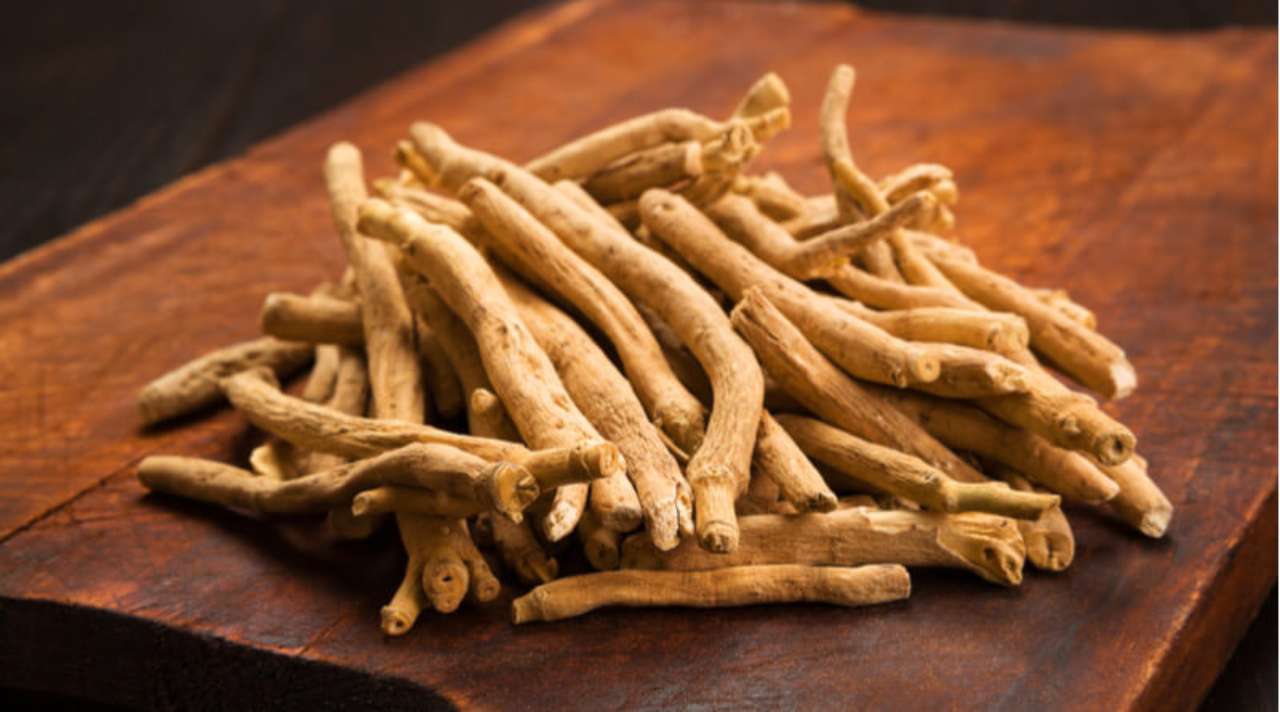
“Ashwagandha” is Sanskrit for “smell of the horse,” which refers toTrusted Source both the herb’s scent and its potential ability to increase strength.
Use of Ashwagandha on Covid warriors: BHU to study
Its botanical name is Withania somnifera, and it’s also known by several other names, including “winter cherry.”
Shloka from Bhavaprakasha Nighantu (Haritakyadi Varga):
“बल्यं रसायनं तिक्तं कषायानुरसं गुरु |
वीर्येणोष्णं हिमं वाते कफे श्लेष्मणि शामकं ||”
Ashwagandha is a rejuvenator, slightly bitter and astringent in taste, heavy in digestion, and acts as a nervine tonic. It balances Vata and Kapha doshas.
Research Analysis:
Ashwagandha control mediators of stress, including heat shock proteins (Hsp70), cortisol, and stress-activated c-Jun N-terminal protein kinase (JNK-1).
In a small study with 58 participants, those who took 250 or 600 mg of ashwagandha extract for 8 weeks had significantly reduced perceived stress and levels of the stress hormone cortisol compared with those who took a placebo.
One analysis of research included 12 studies in people who took ashwagandha doses between 120 mg and 1,250 mg per day. The results suggest the herb may enhance physical performance, including strength and oxygen use during exercise.
A review of four studies found that ashwagandha treatment significantly increased sperm concentration, semen volume, and sperm motility in males with low sperm count.
2. Haritaki
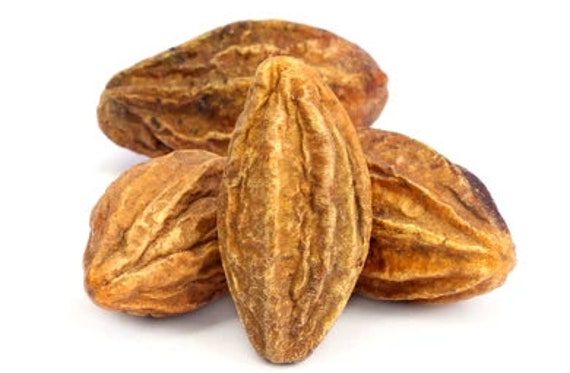
Haritaki is prized in Ayurveda for its versatile health applications. It balances all the elements, especially ether and air. The combination of ether and air is known as Vata dosha, which is said to cause 80 percent of all diseases in Ayurveda. According to ancient Hindu scriptures called the Vedas, a drop of nectar fell from the celestial cup of Lord Indra and sprouted the haritaki tree.
This dried fruit often termed as Chebulic myrobalan is prized as the “King Of Medicines”.
From Bhavaprakasha Nighantu (Haritakyadi Varga):
“वयःस्थापनी च हिता त्रिदोषघ्नी रसायनी |
हरितकी द्विरसया दीपनी चाग्निवर्धिनी ||”
Translation:
Haritaki sustains youthfulness, is beneficial for all three doshas, acts as a rejuvenator, enhances digestion, and improves appetite.
Research Analysis:
Older 2013 research supports haritaki’s application in hemorrhoids, but more studies are needed.
According to 2019 research, haritaki may help address a variety of skin ailments classified by Ayurveda.
A 2019 study noted that haritaki’s antimicrobial properties may be helpful in alleviating nailbed infection, though more high quality research is needed.
Haritaki is one part of the trifecta of the beneficial Ayurvedic blend, triphala, along with bibhitaki and amla, or Indian gooseberry.
3. Tulsi

Tulsi has deep roots in Ayurveda, dating back thousands of years in ancient texts such as Charaka Samhita and Sushruta Samhita. Of all the herbs used within Ayurveda, tulsi (Ocimum sanctum Linn) is preeminent, and scientific research is now confirming its beneficial effects.
Shloka from Nighantu Ratnakar:
“तुलसी कटुका तिक्ता हृद्योष्णा दाहपित्तनुत् |
कफवातज्वरश्वासकासहिच्छर्दिनाशिनी ||”
Translation:
Tulsi is pungent and bitter, cardiac tonic, and balances Kapha and Vata. It relieves fever, cough, asthma, and vomiting.
Modern Substitute: Over-the-counter cold/flu meds & antibiotics
Research Analysis:
The nutritional profile of basil is impressive, full of essential vitamins, minerals, and antioxidants. Its leaves contain phytochemicals like vitamins A and C, calcium, iron and zinc, eugenol, rosmarinic acid and osimumosides.
Research suggests that the antioxidant content of basil plays an important role in scavenging free radicals and reducing oxidative stress, which is implicated in various chronic diseases.
Additionally, a rich array of nutrients promotes overall health and vitality, boosts the immune system, improves respiratory function, and enhances cognitive function.
Top Ayurvedic Tips to Reduce Menstrual Pain: Explore Rajaswala Paricharya
4. Turmeric
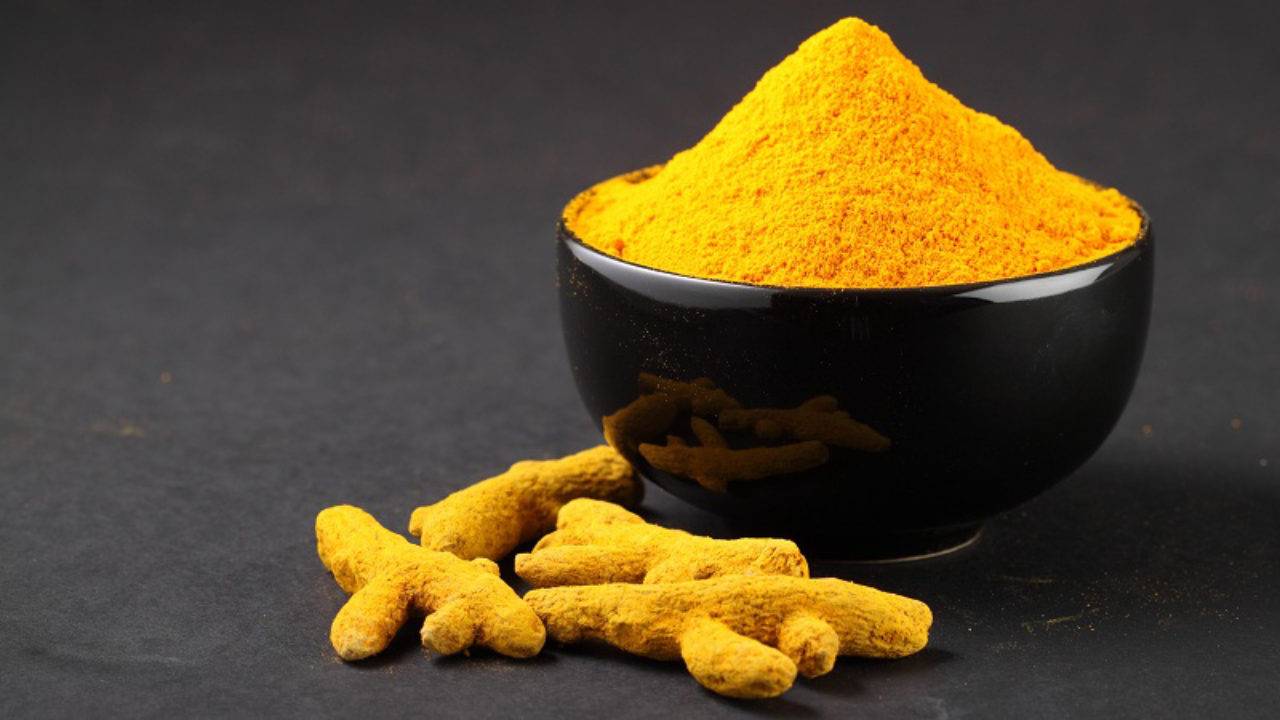
Turmeric, or Curcuma longa, is one of the most well-known, widely researched, and commonly used Ayurvedic spices in the world. This golden wonder is used in cooking, as a dietary supplement with numerous health benefits, and even topically for beauty treatments.
From Charaka Samhita (Chikitsa Sthana):
“कुष्ठानां रञ्जनी हिता शोणिते दीपनी कृमिघ्नी च |
हरिद्रा तिक्तकषायोष्णा वातकफहरोचिता ||”
Translation:
Turmeric is useful in skin diseases, purifies blood, stimulates digestion, and balances Vata and Kapha doshas.
Modern Substitute: Ibuprofen, NSAIDs
Research Analysis:
Considered a tonic for the skin and blood, turmeric helps to cleanse impurities and support a clear complexion.
Turmeric works to improve intestinal flora, strengthen digestion and metabolism, and aids in the breakdown of proteins In traditional Chinese medicine, it is used to treat diseases associated with abdominal pain (Aggarwal, Ichikawa, and Garodia 2004).
Research shows that taking turmeric extract reduces markers of liver injury in people who have a liver disease not caused by alcohol.
It also seems to help prevent the build-up of more fat in the liver in people with this condition.
Most available research shows that taking curcumin, a chemical found in turmeric, reduces depression symptoms in people already using an antidepressant.
5. Brahmi

Bacopa monnieri, also called brahmi, water hyssop, thyme-leaved gratiola, and herb of grace, is a staple plant in traditional Ayurvedic medicine. Bacopa monnieri has been used by Ayurvedic medical practitioners for centuries for a variety of purposes, including improving memory, reducing anxiety, and treating epilepsy
From Bhavaprakasha Nighantu (Pushpavarga):
“ब्राह्मी तिक्ता कषायोष्णा मधुरा लघु पित्तला |
मेध्या स्मृतिप्रदा श्लेष्मवातहरा विषापहा ||”
Translation:
Brahmi is bitter and astringent, light in digestion, enhances intellect and memory, pacifies Kapha and Vata, and acts as an antidote to poisons.
Research Analysis
Bacosides, the main active compounds in Bacopa monnieri, have been shown to neutralize free radicals and prevent fat molecules from reacting with free radicals.
For example, an older study showed that treating rats with dementia with Bacopa monnieri reduced free radical damage and reversed signs of memory impairment.
In test-tube studies, Bacopa monnieri appeared to suppress the release of pro-inflammatory cytokines, which are molecules that stimulate an inflammatory immune response.
Bacopa monnieri had anti-inflammatory effects comparable to those of diclofenac and indomethacin — two nonsteroidal anti-inflammatory drugs commonly used to treat inflammation.
Additionally, a 12-week study in 46 healthy adults observed that taking 300 mg of Bacopa monnieri daily significantly improved the speed of processing visual information, learning rate, and memory, compared with the placebo treatment.
These 5 herbs are time-tested wonders, rooted in classical Ayurvedic texts and now backed by modern research. Unlike many modern medications, they offer long-term healing without side effects.