


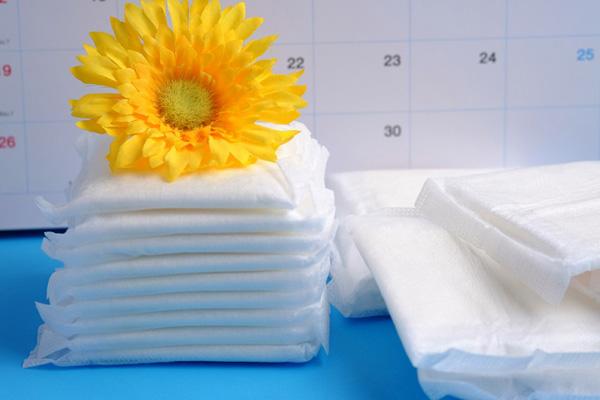
Top Ayurvedic Tips to Reduce Menstrual Pain: In Ayurveda the menstrual cycle is Rutuchakra. A single rutuchakra covers one period of 28 days and is divided into three phases. Rajas (menstrual flow) last for 3-5 days every month from around age 12 to menopause. In the ancient time of Ayurveda, menstruation was not merely seen as a biological process but as a vital indicator of a woman’s overall health and well-being.
Acharya Sushruta gave the concept of Rajaswala Paricharya, which means rules and regulations for menstrual cycle. It is a technique to protect and nourish the reproductive system of reproductive age group women and for those ladies who want to conceive or want to avoid any complications during pregnancy and also end happily in the menopause.
What causes period cramps as per Ayurveda?
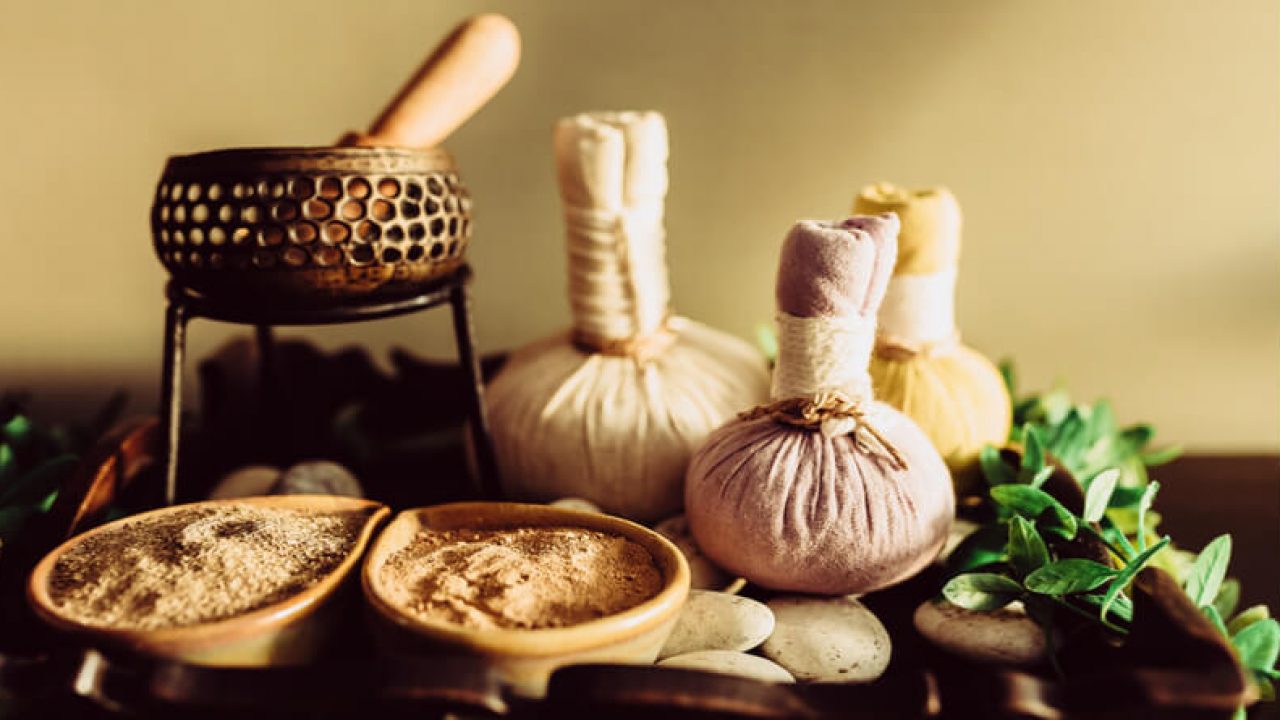
As per Ayurveda, Apana Vayu, a type of Vata dosha flows downwards to cleanse the uterine lining during the periods. So periods come under the group of Vata problems. An increased vatta element in the body can result in anxiety, fear, muscular pain, lack of focus, feeling cold, tiredness, and constipation. As per Ayurveda, the body replenishes itself during our sleep, and the natural cycles help relax and heal our body.
Sutika Charya: The Ultimate Guide for Ayurvedic Postpartum Care
Ayurvedic Menstrual Cycle
It is said to be dominated by the doshas of body accordingly:
- Rajakala, Bleeding Phase (Vata): 1-6 days
- Rutukala, Ovulation Phase (Kapha): 7-15 days
- Rutavateta kala, Luteal Phase (Pitta): 16-28 days
Bleeding Phase (Vata)
• Nourish and rest
• Do yoga and hot water baths
• Meditate rather than socialize
• Consume warm grounding foods
• Nurture Creativity
Ovulation Phase (Kapha)
• Stay active.
• Perform Pranayam and yoga
• Consume mildly spiced food
• Plan and schedule accordingly
• Socialize and explore
Luteal Phase (Pitta)
• Act on your manifestation
• Action your plan
• Consume bitter nutrients rich food
• Meditate
• Prepare for your next cycle
Dysmenorrhea is explained as a symptom and its Ayurvedic term is Kashtartava. Dull but throbbing pain occurs in lower abdominal region and radiates to the low back or thighs during menstrual period. This happens due to poor dietary habits & aggregation of Vata.
Top Ayurvedic Tips to Reduce Menstrual Pain

Some herbs can help to control period cycle by balancing the hormones. Here are a few natural formulas based on the principles of Ayurveda:
1. Sathapushpa
Sathapushpa balances your hormones, improves circulation, and soothes the nervous system, helping to calm stress and anxiety. This magical herb is packed with anti-inflammatory, analgesic, and antispasmodic properties, perfect for reducing menstrual discomfort.
2. Ashoka
Ashoka is famous for its Uterine tonic properties. It is especially good at controlling menstrual flow and decreasing excessive bleeding. The herb has phytoestrogens, which help to regulate female hormones and the proper functioning of the uterus.
3. Shatavari
Shatavari is regarded as a prime reproductive tonic in Ayurveda. It helps in balancing hormones and promoting the female reproductive system, thus being beneficial for many menstrual problems including prolonged periods.
4. Aloe Vera
Aloe vera juice is famous for its hormone-balancing qualities. Continuous drinking of aloe vera juice can help to control menstrual cycles and reduce long periods. It also possesses anti-inflammatory properties that help in calming menstrual pains.
5. Lodhra
Another powerful herb for menstrual disorders is Lodhra. It also helps in the regulation of the menstrual cycle and in the control of excessive bleeding.
6. Ginger
Ginger is another natural ingredient which contains anti-inflammatory properties. It helps to reduce prostaglandins, a hormone-like substance that causes muscle contractions leading to pain during menstruation.
7. Praval Pishti
This is a calcium-rich coral-based Ayurvedic preparation. It helps in balancing Pitta dosha and is used for excessive bleeding during menstruation.
8. Bolbaddha Ras
This is an Ayurvedic preparation widely prescribed in the management of bleeding disorders which includes excessive and prolonged menstrual bleeding.
Many herbs are suitable for self-care. You can use Top Ayurvedic Tips to Reduce Menstrual Pain for emergency. However if a health condition does not resolve with home remedies we recommend using the information along with your health advisors, especially herbal practitioners from the professional.
Top Ayurvedic Tips to Reduce Menstrual Pain: Lifestyle (Vihara)
1. Snehana
Generally, snehana or oleation is done with medicated oil or ghee. It may be administered orally (shatavari ghrit) or externally (sesame oil). Local massage with sesame oil and hot water bag fomentation or nadi sweda are helpful in painful condition.
2. Virechana: Medicated purgation
Purgatives or laxatives are useful here for, example gandharva haritaki.
3. Basti
As basti is the primary treatment of vitiated apan vata, it is of prime importance during painful episodes as well as to prevent dysmenorrhea. Enema with medicated oils is used to pacify Apana Vata.
4. Abhyanga
Regular practice of abhyanga oil massage, quickly calms the nervous system. Massaging with warm oil stimulates the dhatu layers to prevent toxins from accumulating and helps toxins drain to the gut for elimination.
Mistakes you should avoid during periods

1. Living on painkillers
They numb the pain, not the root cause. Regular use can weaken your gut and hormones over time.
2. Relying too much on hot water bottles
If you always need it, it’s a sign your body’s out of balance. Heat helps, but it’s not the long-term solution.
3. Using tampons or menstrual cups all day
They block the natural flow. Ayurveda prefers open, unrestricted cleansing pads
4. Using scented pads
They can irritate the skin and mess with your natural flora. Go for organic, fragrance-free options.
5. Eating cold, raw, or junk food
That iced latte? Not good for uterus. Ayurveda recommends warm, grounding meals to support flow.
Things to Avoid During Periods

1. Cold foods & drinks: Aggravates vata and causes cramps.
2. Raw & uncooked foods: Hard to digest, weakens agni (digestive fire).
3. Spicy, sour, or fermented items: Increases pitta and inflammation.
4. Heavy, oily, fried foods: Leads to bloating and toxin buildup (ama).
5. Caffeine & aerated drinks: Causes anxiety, bloating, and hormonal imbalance.
6. Intense exercise or yoga inversions: Disturbs apana vayu (downward flow).
7. Late nights & overstimulation: Disrupts body’s natural healing rhythm.
8. Stress & emotional overload: Affects hormonal balance and menstrual flow.
Ayurveda has gifted us with several remedies that can be incorporated into our lifestyle regimen to support menstrual health and get relief from period pain and cramps. Incorporate these tips into your life so that periods doesn’t hamper your daily life.