

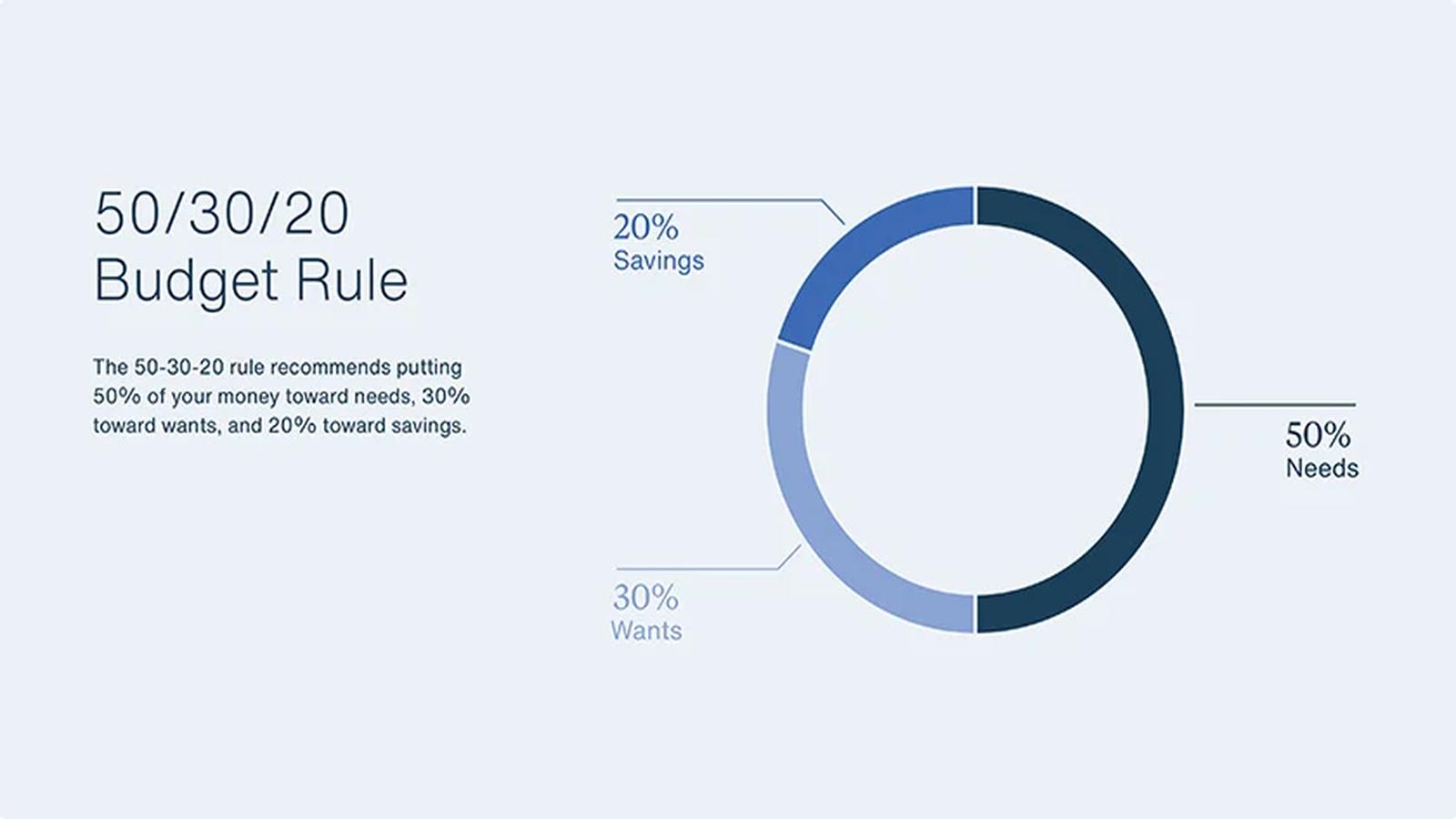
50/30/20 Budget Rule: Many Indians who earn below ₹50,000 monthly face increased difficulties with saving money because of rising living expenses and housing costs and their daily spending habits. The 50/30/20 budgeting method enables people to control their financial situation while developing consistent savings habits, according to financial experts.
50/30/20 Budget Rule
The 50/30/20 rule is a budgeting system that distributes your post-tax earnings into three spending categories.
The distribution of your income requires 50% to cover essential expenses, which you must pay, while 30% goes to your personal spending needs and 20% of your earnings must be reserved for saving and investment purposes.
People tend to spend money without any budgeting system according to financial data which shows that they end up with no savings at month-end. The rule provides an easy solution for managing money because it helps people maintain their budget between spending and saving while tracking expenses.
How It Works for a ₹50,000 Salary?
For someone earning ₹50,000 per month, the rule translates into:
- ₹25,000 for needs (rent, groceries, bills)
- ₹15,000 for wants (dining out, shopping, subscriptions)
- ₹10,000 for savings/investments
The structured allocation system establishes a requirement which mandates that 20% of total income needs to be allocated toward financial security.
The 50/30/20 rule provides its main benefit because it enables people to save money from their first paycheck instead of waiting until they reach their monthly income limit. The practice of saving 20% of their earnings from the start enables people to build an emergency fund while they work towards their future financial objectives.
Finance Bill 2026 Proposes New Change in Income-tax Act 2025 Rules
How To Implement?
1. Track your expenses: Monitor your spending for a few months to understand where your money goes. The expenses should be divided into three categories which include essential items and non-essential items and savings.
2. Know your income: The rule needs to be applied on your net income which is your earnings after tax deductions. This method enables precise budget planning because it prevents you from estimating your maximum financial limits.
3. Set Financial Goals: Having clear financial goals can motivate you to stick to your budget. Whether it’s buying a home, starting a business, or traveling, having a goal makes saving more purposeful.
4. Adjust as Needed: Life is unpredictable, and your budget should be flexible. Create a new budget every month. If you have an unexpected expense, adjust your budget accordingly and try to get back on track as soon as possible.
5. Stay Disciplined: Budgeting requires discipline. Avoid impulse purchases and stick to your budget. Remember, the goal is to achieve financial stability and freedom.
Important Tips
The experts at all income levels recommend gradual implementation of the rule for people who work with restricted funds.
- Track all their expenses to discover which costs they should eliminate from their budget.
- Eliminate their ongoing expenses which occur frequently through subscriptions and impulse purchases.
- Establish automated saving systems which will help them maintain their saving patterns.
- Develop their saving habits through starting with small amounts of savings which can include less than 20% of their income.
- Keep their essential expenses at 50% of their total budget.
People who earn low incomes have a chance to achieve major progress by implementing tracking systems and conducting minor modifications.
Does It Work in India?
While the 50/30/20 rule is effective, some experts argue it may need modification in India due to higher fixed costs like rent and family responsibilities. In such cases, individuals may tweak the ratios based on their situation.