

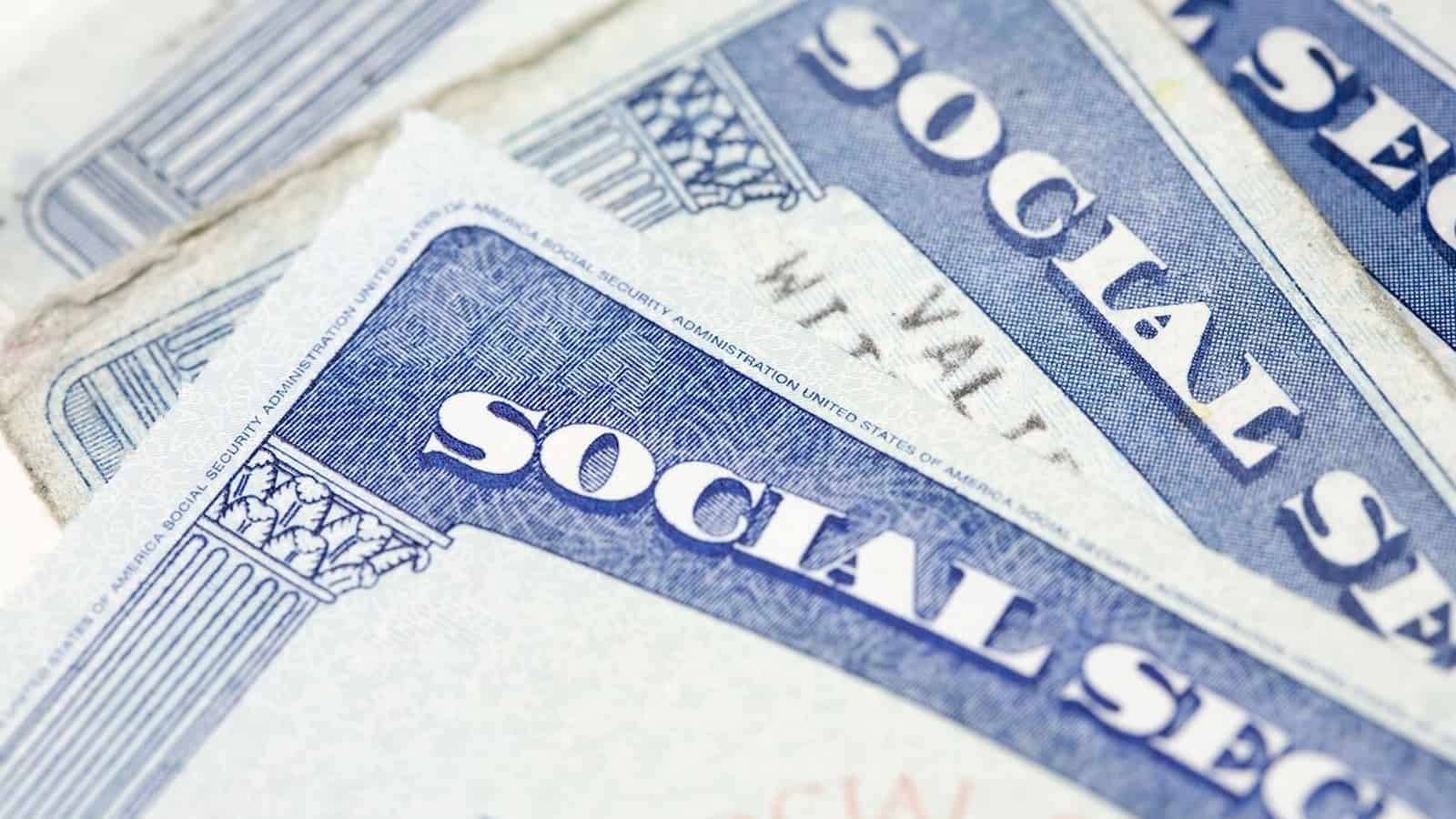
Full-Time Social Security Benefits: Americans can continue receiving Social Security benefits while working full-time, but certain conditions apply. The key factor in determining how much you can earn while retaining your benefits is whether you have reached Full Retirement Age (FRA).
If you have already reached FRA, you can earn any amount of money without it affecting your Social Security benefits. Once FRA is achieved, there is no limit on the amount you can earn while still collecting the full benefit amount. This is the ideal situation for many retirees looking to maintain their Social Security benefits and continue working without restrictions.
Does a Divorced Wife Receive Half of Your Social Security Benefits?
For those who have not yet reached FRA, there are limits on how much you can earn before your benefits are reduced. If you’re below FRA for the entire year, the earnings cap is set at $22,320 per year. If your earnings exceed this amount, the Social Security Administration (SSA) will reduce your benefits. The reduction rate is $1 for every $2 earned above the limit. For instance, if you earn $32,320 (which is $10,000 over the limit), your benefits would be reduced by $5,000 throughout the year.
Special Rule for Those Approaching FRA
If you are close to reaching FRA, there is a higher earnings limit for the months leading up to your FRA. The cap for earnings in the months before you hit FRA is $59,520. If your earnings surpass this threshold, your benefits will be reduced at a rate of $1 for every $2 you earn above the limit. However, once you reach your FRA, you can earn any amount without affecting your Social Security payments.
What is earning for Social Security?
The term earnings are important when calculating whether your income will impact your Social Security benefits. According to the SSA, “earnings” refer to wages from your job or your net income if you’re self-employed. However, other types of income, such as pensions, annuities, investment income, interest, veterans’ benefits, and other government or military retirement benefits, are not considered earnings and do not count towards the earnings cap.
Let’s say you’re under FRA for all of 2025 and you claim $800 per month in Social Security benefits. You are allowed to earn up to $22,320 without any reduction in benefits. If you earn more than this limit, your Social Security payments will be reduced accordingly.
Will You Continue Receiving Social Security Payments During a Government Shutdown?
For example, if you earn $32,320 (which is $10,000 above the earnings cap), your benefits would be reduced by $5,000 over the course of the year. However, if you reach FRA in August 2025, you will only experience the reduction for the first eight months, and after reaching FRA, you can earn an unlimited amount without any further deductions to your benefits.
While it’s possible to collect Social Security benefits and work full-time, it’s crucial to be aware of the earnings limits before reaching FRA. Once FRA is reached, the income cap is lifted, and individuals can enjoy both their benefits and full earnings. Until then, earning more than the prescribed limit will result in reductions to the Social Security payments, but the impact is manageable with proper planning.