

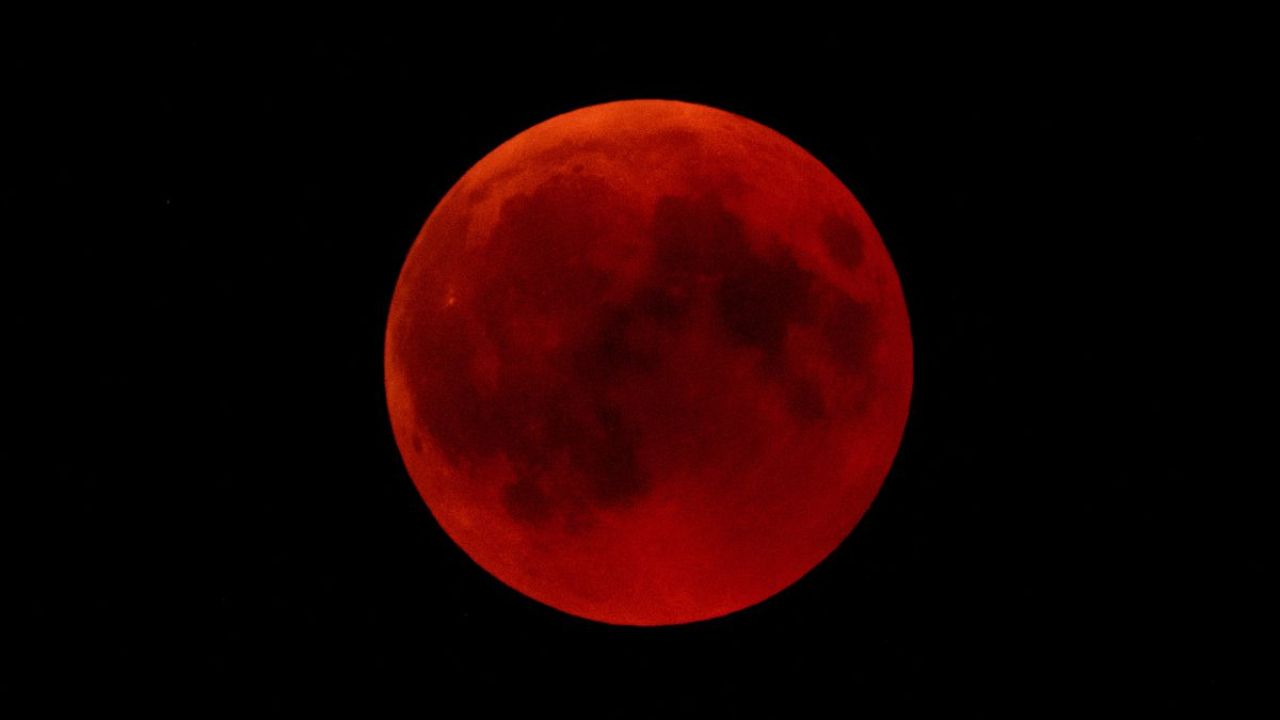
Ayurveda and Lunar Eclipse: Lunar eclipses or Chandra Grahanas are a pretty big deal in Ayurveda and, honestly, in a bunch of different cultures. People have been very cautious over this phenomenon for centuries. As Ayurveda is not only limited to only mental and physical health, but also spiritual health and uplifments. So, I’ll break down what the Ayurvedic texts say, what science has actually managed to prove, and include in some down-to-earth, actually useful tips for dealing if you feel a little off during an eclipse.
Ayurveda and Lunar Eclipse (Chandra Grahan)
In Ayurveda, the Moon characterizes manas (the mind), ojas (vital essence), and emotional balance. Both classical and current Ayurvedic sources regard an eclipse (grahana) as a moment of obstruction in the lunar energy and suggest the performance of meditation, keeping the diet light, and practicing purification rites during and after the event. This is mentioned in the commentaries of Ayurveda like:
- Charaka Samhita, Sharirsthana (Ch. 6, verse 28–29)
- Shusuta Samhita, Uttara-Tantra (Adhyaya 61, Graha Rogadhikara)
- Acharya Vagbhata mention grahana in Sutrasthana (ch. 2–3, Dinacharya/Ritucharya sections)
September’s Solar & Lunar Eclipses: What Ayurveda Says About Do’s and Don’ts for Pregnant Women
What Lunar Eclipse Do To Your Body?
1.Your energy levels might drop considerably
According to Ayurveda, the Moon is responsible for the mental and subtle energy aspects. A grahana is described by a lunar influence as feeling “unstable,” so people often report low motivation, tiredness, or restlessness. It is considered as an energetic, not necessarily a physiological, phenomenon. A number of contemporary Ayurvedic blogs and Vaidyas also provide rest as a good option and recommend the avoidance of very active programs during eclipses.
2. Digestion (Agni) weakens
According to traditional guidance, fasting or consumption of very light meals is suggested before or during an eclipse on the ground that agni (digestive fire) is perceived to be lowered; food prepared and consumed during the eclipse is believed to “spoil” faster. Many health-related and Ayurvedic educational institutions have become modernized, but they still fossilize this rule as a preventive ritual. Scientifically, there are no mechanisms for an eclipse to chemically spoil cooked food. However, the recommendation is primarily ritual and preventive.
3. Sensitivity to emotions and sudden mood changes
Since the Moon represents emotions in Ayurveda, eclipses are said to raise feelings like anxiety, irritability, crying, or sudden mood changes. Modern researchers suggest that the increase in attention, cultural expectations, and sleep disruption related to lunar events can affect the emotional state of people; this effect can be partially psychological (expectation/placebo) and partially physiological.
4. Sleep disturbances
Several people state that they suffer from insomnia around the time when the moon is influenced by lunar activities. The investigation to the general lunar cycle (whole moon vs. new moon) has yielded results: in some cases, people showed shorter or delayed sleep near the full moon whereas in others, sleep patterns did not seem to be related to the lunar cycle.
Notably, scientific studies concentrate on the lunar cycle and full moon rather than on short-lived phenomena such as lunar eclipses thus, the scientific evidence for sleep changes during eclipses is still quite minimal. Even so, if you commonly experience nocturnal alterations due to the full moon, sleep-supportive habits might be helpful if an eclipse happens at night.
5. Skin and aura
According to the old-fashioned perspective, performing bathing, doing abhyanga (body massage with oil), or carrying out aura-cleansing after the eclipse are activities that originate from the idea of the increased “porosity” of body and mind due to grahana.
These are not only ritual-hygiene and recuperation actions included to soothe the nervous system and renew the skin but also to calm the body and the mind, very feasible as calming self-care even if the claim (more porosity) is far from the scope of current biomedical proof. Today’s Ayurvedic practitioners agree with the practice of the rituals as practical aftercare.
What Modern Science Says About Lunar Eclipses?
Human sleep timing and duration may be synchronized descent with the lunar cycle, as supported by several peer-reviewed research findings, though there are contradictory results between different populations and various studies. It is a notable fact that one of the most favorable situations in which the lunar cycle synchronization of biology and sleep could happen would be that in which the moonlight is visible and melatonin rhythms can be involved.
Full moon vs eclipse: Most research is the most rigorous acutely targeting the full moon or lunar phases. These researchers point out that a lunar eclipse is simply one of the short-lived astronomical events when certain celestial bodies are in line, and it is different from the phase-dependent lighting changes studied in sleep research and therefore there are no solid scientific claims about the harmfulness of the eclipsation of the physiological sphere.
Psychology and expectation: Cultural beliefs surrounding and paying close attention to an event can generate some very noticeable subjective effects such as getting more emotions or worrying more about sleeping. Several contemporary articles and reporters emphasize that psychological expectation is one of the main factors that explain why many people claim to “feel” different during eclipses.
Ayurveda and Lunar Eclipse: Practical Ayurvedic Rituals
1. If fasting is safe for you (no diabetes, pregnancy, etc.), then fasting a light fast is in line with Ayurvedic practice and will not harm most healthy adults. Pregnant people and those with medical conditions should not fast without the consent of a doctor. Around the eclipse, you may either fast or eat light meals.
2. Choose rest and inward practices that suit you. Meditation, gentle pranayama, mantra, or silent reflection are not only Ayurvedic prescriptions but also stress-reducing according to the modern standards.
3. Bedtime hygiene is one of the points which should not be neglected. Do not go to bed immediately after watching a bright screen, use calming routines and if you are a lunar sensitive person, then sleep hygiene (cool, dark bedroom, wind-down rituals) should be doubled. Both modern sleep advice and Ayurvedic emphasis on routine are followed by this.
4. Abhyanga (self-oil massage) and a warm bath are the two things that can be done after the eclipse, which are the main reasons to offer the nervous system a break and help skin health; a low-risk, high-comfort practice consistent with the Ayurvedic tradition.
5. Do not either Panic or throw away food unnecessarily! While some traditions suggest that food exposed during an eclipse should be discarded, there is no scientific evidence to support that cooked food becomes toxic during an eclipse. Common-sense food safety (storing and reheating properly) is enough.
Ayurveda and Lunar Eclipse: Ayurvedic Self-care Routine
Before the Eclipse (Preparation)
1. Light Meals or Gentle Fasting
- About 2–3 hours before the eclipse, consume a simple, sattvic (light, plant-based) meal.
- Steam vegetables, fruits, khichdi, or drink soups.
- If your health is good, you can support agni (digestive fire) with a water or herbal tea fast.
2. Settle Your Mind
- Practice a few minutes of pranayama (like Anulom Vilom or alternate nostril breathing).
- Emotions before the eclipse energy can be made firm through journaling or chanting mantras.
During the Eclipse (Preservation)
3. Rest & Go Inward
- Do not involve yourself in heavy activities, travels, or making big decisions.
- Why not meditate, reading quietly, or sitting in stillness?
- Ayurveda, a sensitive time for mind and body, encourages energy conservation in such cases.
4. Avoid Eating and Drinking
- Eclipse food/water intake is stopped in a traditional way as agni is weak.
- On the condition of a sip, make it warm water or a light herbal tea (ginger, tulsi, or mulethi).
After the Eclipse (Renewal)
5. Cleanse with Bathing Rituals
- Immediately after, you can go for a nice bath or snan.
- A few neem leaves or a little turmeric in the water (purifying for the skin and aura).
- Moreover, if you are able, do abhyanga (oil massage) with sesame or coconut oil before your shower.
6. Gentle, Nourishing Food
- Make your fast an easy-to-digest meal: warm khichdi, moong dal soup, or herbal teas.
- Heavy, oily, or junk foods should not be consumed at that time.
7. Emotional Grounding
- Gratitude journaling or meditation for several minutes is a good activity.
- Being in nature and spending time under the stars (after the eclipse) is also good.
- According to Ayurveda, these activities stabilize the manas (mind) and bring peace.
Bonus Tip: If you’re spiritually inclined, many traditions recommend mantra chanting, prayer, or meditation during and after the eclipse considered especially potent in this period.
The holistic system of Ayurveda furnishes us with an energetic framework and practical rituals (such as fasting, rest, cleansing) that often correspond with contemporary stress reduction and sleep-supportive behavior. Although the scientific community has determined that the lunar cycle can affect sleep and perhaps hormonal rhythms in a few people, the research is not conclusive and does not state that a lunar eclipse causes lasting physiological damage. Follow the above mentioned things considering your health as well as your faith. You don’t have to skip your meals if your body doesn’t support that. Embrace Ayurveda mindfully to gain it’s maximum benefits.