


Ayurveda For Men Health: In the hustle of modern life, most men get exhausted through work, workouts, and worries, burning out before they even realize it. This give rise to less discussed problems in men like hair thinning, breakouts, stress, mood swings, muscle pain, disturbed sexual health and the endless list goes on. Most men face these challenges silently, brushing them off as “normal” or “just stress.” But what if the secret to more energy, stronger immunity, better performance (yes, that too), and even a calmer mind was already inside you?
Ayurveda For Men Health
Let’s explore the deep sea of Ayurvedic knowledge that targets real problems men are facing nowadays:
1. Hair Thinning/ Loss
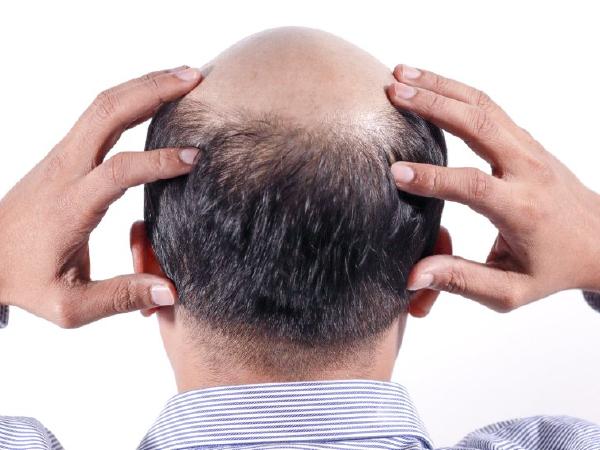
Unbalanced diet and excess intake of junk food is the most common reason for hair fall. Stress, anxiety and disturbed sleep also leads to hair fall. As per Ayurveda, all the above habits lead to Pitta dosha. That’s why, hair loss is caused because of Pitta Dosha. If your Pitta got disturbed, it leads to overheat the hair follicles which results into weak and brittle hair and slow hair growth.
As per the Ayurveda, texture of hair depends on Prakriti (balance/ imbalances in your constitution)
● If there is a prominent Vata Dosha has excessively dry, frizzy and brittle hair.
● An imbalance in Pitta Dosha, leads to hairlines and a thinning texture in your hair. There is color change due to heat in the scalp.
● If Kapha dosha is prominent, then there is an excessively oily and sticky hair which can lead to blocks in the follicles of your scalp. This leads to hair fall.
Ayurvedic Management: Ayurveda For Men Health
Shirodhara: ‘Shiro’ means head and ‘dhara’ refer to flow. In this warm oils are poured on the head which helps in increasing circulation of blood. This is considered as one of the most effective Ayurveda therapy for hair loss.
Shiro Abhyanga: Shiroabhyanga helps to nourish the roots and scalp. It prevents greying hair and nourishes the sense organs. There are particular oils which helps hair follicles and nourishes nerve ends. For example: sesame oil, coconut oil, Bhringraj oil, Bhringamalakadi oil.
Shiro Lepa: This is a paste applied on the entire scalp of head. It helps to remove dandruff, controls frizz, repairs split ends and also helps to reduce hair fall.
Nasya: Nasya also plays an important role in hair loss. Oil to be instilled through the nose. In this we basically use Desi Ghee and Anu Tailam for Nasya karma.
2. Acne and Breakouts

This problem happens with a bad lifestyle when we eat that doesn’t come directly from mother nature such as namkeen, biscuits, tea, coffee, and packaged food.
So it’s challenging for our bodies to digest and eliminate this food, because this waste food travels through our blood and reaches our skin, we call it pimples or acne.
According to Ayurveda, acne, known as the Mukhadushika/ Yowanpindika, is a chronic inflammation, particularly on the face and back of the body. These conditions also occur when imbalances in the body doshas, particularly Pitta and Kapha, will increase the problem of acne/pimples.
Ayurvedic Management: Ayurveda For Men Health
Herbal Recommendation: Take Neem kwath (infused water) or even leaves water in the morning. Use Triphala at night to detox your digestive tract.
Dietary Guidlines: Avoid spicy, fried food during flare-ups aggravates pitta. Include cooling foods like cucumber, coconut water, and bitter vegetables to pacify Pitta.
Panchakarma therapies:Virechana (therapeutic purgation) are often recommended to detoxify the body from within. Along with stress management, proper hydration, and good sleep, these Ayurvedic measures work holistically to prevent and heal acne naturally.
5 Ayurvedic Herbs That Work Better Than Modern Medicine
3. Mood Swings & Irritability
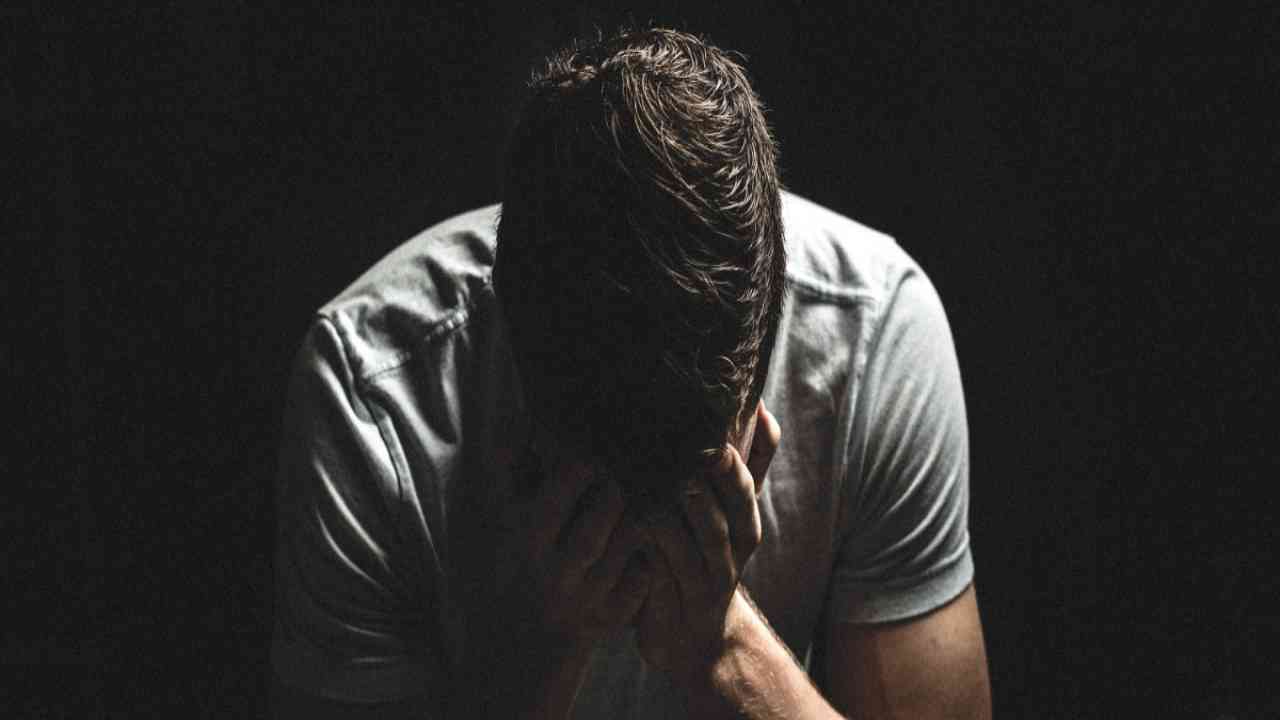
Yes, men have hormonal imbalances too. Excessive heat (physical or emotional) disturbs pitta, leading to mood swings, anger, and frustration. Improper nutrition and other lifestyle factors create imbalances in the doshas, which manifest mentally and physically.
Ayurvedic Management: Ayurveda For Men Health
Focus on Gut Health: Both our gut and our brain play a key role in regulating our overall well-being, including our emotions. When the digestive organs are inflamed, irritated, dry, or imbalanced, our emotions can go haywire. As a result, depression may occur.
Practice Pranayama and Meditation: Practice Shitali pranayama (cooling breathwork) To calm your mind, relax your body, and relieve stress and anxiety immediately. When we retrain our tired nervous system from fight-flight-freeze mode to rest-restore-relax through diaphragmatic breathing and relaxation practices, we take an important step in healing.
Dietary Guidlines: We become what we consume, which is why ancient Ayurvedic texts say, “Take your food as medicine.” When you use food as medicine, you eat food best suited for you that is free from harmful additives, and natural in form (meaning whole, local, and preferably organic). Herbs like Ashwagandha and Brahmi provides great calmness with regular intake.
4. Chronic Muscle Pain
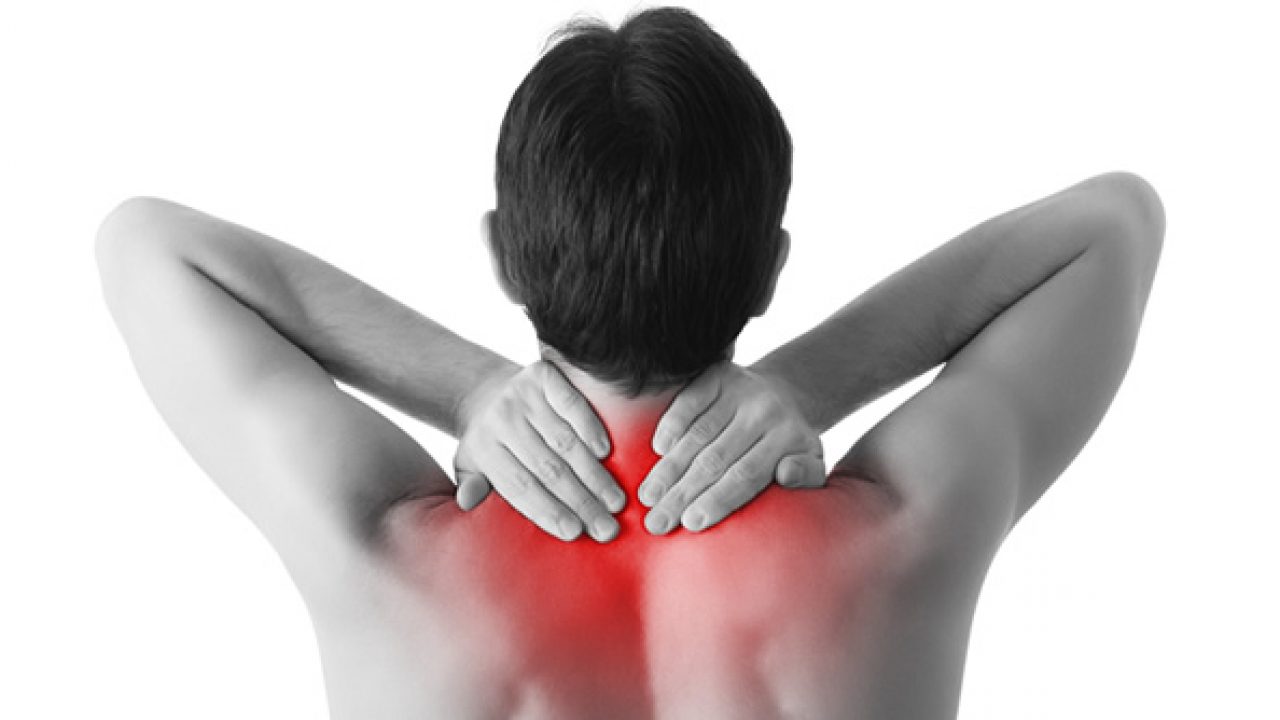
In Ayurveda, muscle pain is primarily attributed to an imbalance in Vata Dosha. When Vata becomes aggravated, it disrupts the normal flow of energy, leading to stiffness, spasms, and pain.
Ama (toxic buildup resulting from improper digestion) and imbalances in Kapha and Pitta Doshas may also contribute to the condition. Ayurvedic philosophy emphasizes addressing the root causes of pain to restore harmony in the body.
Ayurvedic Management
Abhyanga: Abhyanga is a traditional Ayurvedic oil massage that uses medicated herbal oils. It improve blood circulation, reduce muscle stiffness, and nourish the tissues, thereby easing muscle pain.
Swedan: Swedan or sudation therapy involves inducing sweat through steam or heat. It helps to relax the muscles, eliminate toxins, and relieve pain and inflammation.
Basti: Basti, a therapeutic enema using herbal oils or decoctions, primarily balances the Vata dosha. Especially Kati Basti plays a significant role in muscle pain relief.
Agni Karma: Agni Karma involves the application of controlled heat to specific pain points. It offers immediate relief by enhancing blood flow and reducing inflammation.
Viddha Karma: Similar to acupuncture, use of needle puncture at particular points to release muscle knots, stimulate nerves, and provide quick and effective pain relief.
5. Disturbed Sexual Health

Male sexual dysfunction includes all sorts of disturbances of coital performance and sexual congress in males. According to many recent studies, male sexual dysfunction affects 10-25% of middle-aged and above. Common male sexual dysfunctions include erectile dysfunction, premature ejaculation low libido, delayed/inhibited ejaculation, low sperm count, infertility etc.
According to Ayurveda, the prime regulator of male sexual function is “Vata dosha” (the air factors). Along with the synergistic action of pitta (fire factors) and Kapha doshas (water factors), it maintains the proper sexual function. Any factor which disturbs this equilibrium will cause dysfunction.
Ayurvedic Management
Shamana Chikitsa: In Shamana Chikitsa, certain foods are recommended for their shukrala and vrishya properties, that is improving the sperm count and motility, while lifestyle modifications like Abhyanga, Vyayama, Snana, Nidra, and Suvichara are recommended.
Shodhana Chikitsa: Shodhana Chikitsa involves purification procedures commonly known as Panchakarma are employed for the treatment of shukra doshas, klaibya, and oligospermia.
Dietary and Lifestyle Modifications: Ayurveda recommends consuming nutrient-rich foods, Kapha-promoting, snigdha, and sheeth dominant diet similar to the property of Shukra . Specific yoga asanas, such as Bhujangasana (Cobra Pose), Dhanurasana (Bow Pose), and Vajrasana (Diamond Pose), help in improving blood flow to the reproductive organs and balancing the hormonal system. Regular exercise, stress management techniques like yoga and meditation, and adequate sleep are essential for overall reproductive health.
6. Unexplained Stress & Burnout

Stress and burnout affects many men, often silently. Symptoms like increased irritability, withdrawal from social activities, and changes in sleep patterns are noticed. These symptoms can convert to more severe issues, including alcohol abuse or hypertension if left unaddressed.
Ayurvedic Aspect: Ayurveda For Men Health
In Ayurvedic texts, mental imbalance are said to manifest various physical ailments too. Stress (Chinta) is often related to Vata imbalance. Burnout (Klama) is considered as a result of Ojas depletion and Agni impairment in the body.
As a man, you face unique challenges in the workplace, relationships, and lifestyle choices that can impact mental health. Recognizing early warning signs and understanding how gender influences behavior allows to work effectively with a mental health professional.
You don’t need to “man up” through the pain or pop another quick-fix supplement.
Try going inward with Ayurveda as it doesn’t mask symptoms, it restores your balance.