


Ayurveda on Syrups: Nowadays, we chug down syrups as if we are drinking cold drink even when we suspect mild symptoms. Without any prescription or advice we take syrups without thinking about the adverse effect it leaves in our body. There’s no doubt that these syrups are accessible, palatable, and also somehow cheap.
Moreover, many times it also calms down the symptoms. In a world where we can’t afford to fall sick, we take syrups and over the counter pills just to avoid taking leave. But do you even know what syrups are made of and how badly they can impact your health? With this article, we shall be bursting the bubble of why syrups have overshadowed the medical world.
What are Syrups made of?
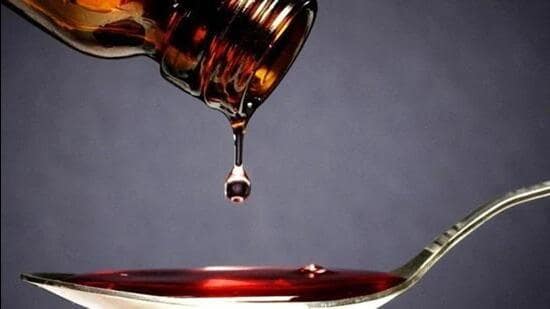
If you are not aware, sugar is one of the natural preservatives to increase the shelf life of any medicine or eatables. Syrups no matter for cough, acidity or any condition they contain around 50% of sugar. This sugar might be present in the form of fructose which is hard to digest. The fructose from high fructose corn syrup or table sugar needs to be converted into glucose, glycogen (stored carbs), or fat by the liver before it can be used as fuel. It also contains ethylene glycol and diethylene glycol are toxic alcohols with a slightly sweet taste. They are widely used in windscreen wiper fluids and engine coolants.
These compounds are sometimes also found at very low levels as contaminants in many food ingredients and medical solvents (including propylene glycol, polyethylene glycol, sorbitol and glycerin/glycerol). This happens when there are poor standards of manufacturing and testing.
For instance, a 200ml syrup bottle possibly contains only 100 ml of the real medicine or ingredients used. The remaining bottle is filled with sugar syrup, preservatives and taste enhancers. It is done to make it easier for patient to take it and also to increase it’s shelf life. Moreover, syrups contains preservatives, taste enhancers, and artificial colour. These things are nearly indigestible and our livers pays the price.
What damage does syrups do to our body?

There are many adverse effect of taking mindless dose of syrups daily. Some of them are discussed below:
- Adds an unnatural amount of fructose to your diet.
- Increases your risk of obesity and weight gain.
- Contains no essential nutrients.
- Excessive intake is linked to diabetes.
- Indigestible compounds effect liver adversely.
Ayurveda on Syrups
There is no clear mention of syrups in Ayurvedic scriptures. Syrups were never used as a form of medicine for any kind of treatment. There is mention of “sharbats” but not for medicinal purposes but for dietary guidlines. Now, the science which had almost all the treatments, all the form of medicines and procedures doesn’t talk about syrup in any form. Why is that so? It’s not that they weren’t developed enough or didn’t know how to make syrups.
The Acharyas who could covert metal into Bhasma (nanomedicine) and use it for chronic conditions was advanced enough to talk about syrups as well. But didn’t choose to prescribe the use of syrups because they were already aware of their ill effect on body. When I say, Ayurveda has answers to all the health issues and discusses all kinds of medicine. I’m not just blabbering but stating clear facts. The Ayurvedic medical science was so developed and asvance even before 5000 years ago humbles the modern world real quick.
Ayurvedic Bhasma and Nanotechnology: The changing fate of medical care
Why does Ayurveda say no to syrups?
Prakriti and Agni Consideration
Syrups are usually loaded with sugar, which weakens Agni, especially in individuals with Kapha or Vata prakriti. Excess sugar creates Ama (toxins) in the gut, leading to Mandagni (low digestive fire) and metabolic hindrance.
Considered as Viruddha (incompatible)
Classical Ayurvedic formulations emphasize minimally processed, naturally synergistic ingredients. Syrups often contain refined sugar, artificial flavoring, preservatives, and colorants. These are considered Viruddha (incompatible) and Apachya (difficult to digest) in Ayurvedic terms.
Dosha Imbalance
Kapha Aggravation: Syrups are sweet, heavy, and viscous in nature. These all qualities that increase Kapha dosha leading to Kaphaj Vyadhi (disease). Excess Kapha produces Ama which results in srotorodha (channel blockage) and ultimately chronic diseases.
Pitta Disturbance: Syrups with chemical preservatives and flavoring agents can irritate Pitta dosha, leading to skin issues, ulceration, and pitta-rakta vitiation.
Low Immunity
Sugar suppresses WBC function which leads to falling sick regularly. The Ojas gets weakened due to Mandagni and Ama as well.
It also leads to hyperactivity in kids due to Vata aggravation with Rajasic influence to brain. In simple words, it leads to sugar rush and crash in brain tissues. It can also cause digestive issues like bloating, indigestion because syrups are hard to digest.
How Kwath (Decoction) can replace Syrups?
In modern pharmaceutical practice, syrups are commonly used to deliver medication in a sweet, palatable liquid form, especially for children or those who have difficulty swallowing tablets. Even when a Ayurvedic Practitioner prescribes Kwath, patient ask for easy to consume syrups option. This is because they don’t want to hassle around and prepare kwath daily for themselves. But if not you then who would care for your body? So Ayurveda comes up with an alternative for harmful syrups which is called Kwath.
Kwath (Kashayam), a water-based herbal decoction, which is a potent, natural, and dosha-specific preparation. Kwath is made by boiling herbs in water to extract their active compounds, resulting in a concentrated and highly absorbable liquid that stimulates Agni (digestive fire), detoxifies the body, and restores doshic balance. It has properties like Deepan (appetizer) Pachan (digestive) Agni vardhak (boosts metabolism) Ama nashak (removes toxins).
Kwath preparations offer an ideal replacement for modern syrups in various clinical conditions.
1. For instance, in respiratory infections like cough and cold, modern syrups use sugar-laden expectorants. An Ayurvedic Kwath made from herbs like Tulsi, Vasa, Pippali, and Yashtimadhu is far more effective. These herbs help liquefy and expel phlegm, reduce inflammation, and enhance immunity without increasing Kapha or producing mucus.
2. Similarly, in digestive disorders like bloating, indigestion, and acidity, where synthetic antacids and enzyme syrups are commonly used, a decoction made from Haritaki, Jeera, Ajwain, and Shunthi works to improve digestion, stimulate appetite, and clear Ama, aligning with the Ayurvedic goal of strengthening Agni.
3. For liver disorders, modern syrups typically use herbal extracts mixed with sugar, which contradicts the need to pacify Pitta and detoxify the liver. A better alternative is a Kwath made from Kalmegh, Kutki, Punarnava, and Bhumyamalaki, which effectively purify the liver, enhance bile secretion, and reduce hepatic inflammation.
4. Even in pediatric care, where syrup-based multivitamins are widely used, Ayurveda recommends Amalaki Kwath or Chyawanprash (a semi-solid preparation) to strengthen Ojas (vital immunity), provide natural antioxidants, and promote healthy growth without synthetic additives.
It’s important to remember that the above discussed formulations are merely examples. Before trying any of these, please consult an certified Ayurvedic Practitioner. The same formulation may not work for everyone as Ayurveda believes each human is unique with its doshic constitution.
Kwath can surely replace modern day syrups because it works on the foundational Ayurvedic principle of Shodhana (cleansing) and Shamana (pacification) by directly targeting the root cause of imbalance, not just masking symptoms. While syrups may give quick symptomatic relief, they often compromise long-term health by weakening Agni and increasing metabolic waste. In contrast, Ayurvedic decoctions are free from sugar, and act at the tissue level (Dhatu), ensuring holistic and sustainable healing.