
Evolution’s Next Chapter: In a striking blend of scientific insight and evolutionary speculation, Professor Tim Coulson of the University of Oxford has sparked global conversation with a bold question: If humans were to vanish from Earth, which species might rise to fill our ecological and intellectual shoes? In his recent work, Coulson explores how evolution could reshape life on the planet possibly giving rise to a completely new form of dominant intelligence.
This idea isn’t just idle imagination. Evolutionary theory tells us that no species, not even humans is guaranteed permanence. Life undergoes adaptations throughout millions of years while ecosystems undergo transformations that create new environments for organisms with opportunistic behavior. The current state of the biosphere serves as a temporary view of an ecosystem that undergoes continuous development.
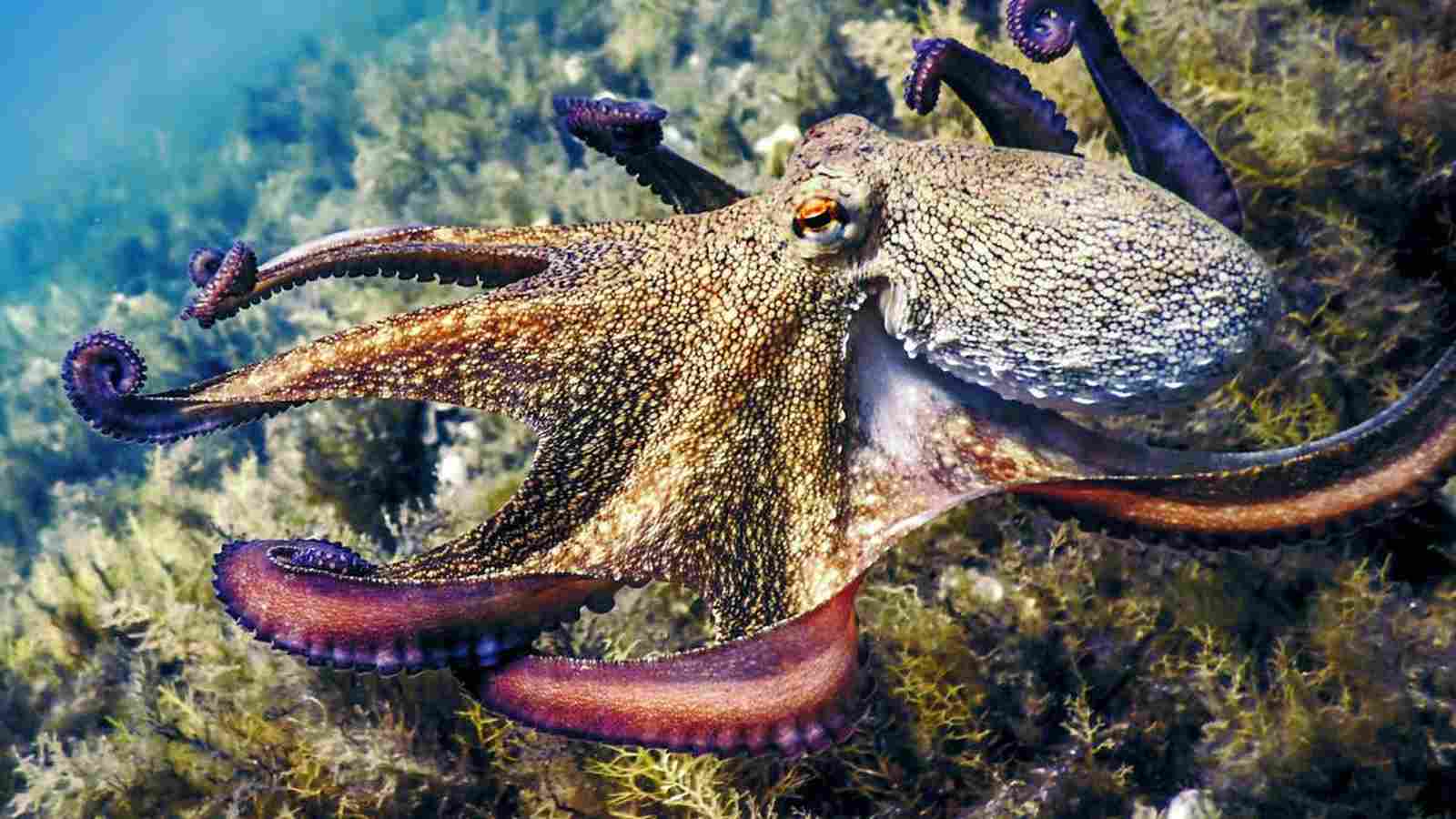
Evolution’s Next Chapter: Octopuses
At the center of this discussion is an unexpected candidate: the octopus. Prof. Tim Coulson highlights these marine cephalopods not because they resemble humans, but precisely because they don’t.
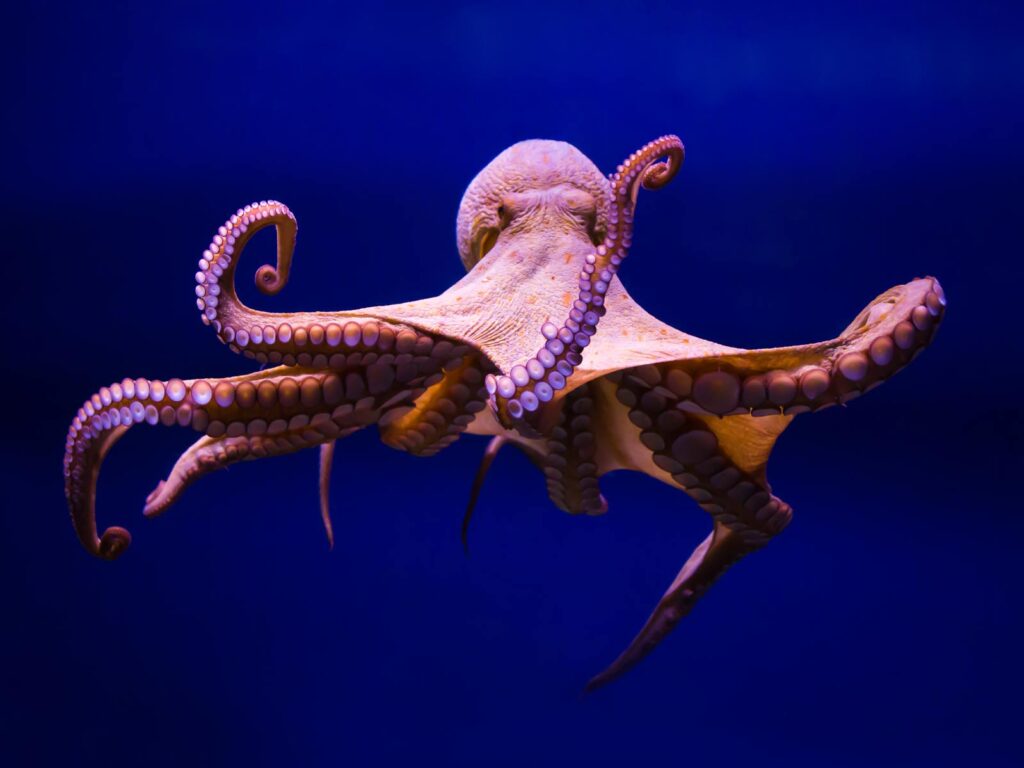
With a highly complex nervous system about 500 million neurons distributed not just in a central brain but throughout their eight arms, octopuses exhibit remarkable problem-solving ability, environmental awareness, and flexibility of behaviour.
In his book The Universal History of Us, he argues that if humans were to vanish, species like octopuses could evolve in unexpected ways, potentially exploiting ecological niches left open by humanity. Unlike primates, which depend heavily on complex social structures and terrestrial habitats, octopuses already show adaptability across a wide range of marine environments.
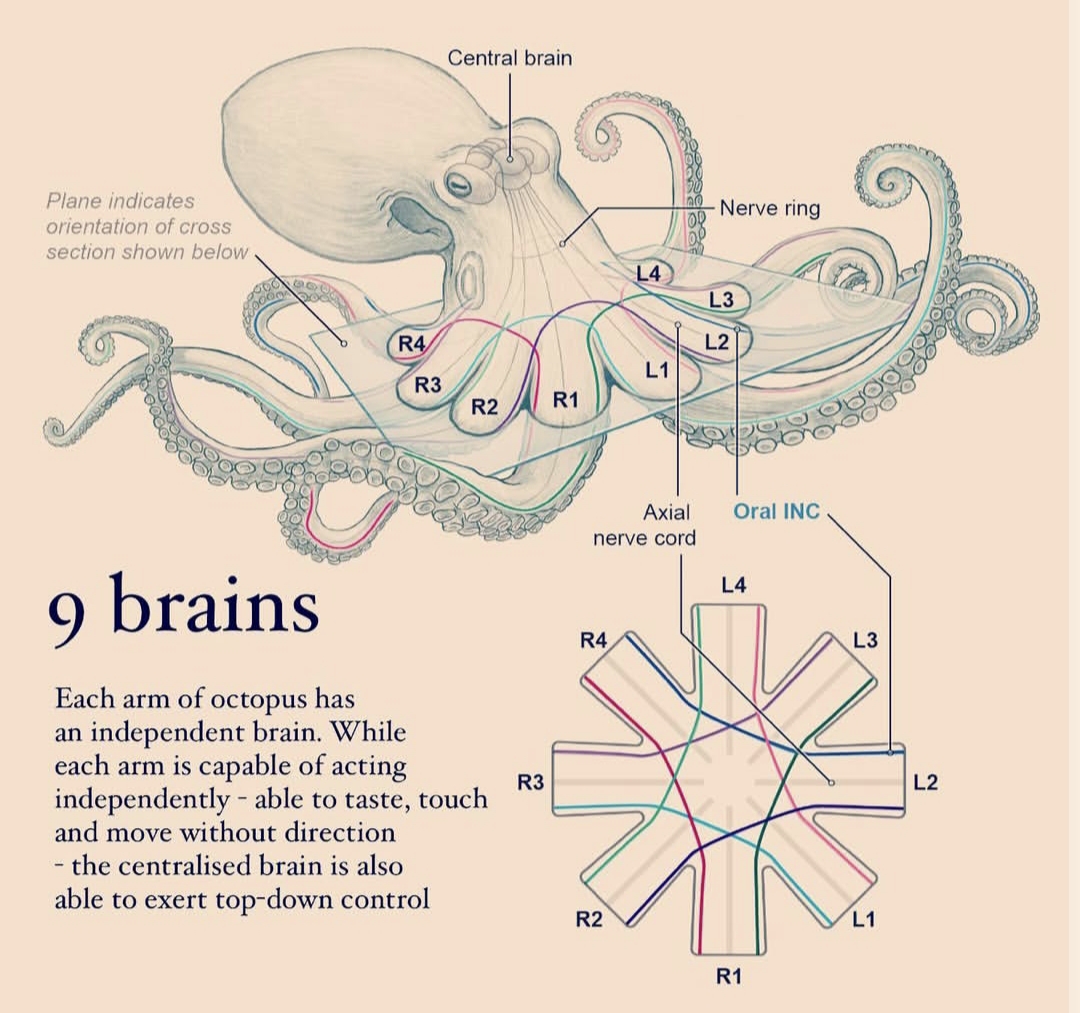
“Some individuals even escape from their tanks at night in some research centers, visiting those of their neighbors, believe it or not,” Coulson says. He adds, “their advanced neural structure, decentralized nervous system, and remarkable problem-solving skills make several species of octopus well suited for an unpredictable world.”
“Octopuses are unlikely to adapt to life on land due to their lack of a skeleton, which makes swift and agile movement out of water challenging,” he explained.
“With evolutionary advances, it is possible, if not probable, that they might develop ways to breathe outside of water and eventually hunt terrestrial animals like deer, sheep, and other mammals – assuming they have survived the catastrophic event that drove humans extinct.”

Importantly, this doesn’t mean octopuses will start building pyramids or operating computers like humans do. Rather, Coulson suggests that given millions of years of evolutionary adaptation especially if dramatic environmental changes follow human extinction they could exploit ecological opportunities in ways that parallel, though differ from, human cultural and technological evolution.
World Octopus Day 2023: History, Activities, FAQs, And Facts About Octopuses
Why Not Other Intelligent Animals?
Popular intuition might point toward mammals such as chimpanzees, dolphins, or even elephants, all known for advanced cognition and social interaction.
But Coulson and many evolutionary scientists urge caution: complex social behaviour does not automatically translate to the development of civilization in the human sense. Many primates, for example, struggle with limited population diversity and specialized habitat needs that might make long-term adaptation difficult after a dramatic planetary shift.
Some research communities also argue that the very traits that made humans successful upright posture, extended parental care, language, fire use and tool-making are rare and might never naturally converge in another lineage in the same way.
![[Watch] Surprise! Octopus escapes from a closed jar](https://newsd.in/wp-content/uploads/2017/06/octopus.jpg)