
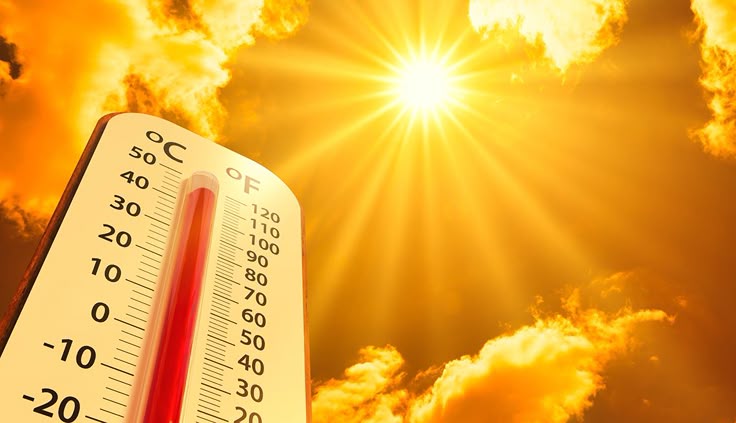
Europe Warming: Europe is warming faster than any other continent on Earth. The reason is not one single weather event or one unusually hot summer. It is the result of long-term climate change combined with several regional factors that can make heat build up faster and stay longer.
According to the latest European State of the Climate report from the Copernicus Climate Change Service, Europe has warmed by about 0.56°C per decade over the last 30 years. The global average has risen by about 0.27°C per decade during the same period. Europe has also warmed by around 2.5°C compared with pre-industrial times.
The effects are already being seen across the continent. Europe is facing more intense heatwaves, dry soils, wildfires and pressure on water supplies and ecosystems.
Upcoming IPOs August 2026: 8 New Issues to Open Next Week; Check Dates, Price Bands, Lot Size
Climate Change is the Main Reason
The biggest cause is the rise in greenhouse gases such as carbon dioxide and methane. These gases hold heat in the atmosphere and make the planet warmer.
Europe has a large amount of land compared with ocean. Land generally heats faster than the sea, so temperatures over the continent can rise quickly. The warming is also not the same everywhere. Central and eastern Europe and the northern high-latitude areas are among the regions seeing some of the fastest increases.
But greenhouse gases are only part of the story. Weather and changes in the atmosphere can make individual heatwaves much stronger.
Cleaner Air and Changing Weather Patterns
Europe has reduced several types of air pollution. This has brought major health benefits, but some aerosols in polluted air can reflect or scatter sunlight. When their levels fall, more sunlight can reach the surface in some areas. This can add to regional warming, although it is much smaller than the long-term effect of greenhouse gases.
Indian Railways Charged ₹168 Crore Superfast Surcharge on Trains Below 55 Kmph: CAG Report
Changes in atmospheric circulation can also decide where heat settles and how long it lasts. When a strong ridge of high pressure stays over Europe, warm air can become nearly stationary. Clear skies then allow the land to keep absorbing sunlight.
The result can be a long period of extreme heat rather than just one very hot day. As Europe continues to warm, scientists expect heatwaves and other climate risks to remain an important challenge for health, agriculture, water supplies and the wider economy.