Delhi’s air quality has once again hit alarming levels, prompting the government to implement measures under the Graded Response Action Plan (GRAP) IV. As pollution in the capital soared to hazardous levels, schools transitioned to online classes starting Monday, leaving many parents and students wondering when a return to normalcy might be possible.
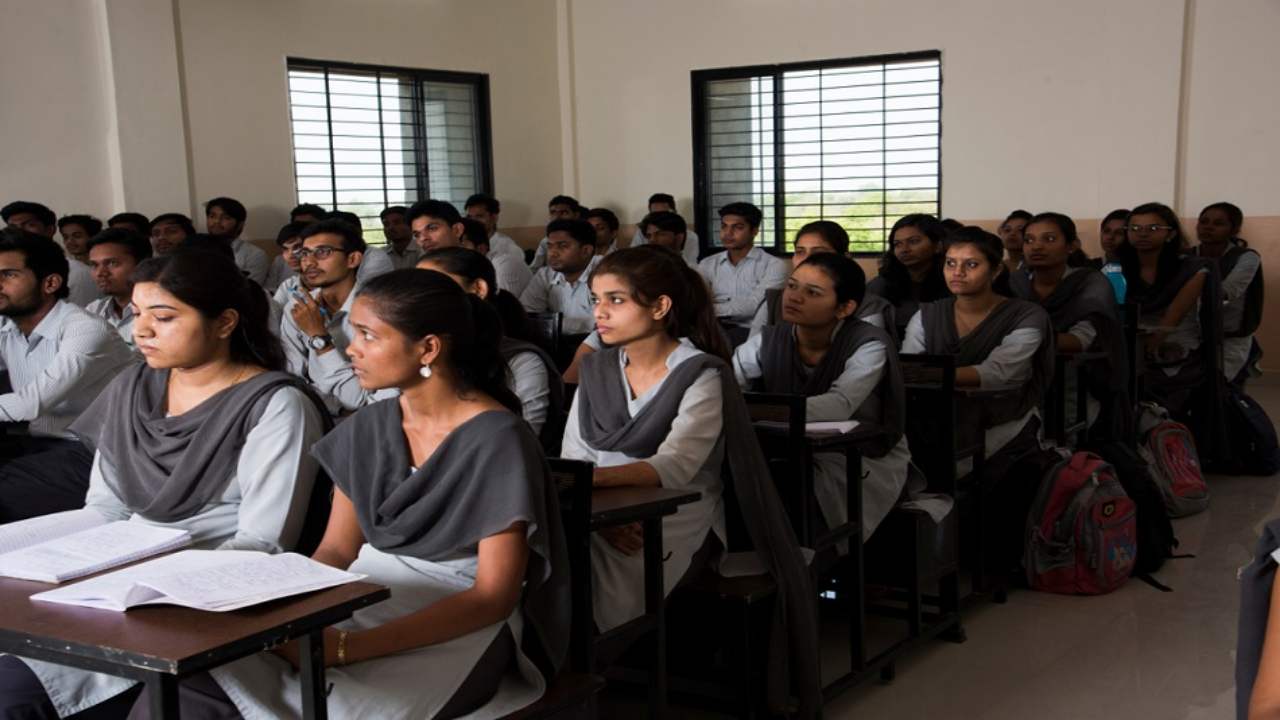
Under GRAP IV, all primary school classes (up to Grade 5) have been suspended, with students shifting to virtual learning. Classes for Grades 6 through 9 and Grade 11 are also being conducted online. However, Grades 10 and 12 continue to hold in-person sessions due to their upcoming board exams. These measures will remain in place until air quality improves, with the Delhi government providing updates as the situation evolves.
Delhi Chief Minister Atishi announced the changes on Sunday via X (formerly Twitter), stating: “Due to rising pollution levels, all primary schools in Delhi will be shifting to online classes, until further directions.”
The Wider Impact of GRAP IV
Beyond school closures, GRAP IV introduces a series of restrictions to curb pollution. These include:
- Vehicle Restrictions: BS-IV or older diesel trucks are barred from entering Delhi unless they are essential service vehicles. Only trucks running on clean fuel (CNG, LNG, BS-VI diesel, or electric) are permitted entry.
- Construction Halt: All construction and demolition activities—public and private—have been paused, including work on roads, flyovers, and pipelines.
- Workplace Adjustments: Offices have been advised to encourage work-from-home options or reduce staff attendance by 50%.
- Traffic Regulations: Measures to restrict private vehicle usage are being enforced, though specifics are still being finalized.
Delhi-NCR Schools and Beyond
While Delhi schools have switched to online classes, responses in neighboring regions vary. Schools in Haryana, including Faridabad and Gurgaon, have declared holidays for students up to Class 5. Yet, in Noida and Ghaziabad, where air quality remains severe, authorities have not yet announced similar closures or online learning transitions. Meetings are anticipated early this week to address the discrepancy across Delhi-NCR.
Current Pollution Levels
Delhi’s Air Quality Index (AQI) continues to hover in the “severe” category. On Sunday, the AQI spiked from 441 at 4 p.m. to 457 by 7 p.m., according to the Central Pollution Control Board (CPCB). Haryana’s Bahadurgarh recorded the highest AQI (445), followed by Delhi (441) and other cities such as Bhiwani (415) and Bikaner in Rajasthan (404).
Experts attribute the worsening air quality to unfavorable weather conditions, crop stubble burning, and emissions from vehicles and industries. The haze and smog gripping the region have made outdoor activities hazardous, particularly for children and the elderly.
What Lies Ahead?
For Delhi residents, the question of when schools will resume offline classes hinges on improvement in air quality. While GRAP IV measures aim to alleviate pollution levels, the timeline for tangible results remains uncertain. The Delhi government has urged residents to minimize outdoor activities and adhere to pollution control measures, emphasizing collective action to combat the crisis.