

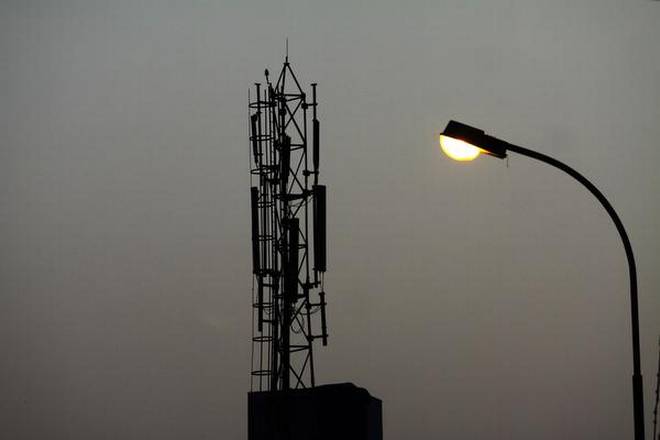
India’s Internet Runs On Diesel: India’s booming digital revolution has an invisible fee that millions of smartphone users rarely notice as it’s hidden in plain sight. Behind the scenes diesel-burning telecom towers keep running 24/7 so mobile networks don’t drop during power outages. As India keeps pushing 4G forward while 5G gets rolled out fast, the telecom industry’s heavy reliance on diesel generator sets is turning into a bigger economic issue as well as an environmental one.
The concerns were raised during a May 22 meeting convened by the DoT’s disaster management unit with the Cellular Operators Association of India (COAI), the Digital Infrastructure Providers Association (DIPA), telecom operators, tower companies and network equipment providers to assess the impact of the Iran war on the sector.
Why Telecom Towers Still Depend On Diesel?
India holds one of the largest telecom networks worldwide with hundreds of thousands of mobile towers delivering continuous connectivity. At many tower locations, especially in rural and semi urban areas, electricity is not always steady. The operators end up leaning on diesel generator or DG sets to keep service going without interruption.
Government-linked and industry backed estimates suggest India has more than 800,000 telecom towers. Some policy conversations even point to a wider telecom infrastructure footprint that goes beyond one million tower sites.
Research and market studies also indicate that over 60% of telecom tower sites in India deal with power outages that last longer than eight hours per day on average. That’s why backup power systems become practically non negotiable for keeping network uptime above 99.95%.
The result is massive diesel consumption across the telecom sector. A 2025 analysis estimated telecom towers in India consume nearly 715 crore litres of diesel annually, contributing over 10 million tonnes of carbon dioxide emissions every year.
India’s Internet Runs On Diesel
While users seem to enjoy seamless connectivity, telecom operators are still quietly shouldering this operational lift of managing thousands of generators. The pressure is getting heavier as India’s 5G rollout speeds up.
“The issues primarily relate to restrictions on the overall quantity of diesel being supplied and denial of diesel supply in open/drum form, which is impacting telecom operations,” industry representatives said during the discussion
Studies suggest that 5G-enabled telecom towers sip more energy than older 4G infrastructure mainly because networks get thicker with more site density and the processing load climbs. One peer-reviewed paper noted that telecom tower CO2 emissions in India might even triple under widespread 5G adoption, if the power stack stays diesel-dependent.
Airtel, Jio Downtime Reported: Mobile Internet Not Working for Many Users
Rural India Connectivity-Power Crisis
That diesel dependence is particularly rough across rural India, where a stable electricity supply is still uneven in a lot of places. Telecom operators commonly build hybrid setups, using batteries alongside diesel generators just to keep the service alive.
Academic work looking at telecom tower deployment in Uttar Pradesh and other rural belts pointed to unreliable electricity supply as one of the largest day to day headaches for telecom operators.
For telecom providers, turning towers off during outages is basically not a choice. Even a short interruption can mess with emergency communications, digital payments, banking services and general public internet access.
Can Renewable Energy Replace Diesel Towers?
The Indian government, and telecom regulators have been nudging the sector toward greener power setups for over a decade now. TRAI guidelines basically encourage a hybrid renewable energy move across telecom towers, specially in rural pockets, you know.
From a 2025 government release, it sounds like TRAI earlier instructions were aiming for something like at least 50% of rural telecom towers and 33% of urban towers to start shifting toward hybrid renewable energy systems.
There’s also research saying solar photovoltaic hybrid systems can cut telecom tower emissions by over 50%, plus they may bring down long term operating costs too.
On top of that, big telecom infrastructure companies are putting money into green energy strategies. Recent industry reports suggest operators are slowly dialing back diesel reliance through outdoor tower layouts, energy frugal equipment and solar integration gradually