

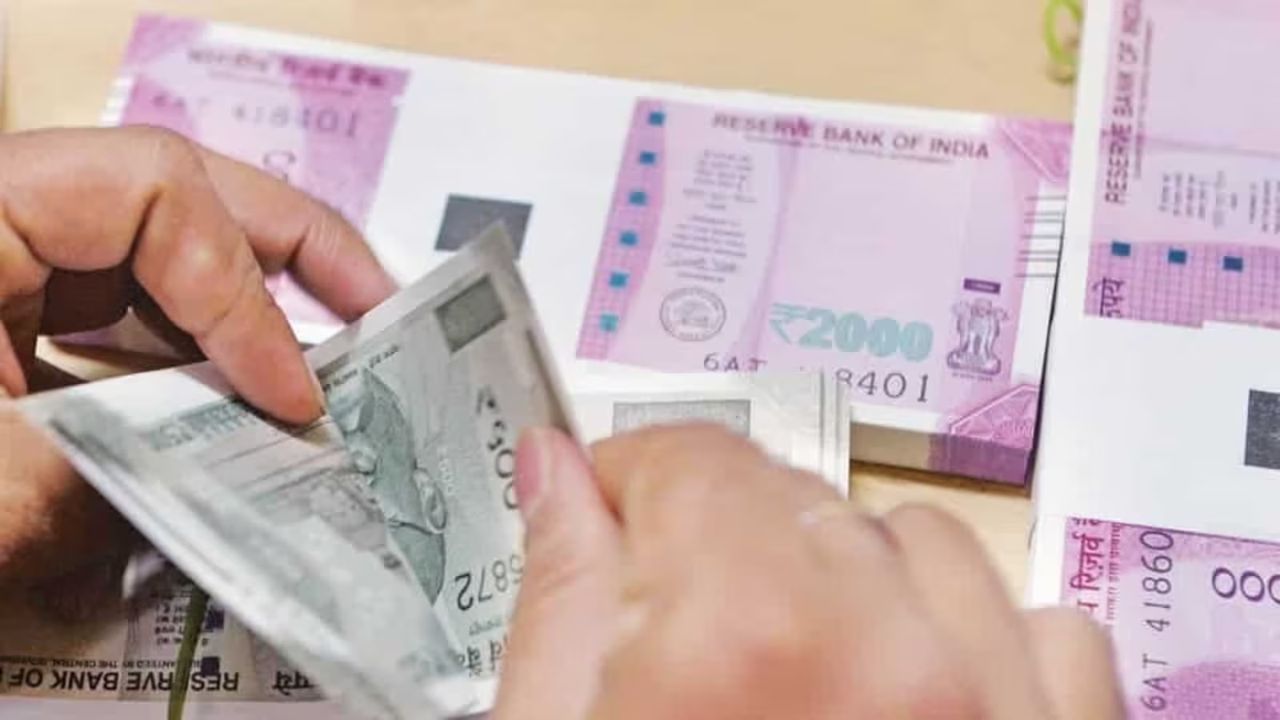
Loan Against Shares: People often think that secured loans only mean giving gold or property to the bank. But today things work very different and now people who invest in the stock market can also use their shares to get money when they need it. This is called a loan against shares,and it helps people handle sudden money needs for personal use, business work, or just to keep some extra cash ready.
A loan against shares works almost like giving gold for a loan. You give your shares as security the bank gives you money and you get your shares back after you pay everything. During the loan time, you still enjoy the benefit of your shares. Dividends still come to your account.
Home loan income tax benefits: Many Indians missing secret home loan tax benefits
You also get things like bonus shares or stock splits. The only thing that changes is that the bank puts a lien on your demat account. That lien stops you from selling those shares until you finish the loan. But you still own the shares the whole time even after it all.
How much Money you can get from your Shares?
The RBI has rules on how much the bank can give as a loan against your shares. Right now, they allow a maximum 50% loan-to-value. That means if your shares are worth Rs 10 lakh, you can only get up to Rs 5 lakh as a loan. Only Group 1 NSE stocks are allowed as security. These are the stocks that trade very often and at least 80% of the trading days in the last six months.
Experts say people must be careful and not take too much loan against their shares. Swapnil Aggarwal, Director at VSRK Capital, says in a report from The Economic Times, “Borrowers should never exceed a 50 per cent Loan-to-Value (LTV) ratio when taking loans against shares.” He also says that “This conservative approach helps protect against sudden market volatility… reducing financial stress” reports ET Now.
The RBI also suggested raising the LTV to 60% and increasing the maximum loan for individuals to Rs 1 crore. This will make it easier for people to get money
What Happens when Share Prices fall?
The biggest risk is with loans against shares comes when the market falls suddenly. Gold and property do not move up and down so fast. But share prices can drop in one day. When this happens your LTV shoots up.
For example, if your shares worth Rs 20 lakh fall 20%, the value becomes Rs 16 lakh. Now the LTV becomes 63%, which breaks the rules. The bank will then give a margin call. You have to pay the extra money on the same day most of the time.
Tata Realty Secures Rs 1,280 Crore Green Loan from DBS Bank
Kresha Gupta, Fund Manager & Director at Steptrade Capital, explains this in the report. She says: “Whatever loss has been unrealised in the account has to be maintained through cash balance only.” She also explains what happens when the market falls even more. She says, “So… the Rs 3 lakh gets adjusted against the unrealised loss of Rs 6 lakh… the remaining Rs 3 lakh has to be paid up through cash.”
If the person does not bring the money fast, the lender can sell the pledged shares. Gupta says, “Usually, lenders monitor the mark-to-market values daily… In most cases, brokers give time until the end of the day to bring in the shortfall.” There is almost no legal help for the borrower unless the bank sells the shares wrongly or at a very unfair price.
Should you Pledge your Shares?
Before you take a loan against your shares, experts say you must keep two types of share baskets. Gupta says one basket should be your pledgeable shares. These must be good strong companies like blue chips and mid-caps. These stocks move slowly and do not fall too much in one go. She says people should stay near 40% LTV even if the bank gives a higher limit.