
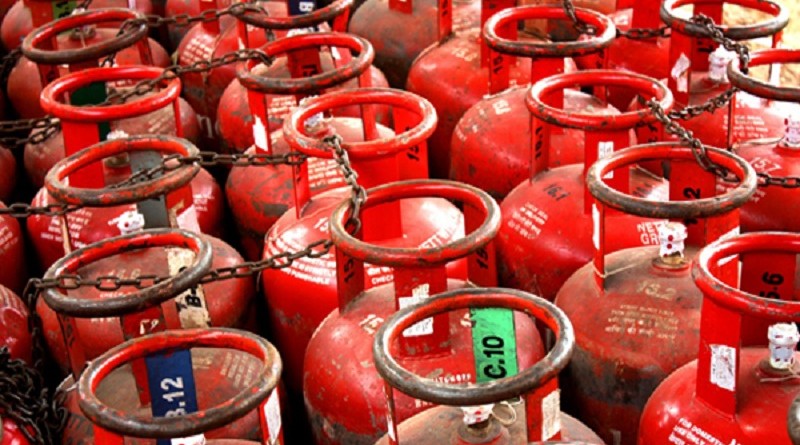
LPG Price Today in India ( 3 April 2026): Government-owned oil marketing companies in India which include Indian Oil Corporation Bharat Petroleum and Hindustan Petroleum execute periodic price adjustments for Liquefied Petroleum Gas LPG throughout the country.
The commercial LPG cylinder rates have experienced multiple changes which depend on global energy patterns and currency value shifts.
What Causes LPG Price Changes?
Global Crude Oil Prices: India imports a significant portion of its LPG requirements. Domestic LPG prices rise whenever international crude prices increase.
Exchange Rate Volatility: Import costs increase when the Indian rupee weakens against the US dollar.
Government Policies & Subsidies: The central government provides subsidies under schemes like Pradhan Mantri Ujjwala Yojana which can affect final consumer pricing.
Distribution and Transportation Costs: It create price differences between different areas which result from logistics and supply chain operations.
LPG Price Today in India ( 3 April 2026)
As per the latest available updates, LPG cylinder prices across major Indian cities are as follows:
Domestic LPG Cylinder (14.2 kg)
These prices have remained unchanged recently after a ₹60 hike in March 2026.
Commercial LPG Cylinder (19 kg)
- New Delhi: ₹2,078.50
- Mumbai: ~₹2,030–₹2,050 (approx trend)
- Kolkata: ₹2,208
- Chennai: ~₹2,200+
LPG Price Hike 2 April 2026: Prices Jump, 3 Gas Ships Await Navy Clearance Near Abu Musa
Is There an LPG Supply Crisis in India?
India currently has sufficient LPG supplies across the country, which enables domestic consumers to access their required needs because the system delivers consistent supply. The delivery delays of cylinders create supply challenges that affect specific urban areas, which experience reduced product availability. The commercial sector experiences greater effects because hotels restaurants and small businesses face difficulties with supply delivery which results in longer periods of waiting.
Multiple global and domestic factors currently create pressure on the LPG supply system. The supply chain experiences additional pressure because domestic demand increases from urban consumption growth and the expansion of Pradhan Mantri Ujjwala Yojana operational schemes.