
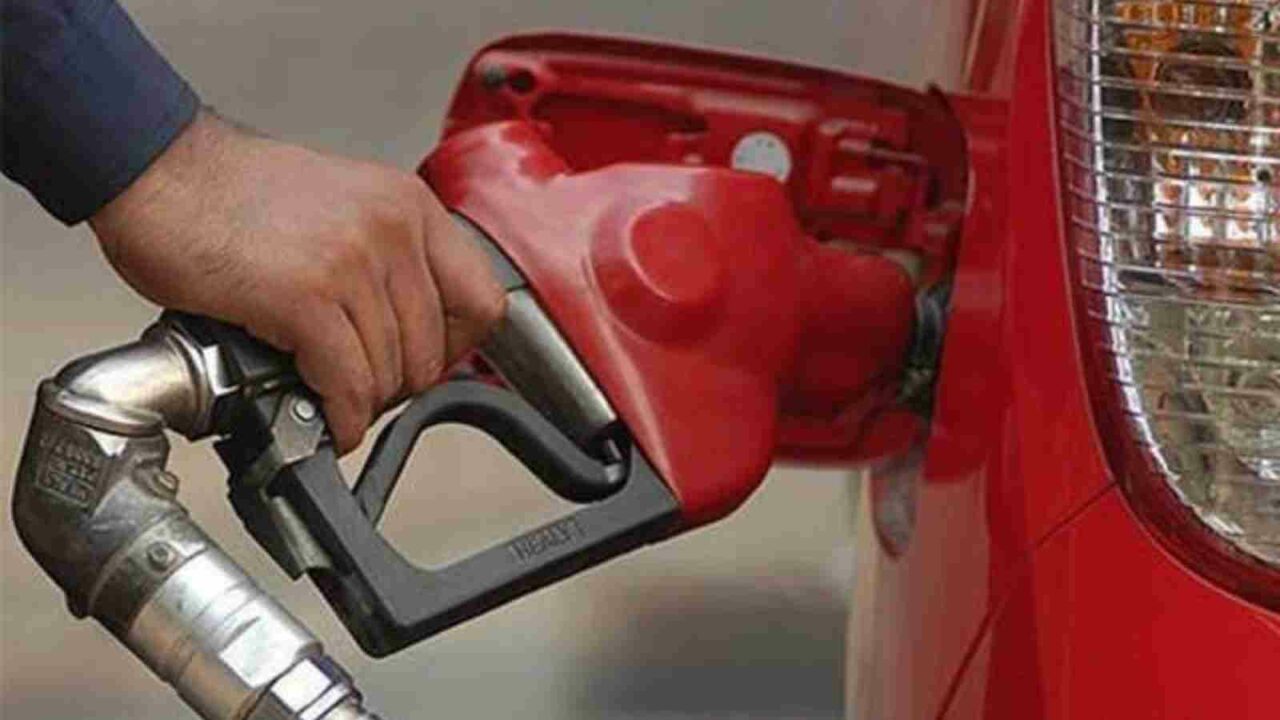
Fuel Prices Today (April 3, 2026): Fuel prices across India remained largely unchanged on April 3, 2026, with petrol priced at ₹94.77 per litre and diesel at ₹87.67 per litre in Delhi, even as global crude oil markets continue to witness volatility amid geopolitical developments.
Petrol, Diesel Prices Remain Stable
The most recent data from government-operated oil companies shows that retail fuel prices in the capital city have maintained their current levels. The international crude prices have increased but the market situation remains stable.
- Petrol (Delhi): ₹94.77/litre
- Diesel (Delhi): ₹87.67/litre
Oil marketing companies (OMCs) face substantial losses because they must pay higher global crude prices while maintaining their current prices to customers.
Fuel Prices Today (April 3, 2026)
- Mumbai: ₹103.54/litre
- Kolkata: ₹105.41/litre
- Chennai: ₹100.80–₹101.23/litre
- Bengaluru: ₹102.92–₹102.96/litre
- Hyderabad: ₹107.50/litre
Diesel Prices in Key Cities
- Mumbai: ₹90.03/litre
- Kolkata: ₹92.02/litre
- Chennai: ₹92.39/litre
- Bengaluru: ₹90.99/litre
- Hyderabad: ₹95.70/litre
India’s petrol prices for metropolitan areas range from ₹94 to ₹107 per litre while diesel prices maintain a range between ₹87 and ₹95 per litre.
Petrol, Diesel Prices Today (April 2, 2026): City-Wise Fuel Rates Across India
Brent Crude Trends
The global oil markets currently experience intense price volatility. Brent crude prices have experienced dramatic price changes during the past few days:
The prices reached a peak between $106 and $109 per barrel because of geopolitical conflicts that occurred in the Middle East.
The recent market developments demonstrate that market conditions have improved because investors now believe that tensions will decrease, which results in temporary drops of crude oil prices.
Global oil prices continue to be impacted by the uncertain supply situation which affects major transit points such as the Strait of Hormuz.
Global Context
The multiple countries which have faced extreme fuel price increases show that India maintains stable fuel prices. After global crude oil prices reached their highest point Pakistan enacted major fuel price hikes.
The UAE started to implement its new fuel pricing system which included significant price hikes throughout its markets at the beginning of April 2026.
The two different situations show how India uses its policies to protect consumers from international price increases which lead to financial losses.