
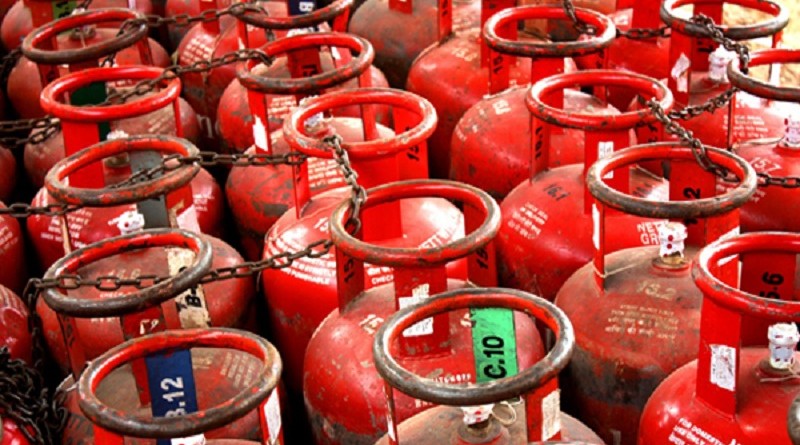
LPG Shortage in Delhi-NCR: The LPG cylinder shortage emerged unexpectedly, which has created panic throughout Delhi-NCR as thousands of homes and businesses attempt to find cooking gas. The reports indicate that several areas have experienced a five-day outage of online LPG refill booking which has forced customers to wait outside gas stations and look for other ways to obtain gas.
The national capital’s gas distributors report that LPG cylinder demand has surged unexpectedly during the past few days. Booking requests in certain areas have increased to almost 50 percent above their typical rate.
Black Market Prices Touch Rs 5600 Per Cylinder
The widening shortage has created an opportunity for illegal black-market operations to thrive. Multiple reports from Delhi-NCR areas show that unofficial sources are selling LPG cylinders at exorbitant prices. Consumers have reported that some sellers offer cylinders at prices reaching Rs 5600 which represents multiple times the controlled market value.
Traders who take advantage of the emergency situation sell cylinders through covert transactions to customers who need gas immediately instead of waiting for their scheduled deliveries. Other cities also experience the same illegal street market operations which see cooking gas sold at prices nearly double the standard market rate because of reduced supply and consumer panic buying.
LPG Shortage in Delhi-NCR: Online Booking Suspension
The temporary suspension of online booking services creates major difficulties for consumers who need to make their reservations. Customers have experienced difficulties accessing mobile apps and distributor portals to place refill orders which lasted for several days across multiple locations.
The distribution centers become overcrowded when customers attempt to obtain gas cylinders through direct visits to gas agencies because they cannot find other methods of gas cylinder acquisition. Distributors report that they face difficulties with normal booking procedures because the present demand exceeds their available inventory.
Restaurants And Small Businesses Hit Hard
The crisis creates major problems for households but it creates even greater challenges for restaurants and street vendors who depend on LPG cylinders as essential equipment for their daily business operations.
Delhi-NCR restaurant owners report they have only a few days of LPG stock remaining. Industry groups have warned that if the supply disruption continues, several restaurants and cloud kitchens may be forced to temporarily shut down.
Odisha Hoteliers seek Puri’s intervention for smooth supply of commercial LPG cylinders
Government Response
Government officials report that the government is monitoring the situation closely while they collaborate with oil marketing companies to restore stability in the LPG supply chain. Authorities maintain that there is no long-term shortage of LPG, and the current disruption is largely due to panic buying and temporary supply constraints.
On Monday, the Ministry of Petroleum and Natural Gas confirmed that a mandatory 25-day gap between domestic LPG bookings has been introduced. The previous minimum interval was 21 days.
A representative of Kiran Gas Services in Khan Market said the demand has increased by nearly 50 per cent over the past few days. “We are receiving so many calls that we are afraid to take any more. People are also coming to the agency in person, but due to the increased demand and limited stock, we are asking customers to wait for two days or so,” he said.
What Consumers Should Do Now?
Delhi-NCR residents should book their needs according to official procedures while avoiding emergency purchase situations. Experts recommend checking booking eligibility, maintaining the standard waiting period between refills, and reporting any instances of black-market activity to authorities.
The delivery process and availability of LPG cylinders will remain problematic for customers until supply levels become stable. The authorities believe that normal operational conditions will return after demand decreases and supply chains achieve stability.