

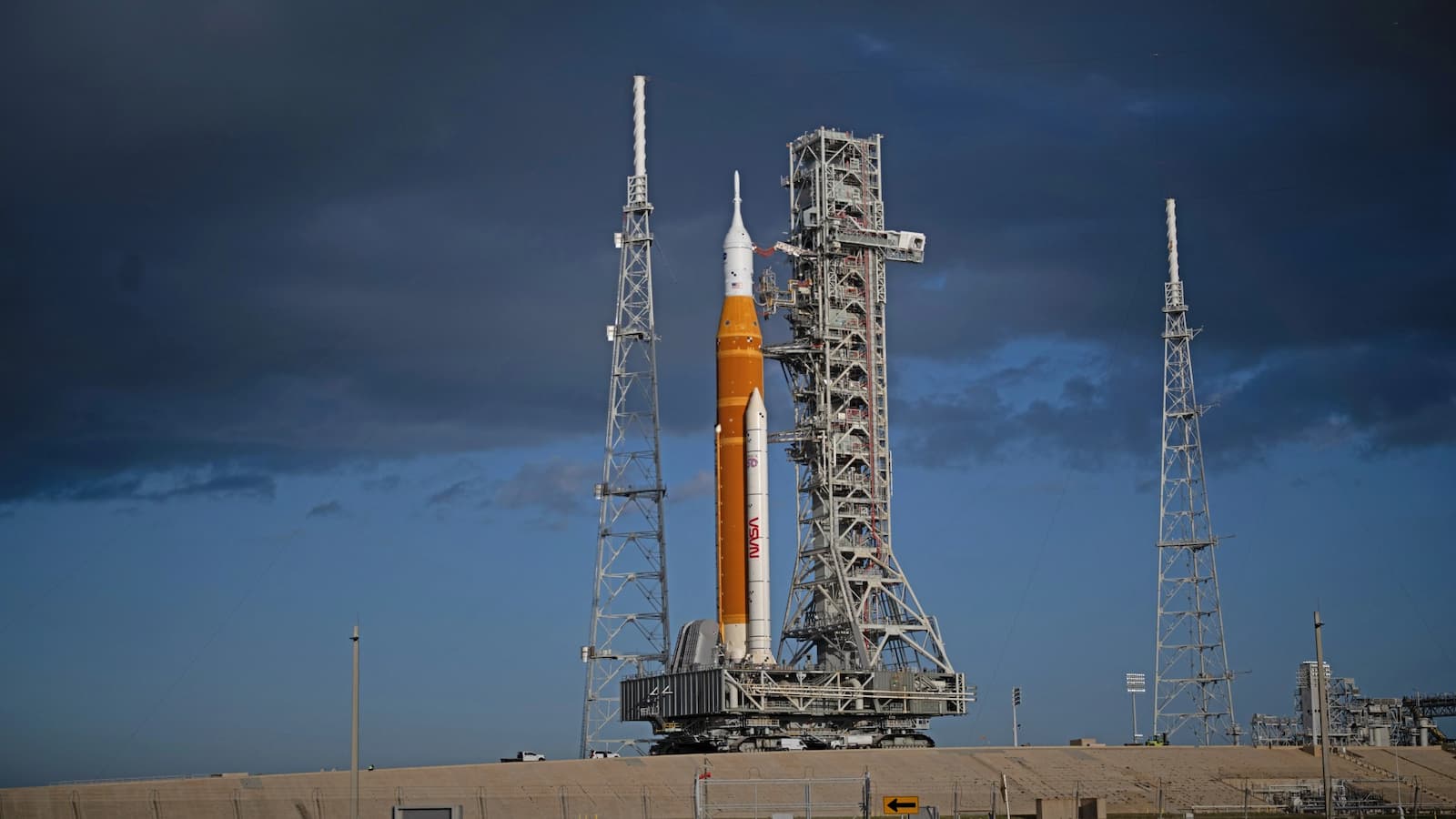
NASA Artemis II Launch Date: NASA has now moved Artemis II much closer to liftoff. The agency is aiming to send the mission up on April 1, 2026. This is a big moment because the mission is no longer just a plan on paper. It is now tied to a real launch period and NASA teams are already doing the final work at the launch pad. Artemis II is expected to last around 10 days, and four astronauts will fly around the moon and come back to Earth.
WhatsApp Privacy Upgrade: New Username Feature to Hide Phone Numbers; Check Timeline
NASA reached this point after delays and technical reviews linked to the Orion spacecraft and launch preparations. Earlier NASA updates said the agency was still reviewing data and open work before setting the launch target, and later the mission was cleared to move ahead toward the April window. So this step shows that NASA feels ready enough to push forward after checking the hardware and mission systems carefully.
Space Weather Problem for the Crew
One big danger on this trip is space weather. The Artemis II astronauts will fly beyond Earth’s magnetic field, which normally gives people some protection from harmful radiation. Because of that, NASA and NOAA are watching the sun all the time for big solar eruptions like flares and other events that can raise radiation levels. NASA says Orion and the crew will carry radiation trackers, and ground teams will monitor solar activity 24/7 during the mission.
NASA has also explained that the crew will get warnings if radiation reaches dangerous levels. If needed, mission control can use that data to help the astronauts make a temporary shelter area inside Orion for more protection.
In simple words, if the sun becomes too active, the astronauts may need to quickly arrange things inside the capsule in a safer way to reduce exposure. This part of the mission is very important because Artemis II will be the first time in more than 50 years that humans go beyond Earth’s protective magnetic shield.
A Big Test for Future Moon Plans
Artemis II is not just about going around the moon once and coming back. It is also a test for how people and machines work together during hard space missions. NASA says the flight will help confirm systems and hardware needed for future human lunar missions. That means the agency is using this mission to learn what works well and what still needs fixing before later moon missions become even bigger.
YouTube’s New ‘Reimagine’ Feature: AI Tool That Turns Frames Into 8-Second Videos
This mission is also important for what comes next. NASA wants Artemis to lead into longer-term moon work, including future missions on and around the moon. Artemis II is supposed to show that the rocket, Orion spacecraft, and crew systems can all do the job in deep space. I