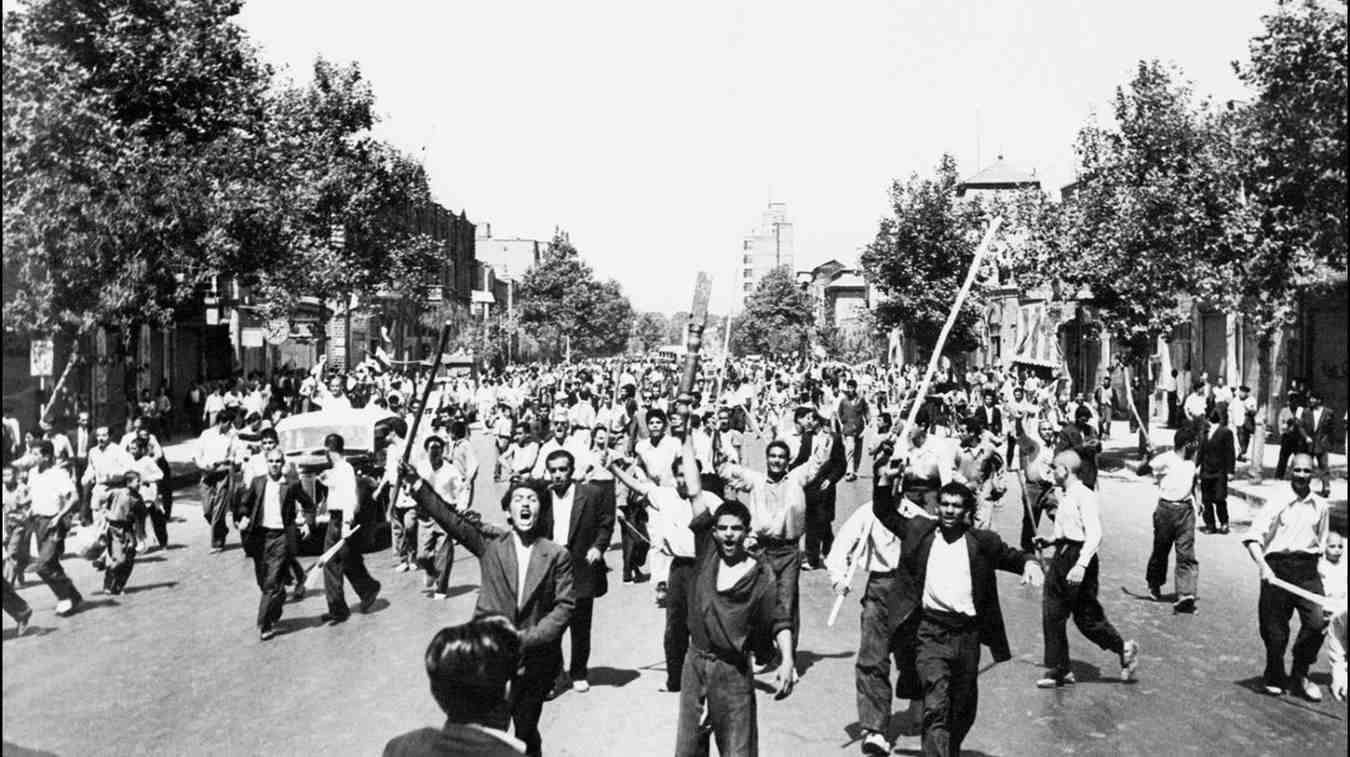
US-Iran Relations: In today’s geopolitical environment, foreign interventions are normally challenged, condemned or reviewed for their legacy effects. One of the first and most consequential examples of such an intervention came in 1953, when the United States supported by the United Kingdom orchestrated a coup to oust Iran’s democratically elected Prime Minister, Mohammad Mossadegh. This one action transformed not just the path of Iranian politics but planted seeds of widespread and long-lasting distrust between Iran and the West, the ramifications we still hear echo to this day.
A Brief History of Iran Prior to 1953
Some context on the political climate of Iran in the early 20th century before diving into the coup itself. Iran, then called Persia, was a wealthy, secular constitutional monarchy ruled by the Pahlavi dynasty. It was deeply nationalist and democratic in spirit. In the wake of decades of colonial plunder, mainly at the hands of Britain and the AIOC (which would later evolve into BP), the people of Iran were tired of foreign meddling and income disparity.
By 1951, this national sentiment was expressed in the election of Mohammad Mossadegh as Prime Minister. Mossadegh was true to the postcolonial mold, a charismatic leader both highly educated and fiercely nationalist. Perhaps his most popular and certainly most controversial move was the nationalization of the Iranian oil industry, which had been under British control for over 50 years. While this action won him accolades at home, it outraged Britain and scared the United States.
G7 Nations Voice Support for Israel amid Rising Middle East Tensions
Operation Ajax: The Timeline of the Coup
Afraid that Mossadegh’s nationalism would spread and threaten Western nations’ control over essential natural resources, Britain enlisted the United States’ help. At first unwilling, the U.S., under President Dwight D. Eisenhower and firmly under the growing influence of the emerging Cold War mentality, accepted. When the CIA overthrew Iran’s democratically-elected Prime Minister Mohammad Mossadegh in August 1953 through Operation Ajax, it was the agency’s first major covert operation to overthrow a foreign government.

The blueprint, deceptively simple yet insidious, called for propaganda, bribery, and staged protests to undermine Mossadegh’s government. High-ranking Iranian military officers were bribed, dissident newspapers were peddled disinformation, and staged protests created the appearance of popular unrest against Mossadegh. The Shah of Iran, Mohammad Reza Pahlavi, who had originally fled the country in terror, was returned to the country and returned to power with increased authority.
Who Will Lead Iran After Khamenei? Key Contenders If the Regime Falls
Aftermath and Long-term Consequences
The direct result of the coup was the replacement of a nationalist regime with a pro-Western autocratic regime under the Shah. While this protected American and British oil interests, it was the end of Iranian democracy. Over the next 20 years, the Shah maintained his power by brutal repression, both of the people and their political opposition and through a secret police force known as SAVAK that he used to execute, torture, and imprison anyone in political opposition. The pernicious legacy of his rule, in exchange for their modernization and economic growth, is the loss of political freedom and the abandonment of human rights.
This resentment and anger that had been brewing for decades erupted in the 1979 Iranian Revolution that dethroned the Shah and replaced him with Ayatollah Khomeini’s Islamic Republic. Anti-American sentiment reached its zenith during this time, most notably through the U.S. embassy hostage crisis. Many Iranians saw the revolution as not simply a rejection of the Shah but of Western imperialism, based on the 1953 coup that lived in infamy.
US-Iran Relations: American Aid to Israel Increases Iranian Distrust
Over the last few years, and especially in 2025, the U.S.’s at times unquestioning support for Israel while Gaza burned and conflict continued to spread throughout the Middle East has seriously aggravated Iran’s ire towards Washington. Iran sees American military assistance, political support and vetoes of ceasefire resolutions in international bodies as direct confrontation against the Muslim world and especially against its own national interests. This support is seen not just as geopolitical alignment, but as moral complicity in what the Iranian regime and many other regional actors describe as a systemic oppression of the Palestinian people. The sting of the 1953 betrayal still lingers, and actions taken by the U.S. today are too frequently viewed through the lens of historic betrayal. Iran’s hardliners use these dynamics to paint their rivals as forcing Iran into a corner, justifying a nuclear program and anti-Western rhetoric in perpetuity, deepening a cycle of hostility that seems far from breaking.
The Legacy of the 1953 Coup
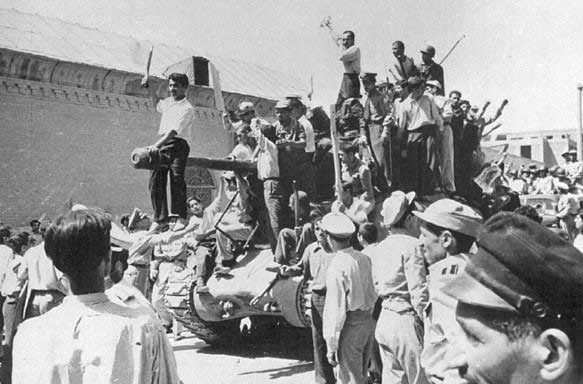
The 1953 CIA backed coup in Iran is now widely recognized as one of the biggest blunders in U.S. foreign policy. Yet it created a terrible precedent for future regime change operations and a long shadow of distrust that still pervades U.S.-Iran relations. Even today, Iranian leaders routinely reference the coup as proof of American meddling, using the memory of the coup to rally support for anti-Western policies and rhetoric.
In retrospect, the coup served as a warning about the long-term consequences of prioritizing short-term strategic interests over democratic principles.