
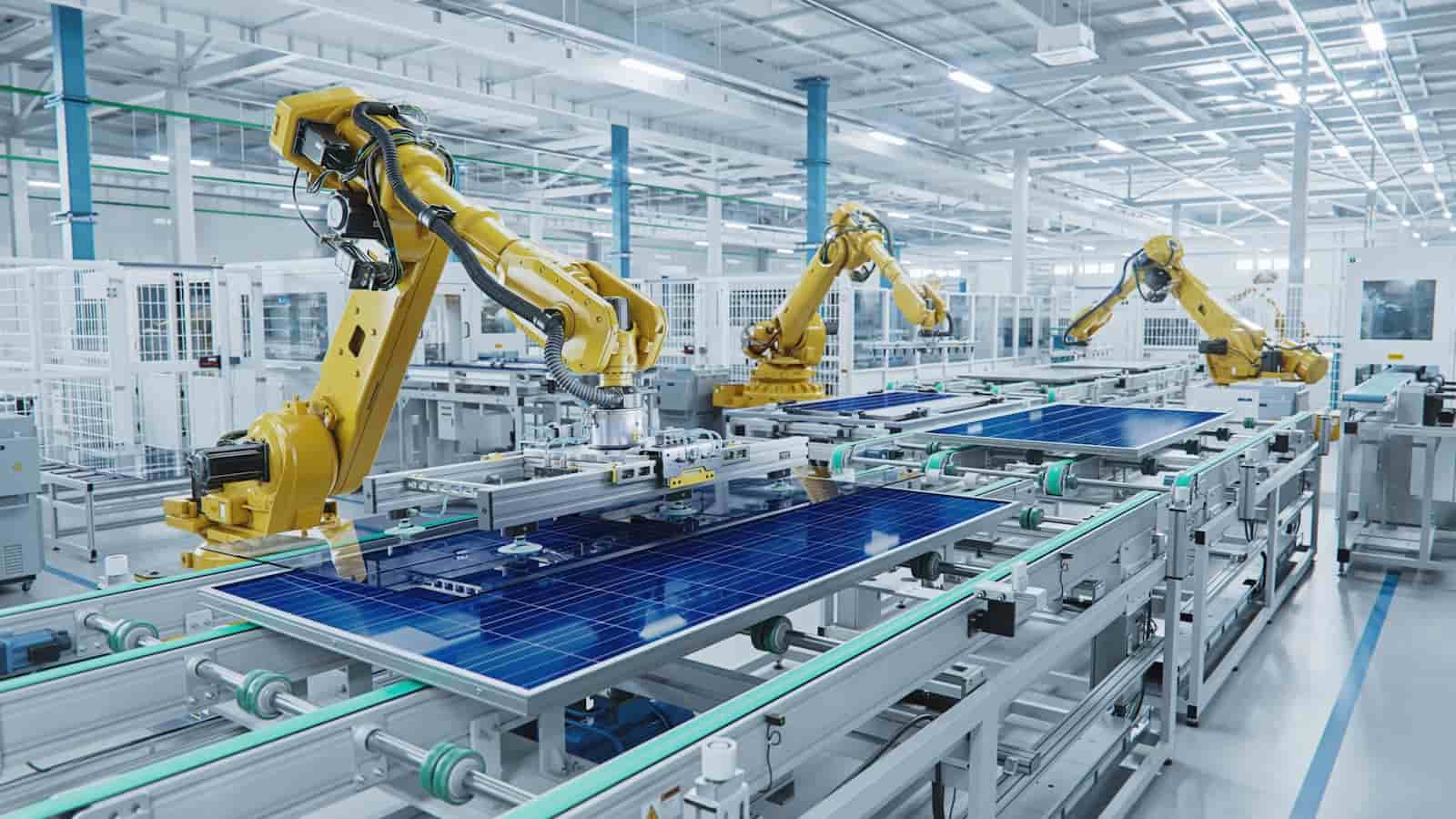
Smart factories are transforming the way industries operate by connecting machines, people, and data into one streamlined system. Companies are under pressure to increase efficiency, reduce errors, and maintain consistent output while staying cost-effective.
Achieving this balance requires more than automation alone; it also necessitates a comprehensive approach to management. It takes intelligent systems that can adapt to changing demands and provide real-time control. This is where advanced industrial control solutions become essential.
They enable manufacturers to monitor performance, optimize operations, and respond promptly to issues. By combining accuracy with flexibility, these solutions help build factories that are safer, smarter, and ready for future growth.
What Makes Smart Factories Different?
Smart factories are built on the concept of integrating physical and digital systems into one cohesive unit. Sensors, machines, and software collaborate to deliver real-time data that supports informed decision-making.
Unlike conventional manufacturing setups, smart factories rely on connectivity to detect issues early, predict maintenance needs, and optimize resource usage. The result is a more adaptive and efficient production environment that aligns with the demands of modern markets.
The Role of Industrial Control Solutions in Smart Factories
Control solutions form the backbone of smart factories by streamlining, monitoring, and optimizing operations.
- Streamlining Operations
Industrial control solutions simplify complex processes by standardizing control mechanisms across machines and systems. They reduce manual interventions, minimize errors, and ensure smoother workflows. Operators can monitor and manage systems from a central point, improving response times and decision-making.
- Enhancing Productivity
By offering accurate control and real-time monitoring, these solutions help factories maximize output without compromising quality. Automated processes reduce downtime and enable faster cycle times, ensuring that production targets are consistently met.
- Supporting Predictive Maintenance
Modern control systems are designed to continuously capture and analyze data in real-time. This makes it easier to detect early signs of wear, malfunction, or inefficiency. Predictive maintenance reduces unplanned shutdowns and extends the life of equipment, saving both time and costs.
- Improving Energy Efficiency
Energy costs are a major concern in manufacturing. Industrial control solutions optimize power usage by regulating systems in response to demand. This not only reduces waste but also supports sustainability goals, making factories greener and more cost-effective.
Key Benefits of Advanced Industrial Control Solutions
Adopting advanced systems delivers measurable gains in productivity, safety, flexibility, and long-term growth.
- Greater Flexibility
Manufacturing needs often change due to shifts in market demand, new product introductions, or customer requests for customization. Advanced systems are adaptable and allow for quick adjustments without disrupting operations.
- Increased Safety
Safety remains a top priority in any industrial setup. These solutions integrate safety protocols, emergency shutoffs, and monitoring features that protect both workers and equipment.
- Better Data Insights
The ability to collect and analyze data in real time empowers decision-makers. From identifying bottlenecks to tracking performance, insights gained from these systems guide long-term improvements.
- Scalability for Growth
As factories expand, they need systems that can grow with them. Industrial control solutions are designed to scale, making it easier to integrate new machinery, processes, and technologies.
Applications Across Industries
Industrial control solutions are not limited to a single sector. They are widely used in automotive manufacturing, food and beverage processing, pharmaceuticals, energy, and electronics. Each industry benefits from improved efficiency, reduced downtime, and safer operations.
For instance, automotive plants rely on these systems for precision assembly lines, while pharmaceutical companies use them to maintain strict quality and compliance standards.
Future of Smart Factories with Control Solutions
The future of smart factories lies in integrating industrial control solutions with advanced technologies, including artificial intelligence, machine learning, and cloud computing. These integrations will allow for even greater automation, predictive analytics, and remote monitoring. Factories will become increasingly self-sufficient, with systems that can anticipate needs, make decisions, and continuously optimize processes without constant human intervention.
Build Smarter, Safer Factories with Expert Solutions
Smart factories are setting the standard for efficiency, safety, and scalability in modern industries. By integrating advanced industrial control solutions, manufacturers can build operations that are not only responsive to today’s challenges but also ready for future demands.
Partnering with reputable brands ensures access to reliable technologies, expert support, and solutions designed to grow in tandem with your business. Take the next step toward smarter manufacturing by exploring advanced industrial control solutions that empower long-term success.