


Mental Health Benefits of Planning a Trip: The current era faces multiple work-related challenges and digital interruptions and continuous stress which now transforms trip planning into an effective method for safeguarding and improving mental health. The benefits of traveling start to emerge from the moment people begin their travel preparations instead of waiting until they actually start their journey.
The research field of psychology together with travel science studies shows that travel planning improves people’s mood and decreases their stress while they experience higher life satisfaction which makes the process an effective routine for maintaining mental health.
Mental Health Benefits of Planning a Trip

Scientists who study happiness determined that people experience greater long-term happiness from expecting upcoming events than they do from waiting to receive material possessions. One 2013 survey of 485 adults in the U.S. linked travel to enhanced empathy, attention, energy, and focus. Other research suggests that the act of adapting to foreign cultures may also facilitate creativity.

A landmark study at Cornell University demonstrated that people who visualized future trips activated their brain’s reward centers which created positive feelings that lasted until their actual travel time. The process of thinking about upcoming experiences which will bring new things to life creates emotional happiness which people experience because they don’t put their attention on upcoming material things.

The process of planning activities creates opportunities for us to experience pleasant upcoming moments. “As humans, we spend a lot of our mental lives living in the future,” says Killingsworth, whose work centers on understanding the nature and causes of human happiness. “Our future-mindedness can be a source of joy if we know good things are coming, and travel is an especially good thing to have to look forward to” says Matthew Killingsworth, Senior member at the Wharton School at the University of Pennsylvania.
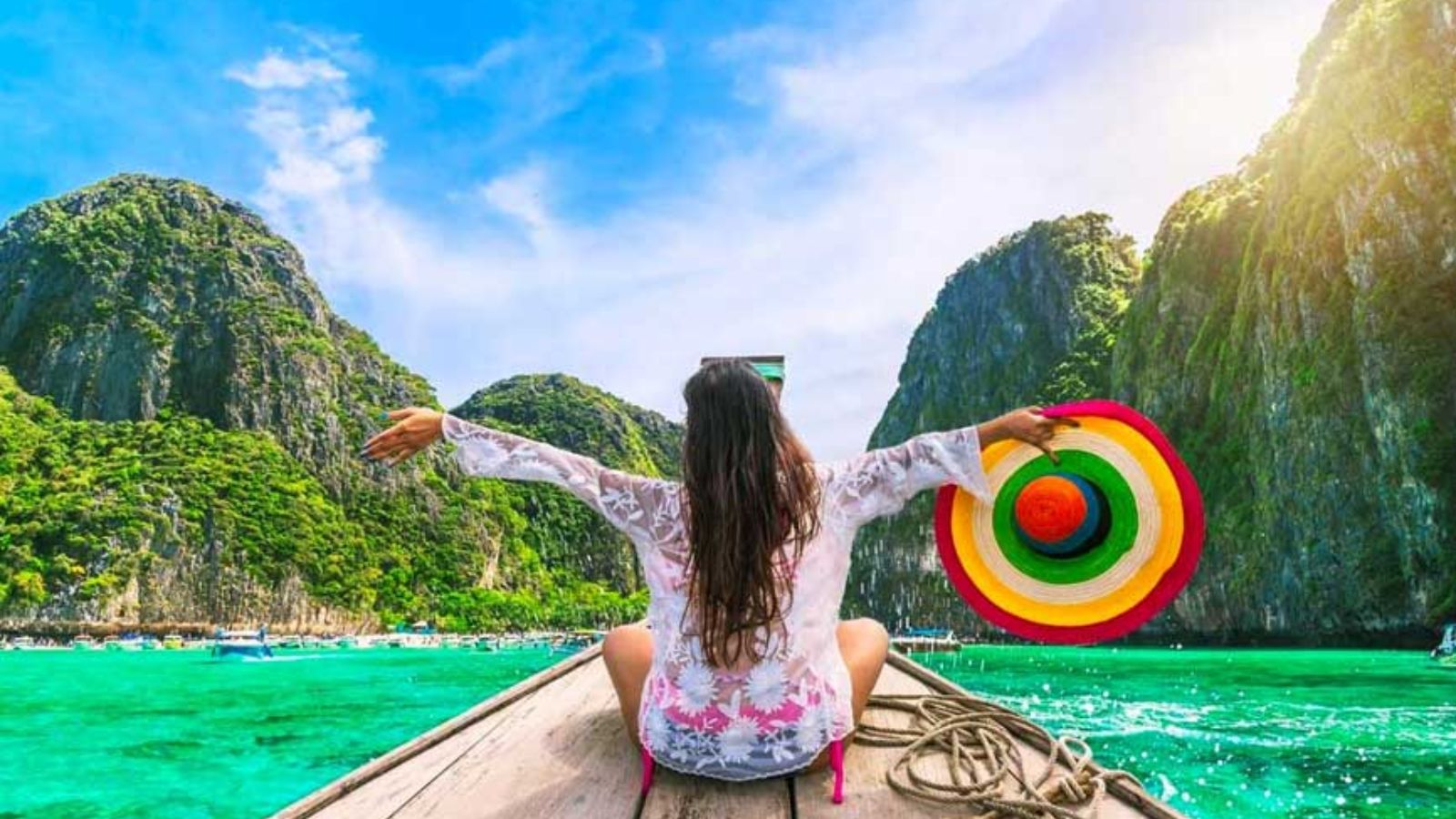
The primary mental health advantage from travel planning activities brings about the positive feeling of hope. Surveys conducted during times of widespread uncertainty revealed that the mere knowledge of a planned trip can make people feel happier and more hopeful about the future.
According to research, a vast majority of people reported that just having travel on the calendar made them feel better and more in control at a time when control felt scarce.
Stress Reduction

While travel itself is often seen as an escape from daily stress, preparation and planning serve as an early form of stress relief. Research shows that people who organize their vacation plans by selecting travel destinations and selecting their future activities receive a mental break from ongoing problem-solving work and their life obligations.

The study of leisure travel patterns shows that people who take multiple breaks from their daily activities can better recognize their work-related stress which helps them to recover emotionally while their cortisol levels decrease.
Republic Day Long Weekend Plans in Bangalore: Best Short Trips from Bangalore
Experiences Over Things

Mental health research shows that people consider their emotional experiences to have greater value than their material possessions. People who travel create joyful experiences during their trips which lead to permanent memories and stories that they will share with others and remember throughout their lives.
Social Connection and Mental Reset
During the planning stage, people need to contact others to exchange thoughts while working with their travel partners to explore the most exciting trip destinations.

Furthermore, whether imagined or real, travel expands networks and fosters new connections. Researchers note that this social dimension contributes indirectly to better emotional health long after the trip is over.