
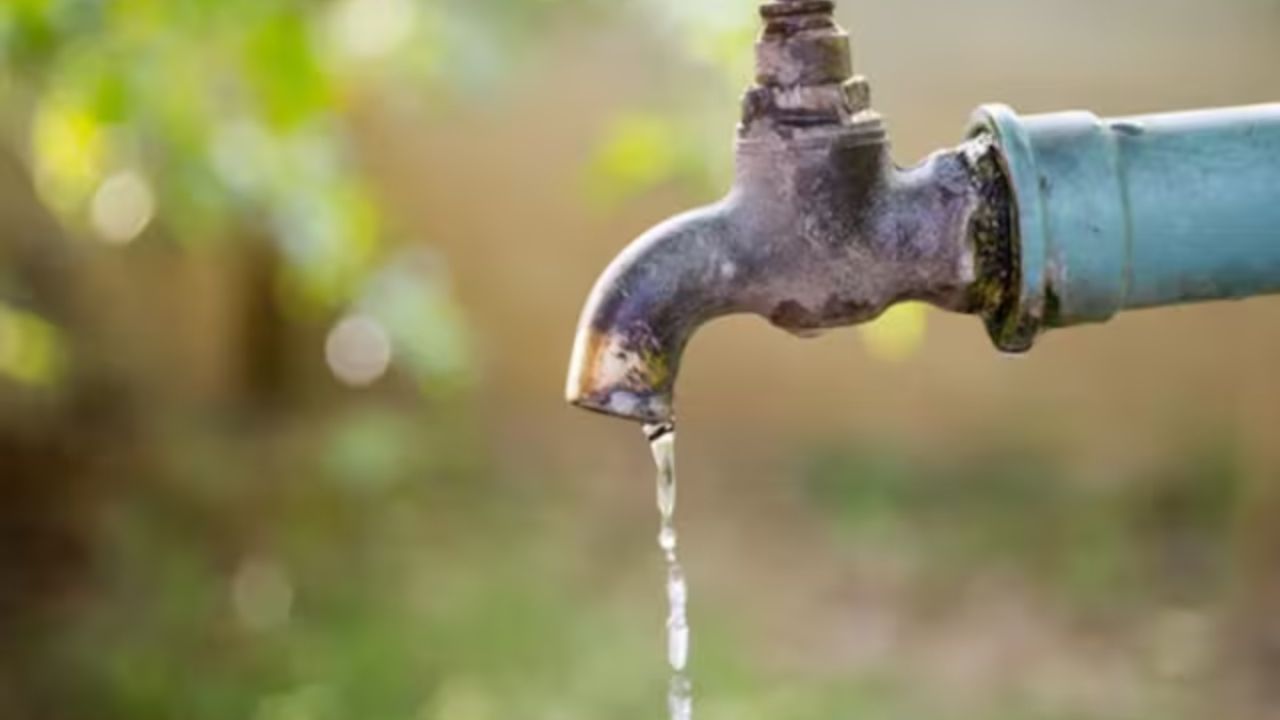
Global Water Bankruptcy Explained: United Nations researchers have declared that the planet has crossed a critical threshold: the world is no longer facing isolated water shortages or seasonal shortages, it has entered an era of global water bankruptcy.
This terminology, used in the latest flagship report from the United Nations University Institute for Water, Environment and Health (UNU-INWEH), marks a departure from conventional language like “water stress” or “water crisis” to describe conditions that were once viewed as temporary or reversible.
Global Water Bankruptcy Explained
According to lead author Kaveh Madani, director of UNU-INWEH, this shift reflects a stark new reality in which water systems across the globe are chronically depleted, polluted, or damaged beyond recovery to their historical baselines.
What “Water Bankruptcy” Means in Real Terms?
In economic terms, bankruptcy signifies spending more than one’s income and eroding savings to a point of scarcity. Applied to water, the concept means humanity has long overspent its water “income” the renewable freshwater supplied naturally by rain, snowmelt, and rivers while also depleting the planet’s long-term water “savings” stored in glaciers, aquifers, and wetlands.

“This report tells an uncomfortable truth: many regions are living beyond their hydrological means, and many critical water systems are already bankrupt,” says lead author Kaveh Madani, Director of the UN University’s Institute for Water, Environment and Health (UNU-INWEH), known as ‘The UN’s Think Tank on Water.’
The report highlights stark indicators of this condition:
- More than half of the world’s large lakes have shrunk since the early 1990s.
- Rivers in several major basins fail to reach the sea during parts of the year, disrupting ecosystems and human use.
- 70% of their total number, experience permanent decline because people extract water from these aquifers at rates that exceed their natural ability to recharge.
- Over 410 million hectares of wetlands, which equals the total area of the European Union, have vanished, which decreases nature’s ability to protect against droughts and floods.
Billions of People at Risk
The human toll of this transition to water bankruptcy is already evident and significant. Roughly 75% of the global population lives in countries defined as water-insecure or critically water-insecure, and around four billion people experience severe water scarcity for at least one month per year.
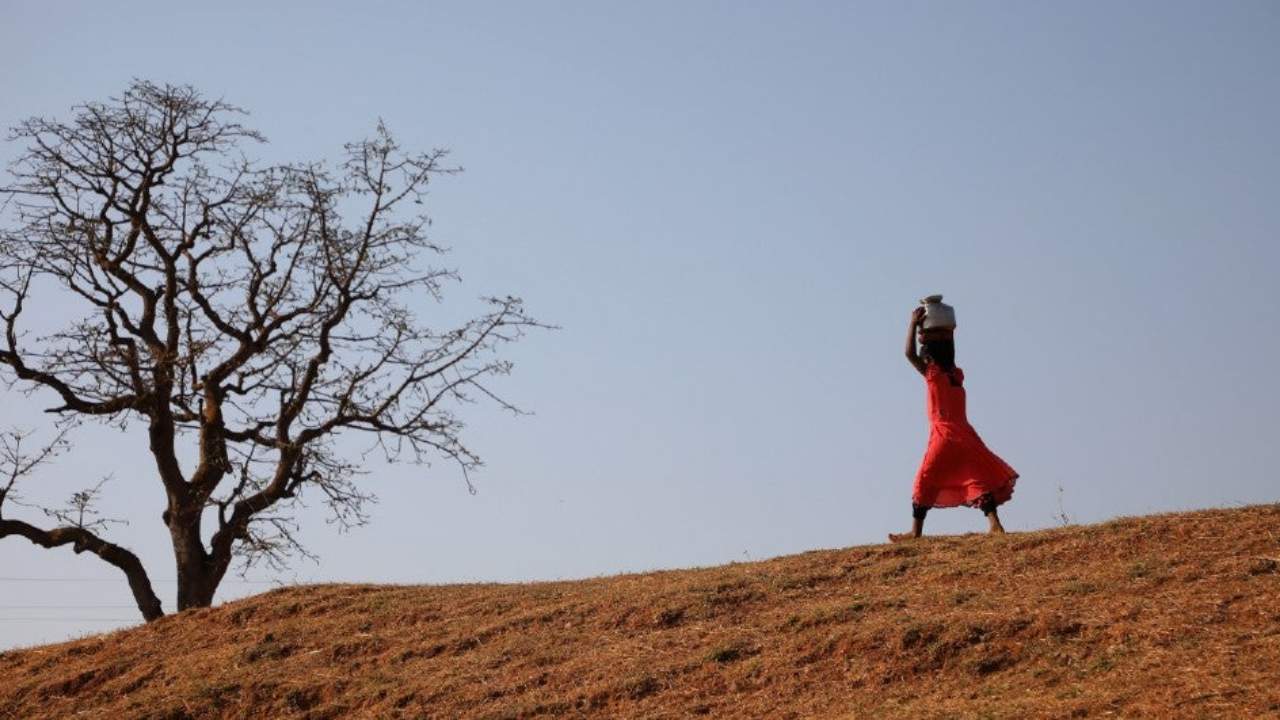
Groundwater depletion has its greatest effects on urban and agricultural areas because some cities encounter land subsidence when they deplete aquifers at rates that exceed their natural recovery capacity. The system experiences two negative effects because it loses water resources and faces increased danger of flooding and damage to infrastructure.
Loss of more than 30% of glacier mass since 1970 removes critical natural water storage at high altitudes, threatening the water supply for millions dependent on glacier-fed rivers.
Economic and Food Security Impacts
A water-bankrupt world also carries heavy economic costs. The global economy suffers annual losses of US 307 billion because of drought impacts while wetland and ecosystem degradation results in US 5.1 trillion annual service loss.
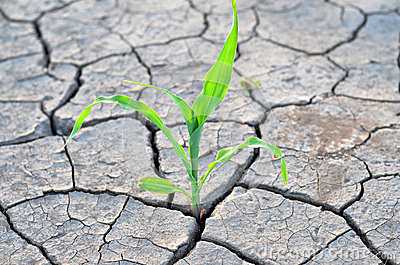
Severe water shortages now affect agriculture which requires 70 percent of all freshwater resources worldwide while more than 10 million hectares of agricultural land face extreme water scarcity.
Markets under water, families surviving on biscuits: Delhi reels as Yamuna floods homes
Global Water Bankruptcy: Management
UN experts present their water management recommendation through direct language which defines the necessary changes for current water systems. The approach currently used to handle water shortages treats them as temporary situations which necessitate immediate solutions that actually fail to solve the underlying problems of resource depletion and environmental damage. The report recommends a new directive which will establish transparent procedures for handling water asset loss while enabling organizations to rebuild their sustainable water management systems.
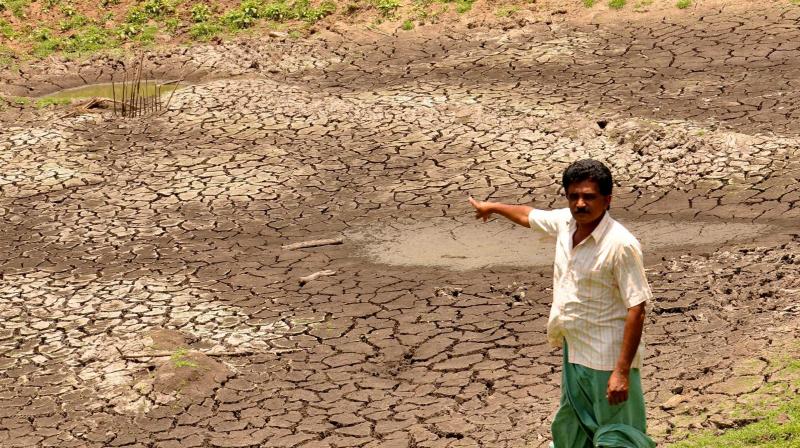
“Water bankruptcy is becoming a driver of fragility, displacement, and conflict,” says UN Under-Secretary-General Tshilidzi Marwala, Rector of UNU. “Managing it fairly – ensuring that vulnerable communities are protected and that unavoidable losses are shared equitably – is now central to maintaining peace, stability, and social cohesion.”
“Bankruptcy management requires honesty, courage, and political will,” Madani adds. “We cannot rebuild vanished glaciers or reinflate acutely compacted aquifers. But we can prevent further loss of our remaining natural capital, and redesign institutions to live within new hydrological limits.”
The UNU-INWEH report which was published before the 2026 UN Water Conference aims to generate political support and international collaboration for the protection of vulnerable communities and the preservation of ecosystems and the establishment of future water security.