
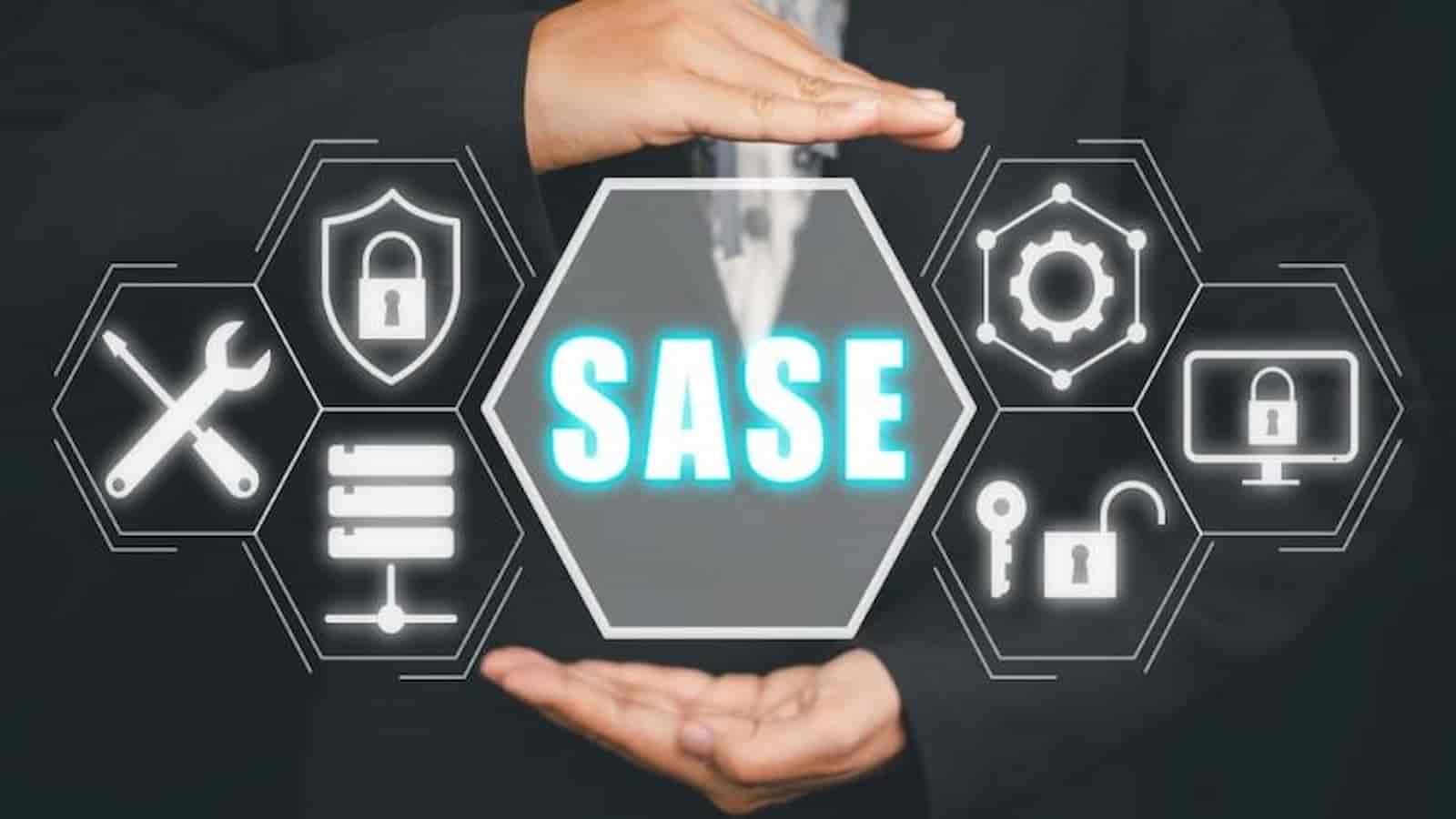
For a long time, the way we protected a company was by building a tall fence around the office building and ensuring that all data stayed inside those walls. This worked well when every employee sat at a desk in the same room, but the world has moved on, and now most of our important files live in the cloud while our workers are spread out across many different homes and cities. The old stack of security tools, which usually includes a mix of different firewalls and private network gateways, is starting to feel very heavy and slow because it was never meant to handle this much traffic from the outside. This is why a new way of thinking called SASE is taking over much faster than many experts predicted because it finally solves the problem of how to keep data safe when the office has no real borders anymore.
The Collapse Of The Old Security Perimeter
When you use an old system, every time a remote worker wants to check an email or open a file, their request has to travel all the way back to the main office, where it’s checked by a security box before it can go out to the internet. This creates significant lag and makes the connection feel very sluggish, which is a major frustration for anyone trying to get their work done on a tight deadline. The more tools you add to that old stack, the slower the network becomes, because each piece of hardware has to inspect the data before it can pass through. It is a bit like going through five different security checkpoints at an airport just to get to the next gate, and it simply does not make sense when the apps we use are already on the web.
By moving these checks to the cloud rather than keeping them in a physical box in the basement, a business can ensure security happens where the user is located. Tata Communications is among the companies that provide the kind of global network that makes this transition possible, allowing a company to integrate its security and network into a single package. Stop treating the network and security as separate problems; you find the whole system becomes much easier to manage. Most managed cybersecurity services are now shifting their focus toward this model because it removes the need for expensive hardware at every branch office and makes it much easier to see what is happening across the entire company at once.
Simplifying The Mess Of Too Many Tools
A typical office might have ten or fifteen different products from different companies, all trying to work together to protect the data, but they often do not speak the same language. This creates gaps where a smart actor can find a way in because one tool thinks the data is safe while another tool is not even looking at that specific part of the network. SASE simplifies this mess by putting all those functions into a single layer that lives in the cloud and follows the user wherever they go. It is a much more practical way to handle a workforce that is always on the move, because you no longer have to worry about whether a home router is secure or whether a public Wi-Fi connection is dangerous.
The speed at which this is happening is partly due to how much simpler it makes the lives of the IT staff, who no longer have to spend their weekends patching old servers or physical firewalls. When you use a service that handles these updates in the background, you can focus on the bigger picture of how to grow the business. It is also a very cost-effective way to operate because you only pay for what you use, rather than buying a giant box that will be out of date in 3 years. This shift is not just about a new piece of software but about a total change in the philosophy of how we protect our work in a world that is always connected.
The reality is that the old ways of protecting a network are simply too slow and too complicated for the way we live now. Moving toward a more integrated system allows a company to be more flexible and respond to new threats without having to rebuild its entire infrastructure every time. It is a natural evolution that reflects how the internet itself has changed over the last decade.