
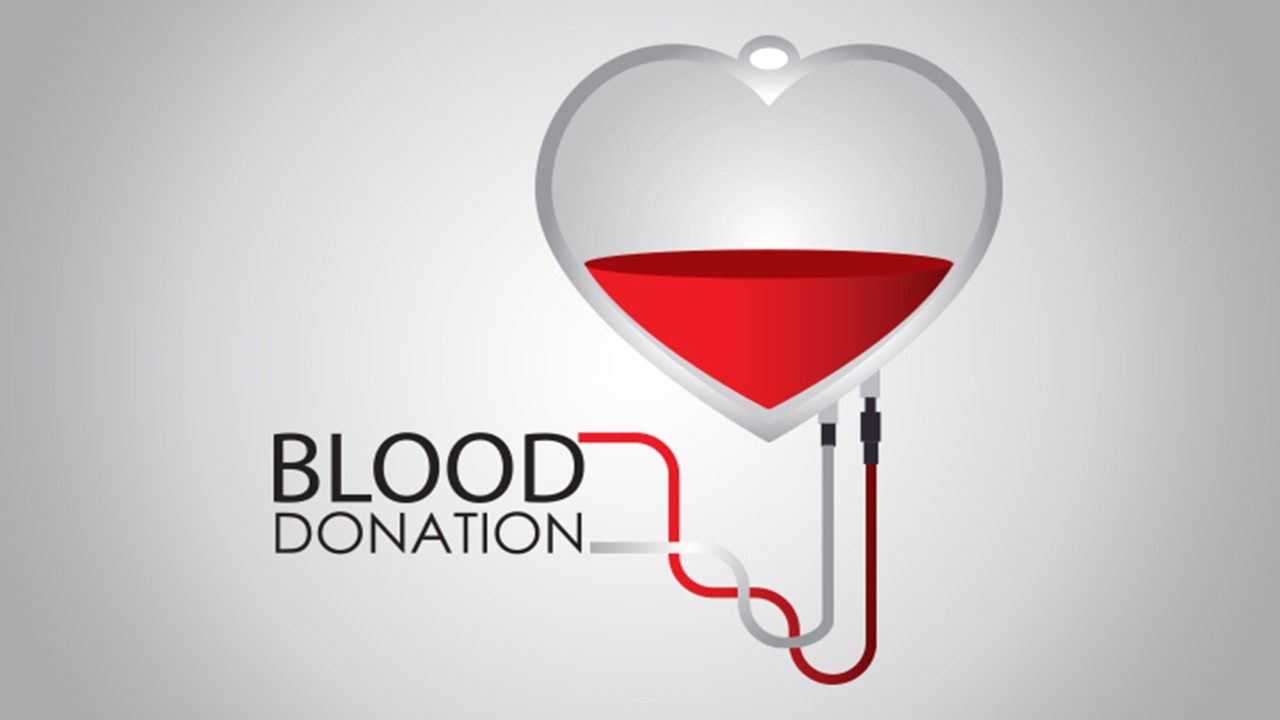
World Blood Donor Day 2025: On June 14, we celebrate World Blood Donor Day, a special occasion to honor all the amazing individuals who selflessly donate blood. Their generosity not only saves lives but also strengthens our communities. It’s a perfect time to express our gratitude to these donors and remind everyone about the ongoing need for safe blood donations.
World Blood Donor Day was established in 2004, thanks to the efforts of the World Health Organization and other organizations. They chose June 14 to coincide with the birthday of Karl Landsteiner, the scientist who discovered the ABO blood group system. Since then, this day has evolved into a significant health event celebrated in over 190 countries, with various nations organizing activities like blood drives and events to honor donors.
World Blood Donor Day 2025 Theme
This year’s slogan is “Give blood, give hope: together we save lives.” It highlights the crucial role blood donors play for those in need and fosters a sense of community. The campaign shares heartfelt stories from individuals who have benefited from blood donations and encourages new donors to step forward.
You can expect activities such as events, workshops, and social media campaigns aimed at celebrating blood donors and sharing inspiring stories. The World Health Organization and its partners have set some important goals for World Blood Donor Day 2025. They aim to raise awareness about the necessity of blood donations, motivate people to donate regularly, and seek government support to enhance blood programs globally.
World Blood Cancer Day: India Faces Rising Threat of Pre-Leukaemia as Population Ages
Eligibility to donate blood
Age: Must be between 18 and 65 years.
Weight: Minimum weight should be 50 kg (for whole blood donation).
Hemoglobin Level: At least 12.5 g/dL (for women) and 13 g/dL (for men), generally.
Health Condition: The donor should be physically and mentally healthy at the time of donation. No chronic diseases or infectious illnesses.
Time Gap Between Donations: Minimum 3 months gap between whole blood donations. For platelet donation, gap is 15 days (apheresis method).
Additional Tips Before Donation
- Eat a light, non-fatty meal 2-3 hours before donation.
- Drink an extra 16 ounces of water before your appointment.
- Avoid smoking or alcohol before and after donating.
- Wear a short-sleeved shirt or a shirt with sleeves that are easy to roll up.
Precautions to keep in mind
- Should not have had a cold, fever, infection, or flu in the last 2 weeks.
- Wait 14-28 days after vaccination (varies by vaccine type).
- You may be temporarily deferred based on the drug or illness.
- Should wait at least 6-12 months after a new tattoo or body piercing.
- Avoid donating during or shortly after menstruation, pregnancy, or breastfeeding (usually wait at least 6 months postpartum).
- Individuals with high-risk behavior or positive history of HIV/AIDS, Hepatitis B/C, Syphilis are permanently disqualified.
World Blood Donor Day 2025: Benefits
Donating blood has benefits for your emotional and physical health. According to a report by the Mental Health Foundation, helping others can:
- Reduce stress
- Improve your emotional well-being
- Benefit your physical health
- Help get rid of negative feelings
- Provide a sense of belonging and reduce isolation
Research has found further evidence of the health benefits that come specifically from donating blood.
A 2017 study suggests that regular blood donations are associated with increased risk of heart disease possibly due to unfavorable cholesterol levels
Side effects of donating blood
Blood donation is safe for healthy adults. There’s no risk of contracting disease. New, sterile equipment is used for each donor.
Some people may feel nauseous, lightheaded, or dizzy after donating blood. If this happens, it should only last a few minutes. You can lie down with your feet up at the until you feel better.
You may also experience some bleeding at the site of the needle. Applying pressure and raising your arm for a couple of minutes will usually stop this. You may develop a bruise at the site.
Call the blood donation center if:
- You still feel lightheaded, dizzy, or nauseous after drinking, eating, and resting.
- You develop a raised bump or continue bleeding at the needle site.
- You have arm pain, numbness, or tingling.
While donating blood can cause minor side effects, it’s an extremely helpful act that can do a lot of good. If you’re thinking of donating blood, you should weigh the disadvantages with the advantages and make a decision that makes sense for you.