


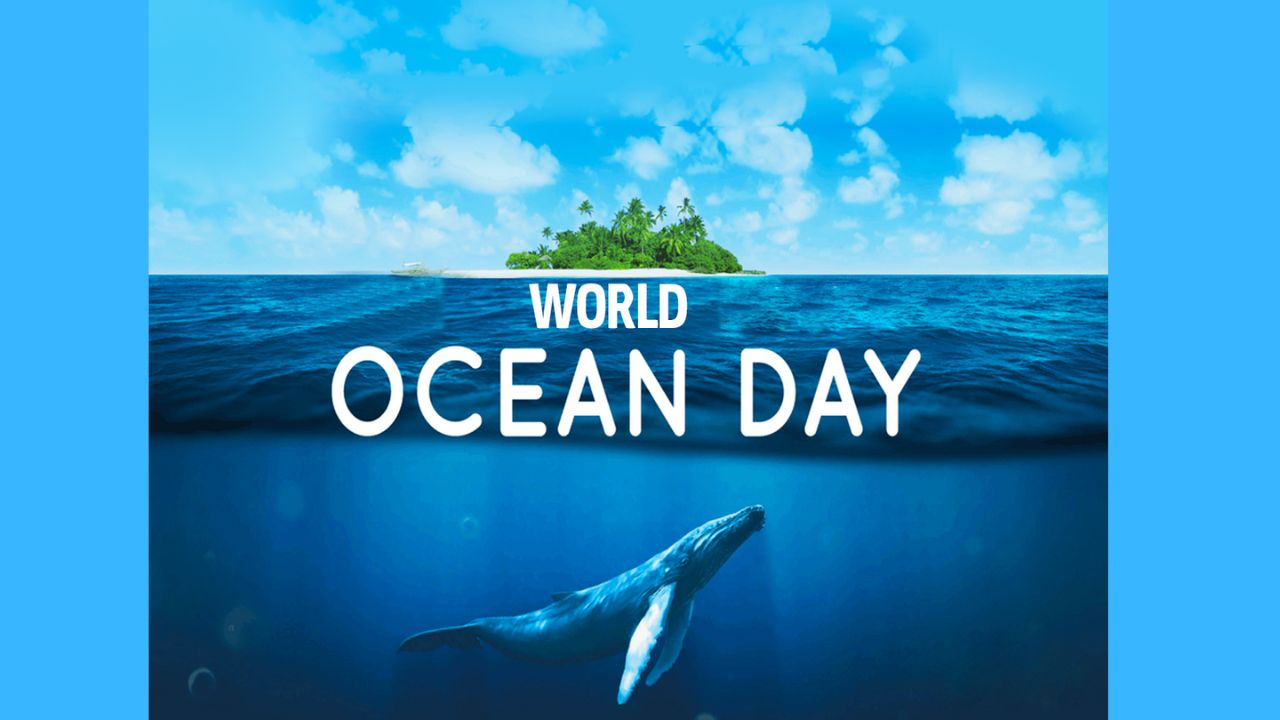
World Oceans Day 2025: The ocean covers 70% of the Earth. Our body is sustained by water itself. Not only human, but it also sustains every other organism on earth. It produces more than 50% of oxygen. It takes care of the whole aquatic biodiversity which is important for environment. Moreover, the ocean is key to our economy with an estimated 40 million people being employed by ocean-based industries by 2030. Oceans absorb about 30% of carbon dioxide produced by humans, buffering the impacts of global warming.
World Oceans Day 2025 Theme
With the rising industrialization, pollution, and negligence of people; 90% of big fish populations is depleted, and 50% of coral reefs is destroyed by now. It is also disturbed by ships, human adventurous activities, and other concerning steps. Contemplating the importance, World Ocean Day is celebrated every year on 8th of June since 1992.
Keeping this in mind the theme of World Oceans Day 2025 is “Wonder: Sustaining what sustains us”. A year marked by the UN Decade of Ocean Science and the celebration of the World Ocean Conference. With this new vision, the day celebrates the wonder that the ocean inspires in us: its beauty, its mystery, and its vital role in our lives and on the planet.
World Oceans Day 2025 is hosted by the Division for Ocean Affairs and the Law of the Sea of the Office of Legal Affairs (DOALOS) in partnership with UN and made possible by Oceanic Global. The word “‘wonder” in the theme highlights the ocean’s essential wonder from all of the wonders it consists of to the wonder it ignites, and call on decision-makers to not lose sight the ocean’s wonder when determining its fate.
History and activities
The first Oceans Day was celebrated on June 8th in 1992 in Rio de Janeiro during the Global Forum, the parallel event of the United Nations Conference on Environment and Development. The United Nations General Assembly proclaimed June 8th as World Oceans Day on December 5th, 2008 by its resolution 63/111, at the initiative of Canada.

On June 8th and 2025, United Nations World Oceans Day will be celebrated in Nice, France, preceding the 2025 UN Ocean Conference. The powerful conjunction of the two key UN ocean events provides an unrepeatable platform to elevate visibility and a collaboratory approach to the ocean.
When the World Oceans Day flag is raised, a moment of global solidarity and momentum for the ocean will be invoked as it helps start the upcoming UN Ocean Conference in Nice. A flag-raising ceremony in front of the Regatta of Boats, against a beautiful treat for eyes, will invite the global ocean community and the public in Nice to share in celebrating this year’s UN WOD theme “Wonder: Sustaining What Sustains Us.” The 2025 UN Ocean Conference will occur between June 9th and 13th, 2025, and is co-hosted by France and Costa Rica.
There are a number of Geneva-based organizations or secretariats that are actively working to protect and restore the oceans, while also working on sustainable blue economy issues as well.
New Ocean Forming in East Africa: Tectonic Shift Set to Reshape the World
Nice Ocean Action Plan
Among the anticipated results, the Conference will adopt, by consensus, a brief, concise, action-oriented and intergovernmentally agreed declaration. This Declaration will be referred to as the “Nice Ocean Action Plan.” Consultations and negotiations, led by Cabo Verde and Australia, have been in progress since last year and resulted in the release of the Zero Draft Declaration on 13 December 2024. Additional informal consultations took place on 24 February 2025 and 10 March 2025 in accordance with the roadmap. After the first round of informal consultations, a revised draft will be distributed and the Political Declaration is expected to be adopted sooner.
About World Oceans
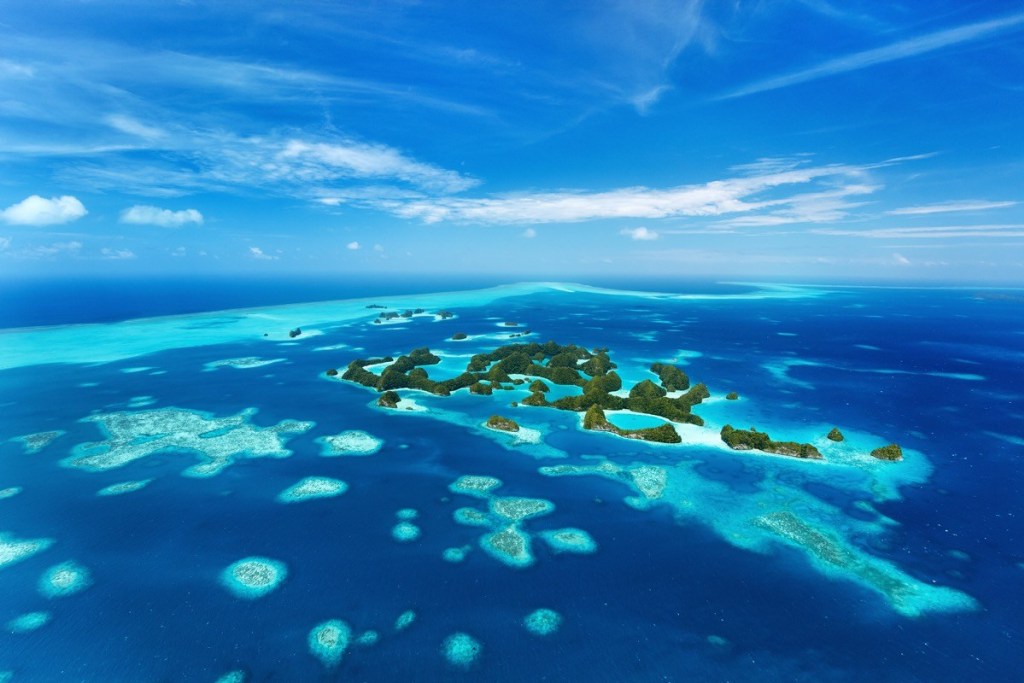
There are five oceans on our planet: the Pacific, Atlantic, Indian, Southern, and Arctic. The biggest ocean in the world is the Pacific. It’s so big, the Pacific Ocean is bigger than all of the land put together! The smallest of the oceans, the Arctic Ocean, is frozen during a great part of the year, but scientists believe that soon much of this ice will disappear as a result of climate change.
Many of the foods we eat come from the ocean, and millions of people around the world are involved professionally in fishing or fish farming. Much of our energy comes from the ocean too, since oil and gas are found under the sea. Today we understand that renewable energy is better for the environment, and we can now create electricity from waves and tide. Most of the things that we own are sent to us by ship via sea, and people travel by boat. The coast is also a place where people live and have fun. Lots of people like to spend their leisure time and vacation time at the beach!
How can we save the oceans?
There are billions and billions of pieces of plastic in our oceans. There are five enormous patches of plastic in the oceans around the world. One patch in particular, known as the ‘Great Pacific Garbage Patch’, measures 1.6 million square kilometres – that’s about seven times the size of the UK! Plastic in oceans is killing fish, birds, turtles and other sea creatures. It’s also dangerous for our health, because fish eat the tiny pieces of plastic and then humans eat the fish.
These steps may help in saving oceans a Ross the world:
- Use less water so excess runoff and wastewater will not flow into the ocean.
- Choose nontoxic chemicals and dispose of herbicides, pesticides, and cleaning products properly.
- Choose sustainable seafood. Buy less plastic and bring a reusable bag.
- Choose energy efficient light bulbs and don’t overset your thermostat.
- Choose Ocean-Friendly Products
- Volunteer for cleanups at the beach and in your community. You can get involved in protecting your watershed too!
Protecting the ocean should not solely be the responsibility of governments or great organizations; each day, little by little can make a big difference. You can contribute significantly to marine conservation by reducing plastic, saving water, ensuring sustainable seafood, and participating in the cleanup activities. Plastic pollution in the ocean is among the challenges we face together; working toward a healthier future for the planet means we all take responsibility for our actions.