
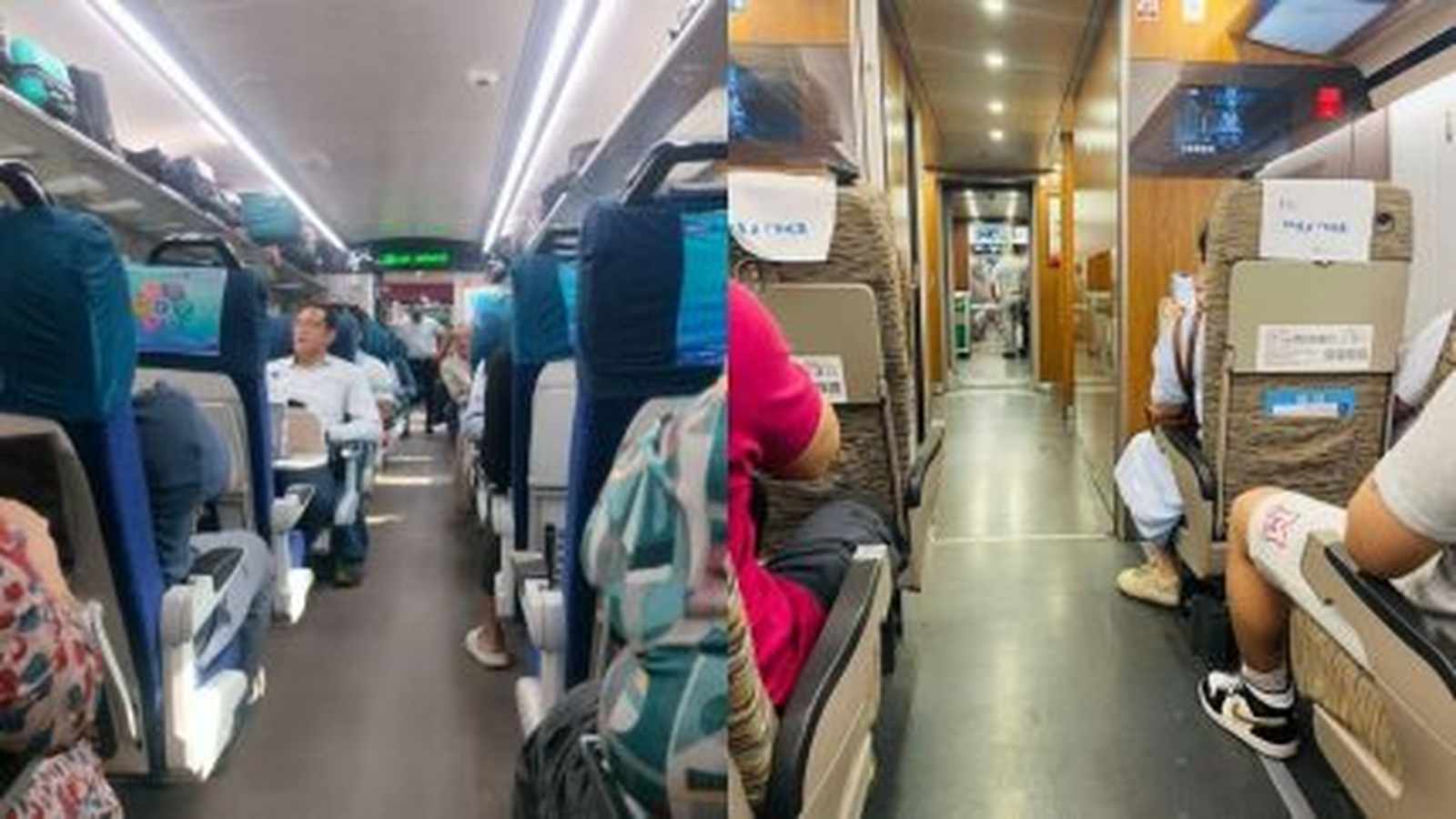
270 Km in 1 Hour vs 260 Km in 3 Hours: The social media post which compares train travel on China high-speed railway to Indian Vande Bharat Express service has gained popularity on the internet while it has generated debates about India’s upcoming rail transportation development.
In a viral X (formerly Twitter) post, a woman shared her brother’s firsthand travel experiences, one on a Chinese high-speed train and another on India’s much-talked-about Vande Bharat service.
China’s High-Speed Advantage
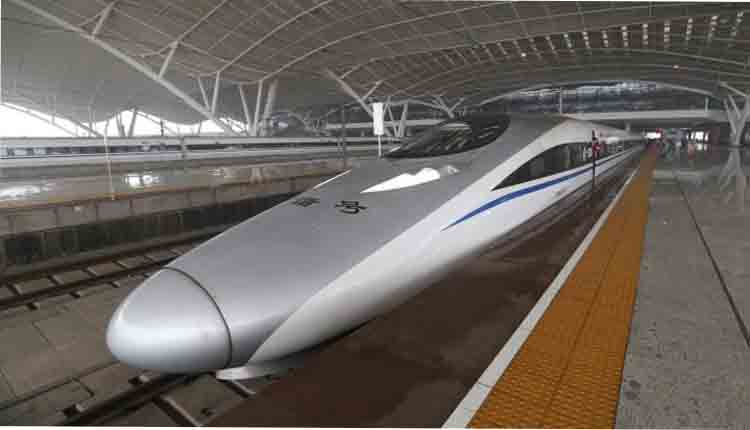
According to the viral snippet, the Chinese high-speed train covered about 270 km in nearly one hour, travelling at speeds around 300 km/h, with a fare of approximately ₹1,600 for the journey. This reflects the realities of China’s extensive high-speed rail network, one of the largest in the world, with trains regularly operating at top speeds between 300-350 km/h on major corridors.
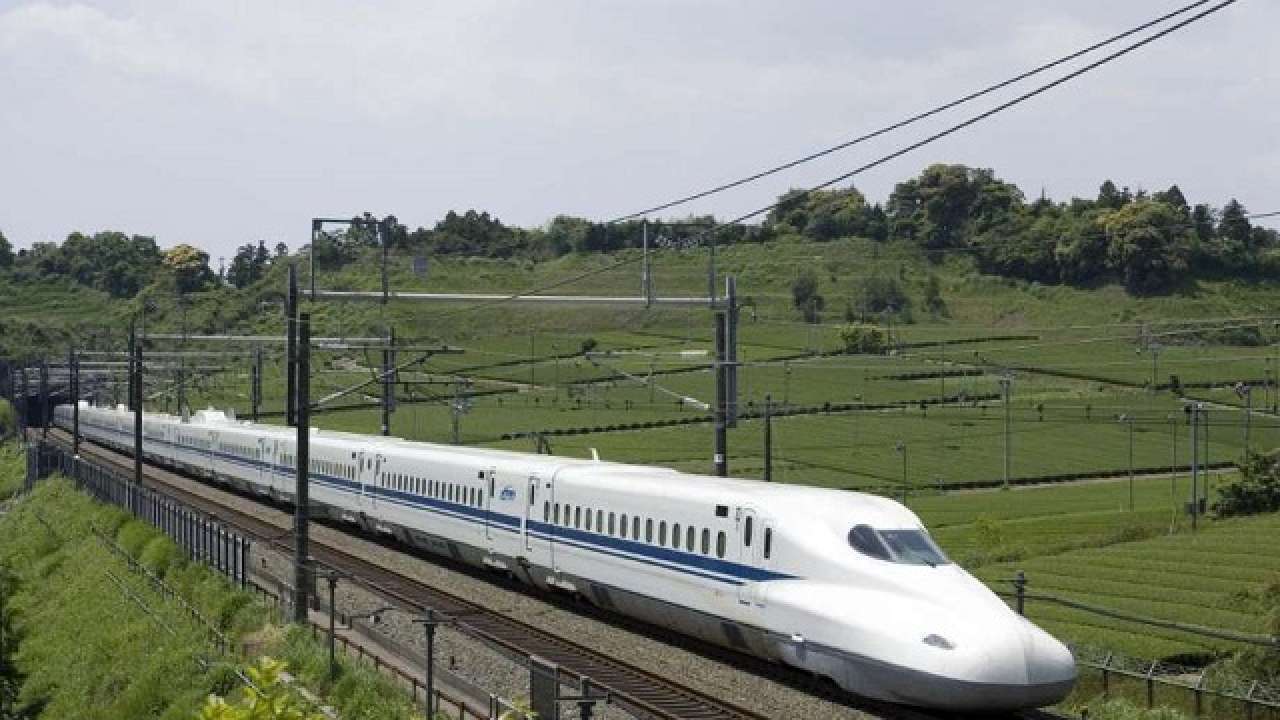
China’s investment in advanced rail technology since the early 2000s has allowed average and peak speeds far above what most conventional systems offer.
Namma Metro Early Operations on March 1: Bengaluru Metro to Run From 5 AM, BMRCL Full Details
India’s Vande Bharat

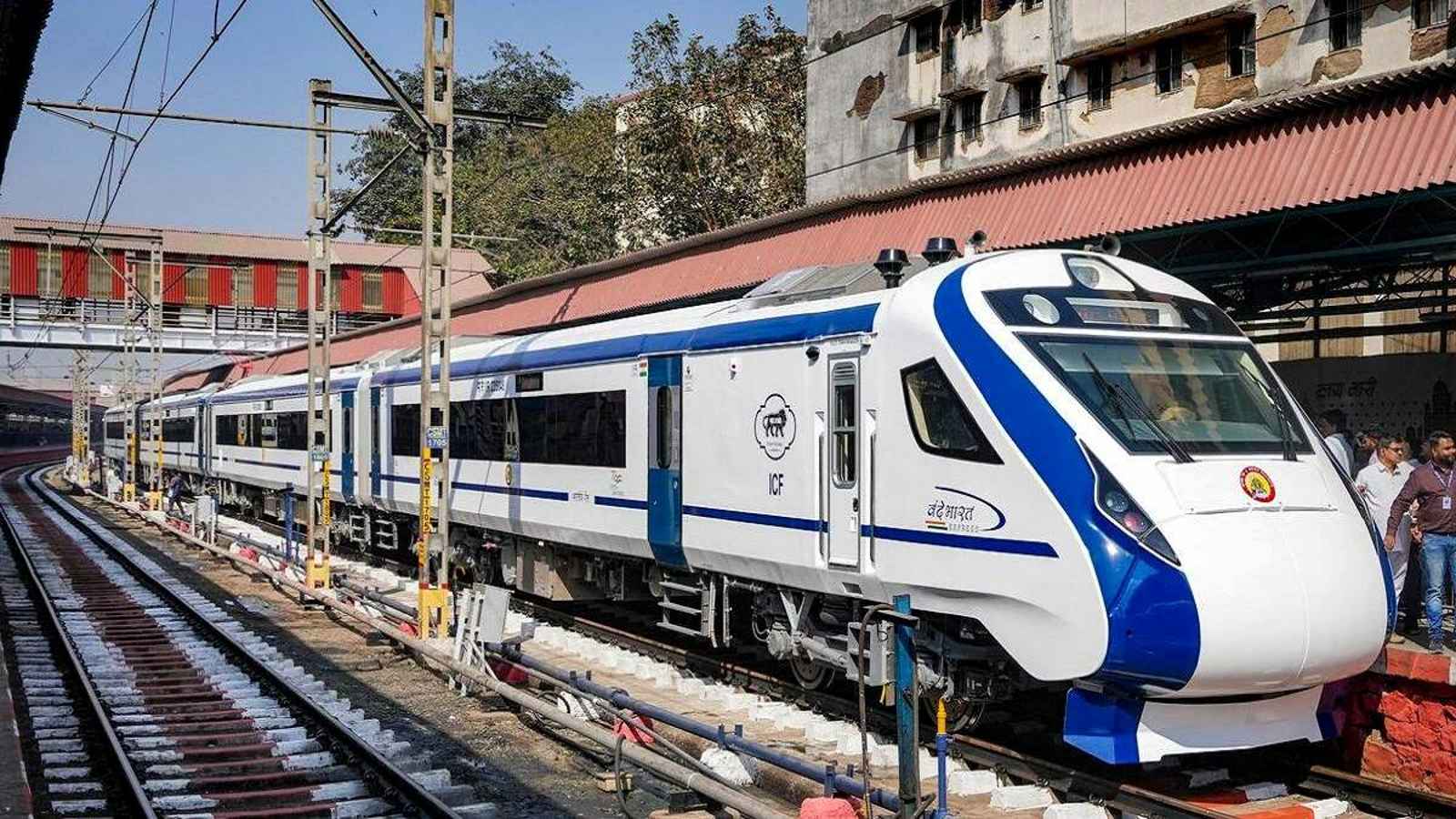
By contrast, the same traveller’s experience in India on the Vande Bharat Express covered a roughly similar distance about 260 km but took around three hours, with a ticket costing about ₹1,050 under the Tatkal scheme. In these services, the train often operates at much lower average speeds typically under 100 km/h on most routes due to track limits, signalling and traffic considerations.

Vande Bharat trains are considered “semi-high-speed” rather than true high-speed rail by international standards. The trains themselves are technically capable of higher velocities in trials, newer versions have achieved up to 180 km/h, and future designs are planned for even faster operation.
270 Km in 1 Hour vs 260 Km in 3 Hours: Why the Big Difference?
This comparison underlines a key reality: India and China are at very different stages of rail modernisation. The high-speed network in China extends for thousands of kilometers and contains dedicated tracks which use advanced technology to support high-speed trains. The system enables trains to maintain cruising speeds above 300 kilometers per hour because they experience only minor disruptions from slower running trains.
My brother was on a trip to China and took the first photo there. He took the second photo on the Vande Bharat train.
His experience in China:
~ 300 km/h speed
~ Paid ₹1,600 for 270 km
~ Travel time: ~1 hourHis experience in Bharat:
~ 95 km/h speed
~ Paid ₹1050 for 260 km… pic.twitter.com/NW8q5jGBFN— Nalini Unagar (@NalinisKitchen) February 27, 2026
In just a few hours, this post went viral on social media, and a lot of netizens shared their own comparison of rides.
One user commented, “We are a developing country; soon we will reach 300 km/h speed.”
Another X user wrote, “India will take its own sweet time to reach where China is today because we have democracy. China developed faster due to dictatorship.”
What Experts Say?
Rail experts observe that India is changing its rail system into a new design yet they estimate that it will take time to match existing high-speed train systems.
Vande Bharat represents a major leap in modern train design, passenger experience and self-propelled EMU technology, but sustained high-speed operations depend on track modernisation and dedicated corridors projects that require long-term planning and investment.