


Ayurvedic Diet for Brain Development: According to Ayurveda, food equals medicine, and what you consume has a significant impact not only on your body but also on your mind, memory, intelligence, and emotional balance. The science of life refers to brain as Uttamottar Sharir (the superior organ), which is not only nourished by nutrients but also by mindful eating, dosha harmony, and lifestyle practices.
Why Brain Nutrition Matters?

According to Ayurveda, it is necessary that the Agni (digestive fire) be strong and the Doshas (Vata, Pitta, Kapha) be in balance so as to properly nourish Majja Dhatu, the tissue of the brain and nervous system. Indigestion leads to the production of Ama (toxins), which causes dullness of the mind, reduction in clarity, and memory impairment.
Food that supports brain function must:
- Balance the doshas
- Ensure good digestion and nutrient absorption
- Nourish Majja Dhatu & Ojas (vital life energy)
- Help in reducing inflammation and stress
Ayurvedic Diet for Brain Development
1. Ghee

In Ayurveda, ghee is a Medhya Rasayana (mind-nourishing tonic). It makes memory stronger, adds to the function of nerve, and carries the nutrients that are needed for deep tissues. One teaspoon of warm ghee daily is a great support for clarity and emotional balance.
How to use:
- Ghee can be added to khichdi, dal, or rice
- Mix a little warm water with turmeric and ghee and take it before going to bed
2. Nuts, and Seeds
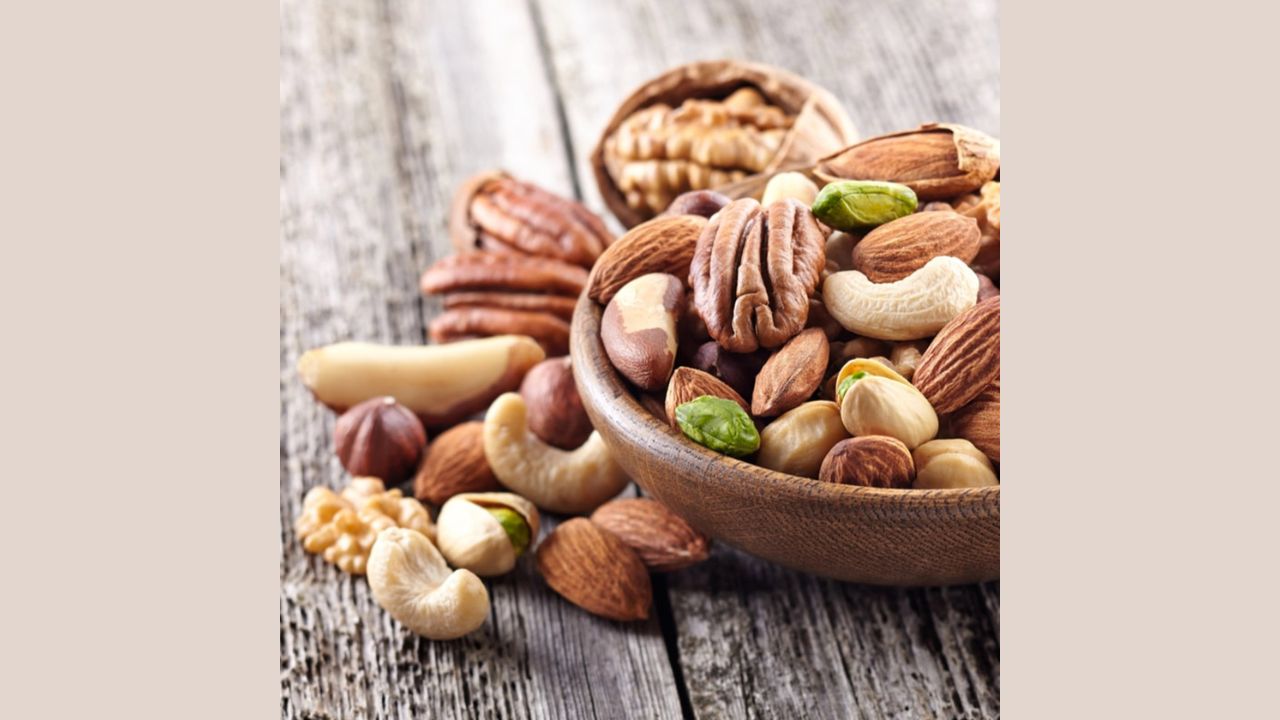
Almonds, walnuts, sesames, and pumpkin are good sources of omega-3s, vitamin E, and minerals. These are the nutrients that Ayurveda recommends for the nourishment of Majja Dhatu and focus enhancement. Soak and eat the nuts to make them more digestible.
How to use:
- Start your day with a handful of soaked almonds and walnuts
- Add seeds to your morning meal or a smoothie
3. Antioxidants
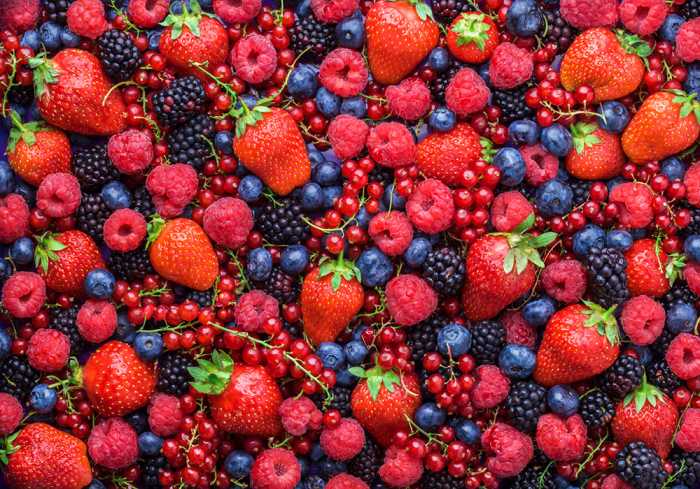
Antioxidants are the protective agents of brain cells against oxidative damage which is the major cause of aging and loss of cognitive abilities.
Some of the best antioxidant foods are:
- Berries (especially blueberries)
- Dark leafy greens (spinach, kale)
- Dark chocolate
These foods not only keep the brain healthy at present but also improve memory function.
4. Vitamins, and Minerals

Here are some of the most important vitamins and minerals for brain health:
- Vitamin D: It supports neuron function
- Vitamin B: They are the main energy producers and neurotransmitters synthesizers
- Iron: It helps oxygen to reach the brain
All these nutrients are found in such foods as eggs, spinach, dairy, and fortified cereals and are good for both growing and mature brains.
5. Healthy Fats, and Oils
Even though not explicitly stated in Ayurveda, foods rich in omega-3 fatty acids like fish and seeds are essential for the formation of neuronal membranes and hence, cognition enhancement. In Ayurvedic meals, these are paired with digestive spices like black pepper and turmeric for better absorption.
Top Ayurvedic Brain Foods, and Herbs
According to Ayurveda, certain foods and herbs are classified as Medhya which means that these are specifically beneficial for memory, intellect, and mental balance:
1. Brahmi (Bacopa monnieri)
Brahmi is one of the traditional Ayurvedic Medhya herbs that is known to facilitate memory, calm anxiety, and support neurotransmitter balance.
The ways to consume:
- Brahmi tea or powder with warm milk
- Taking Brahmi supplement (getting advice from a practitioner)
2. Gotu Kola, Mandukparni (Centella asiatica)
It was initially used for improving brain circulation and mental alertness, but now it is found that this herb also relieves stress and supports the learning process.
3. Vacha (Acorus calamus)
One of the ancient texts advocated the use of Vacha to help speech become clear, memory, and concentration.
4. Turmeric, and Black Pepper
Turmeric’s curcumin unit that supports neuroprotection is the one that travels through the blood-brain barrier; it is the black pepper that makes its assimilation possible and supports digestion good for Kapha balancing and Agni strengthening.
5. Amla (Indian Gooseberry)
Carry a load of vitamin C and antioxidants, amla is a nerve-strengthening and detox-promoting fruit that is a must for cognitive longevity.
Ayurvedic Alternatives For Junk Food: Weekly Ayurvedic Snack Plan
Ayurvedic Eating Habits for Mental Sharpness
Ayurveda not only stresses the significance of the food consumed but also the manner of eating them:
Mindful, Sattvic Meals: Foods that are light, fresh, and pure (sattvic) such as fresh fruits, cooked vegetables, grains, dairy, and herbs help calm the mind and promote clarity. Ayurveda recommends not to reheat any food that has been cooked; it is better to consume the food right after the preparation.
Digestive Spices: Spices such as cumin, fennel, coriander, ginger, cinnamon, and cardamom not only facilitate digestion and increase Agni but also help nutrient absorption which is the basis of brain nourishment.
Warm, Cooked Meals: Ayurveda does not approve of cold, raw, or hard to digest foods because Vata that can lead to restlessness and forgetfulness. Warm, moist foods such as soups, stews, dals, and khichdi are the best.
Lifestyle Practices to Support Brain Function
Along with food, Ayurveda also suggests daily habits that have the power to improve brain health:
Meditation & Pranayama: Breathing exercises, Anulom Vilom, and Bhramari, for instance, calm the mind, relieve stress and balance Vata, Pitta, and Kapha energies.
Abhyanga (Oil Massage): A head massage with Brahmi or Bhringraj oil not only helps the brain get more blood but also calms the nervous system.
Regular Sleep Routine: Sleep at the same time every day refreshes the nervous system and helps the process of memory consolidation. For a better sleep quality, keep away from screens before going to bed.
Real brain health is not only about the specific nutrients it is rather the comprehensive system of nourishment, balanced digestion, mental peace, and daily habits based on Ayurveda. Moreover parents should follow these steps in their daily routine to enhance nourishment in their children:
- Let children help with food preparation, it increases their willingness to try new foods.
- Create weekly menus that include a variety of brain nutrients.
- If possible, make the food look colourful and eye pleasing because children tend to notice colours more than the taste.
- Make it a habit, to chant any mantra or simply thank God before taking the first bite.
If you are following these Ayurvedic rules, you are not simply feeding your brain but you are energizing your intelligence, memory, creativity, and emotional resilience.