

Ayurvedic Herbs Associated With Navratri: Navratri is a festival that takes place biannually at the beginning of each season once in spring (Chaitra) and once in autumn (Sharad). According to Ayurveda, this time is called Ritu Sandhi or the point of meeting of two seasons when the body is more susceptible to disorders.
Ayurvedic Herbs Associated With Navratri
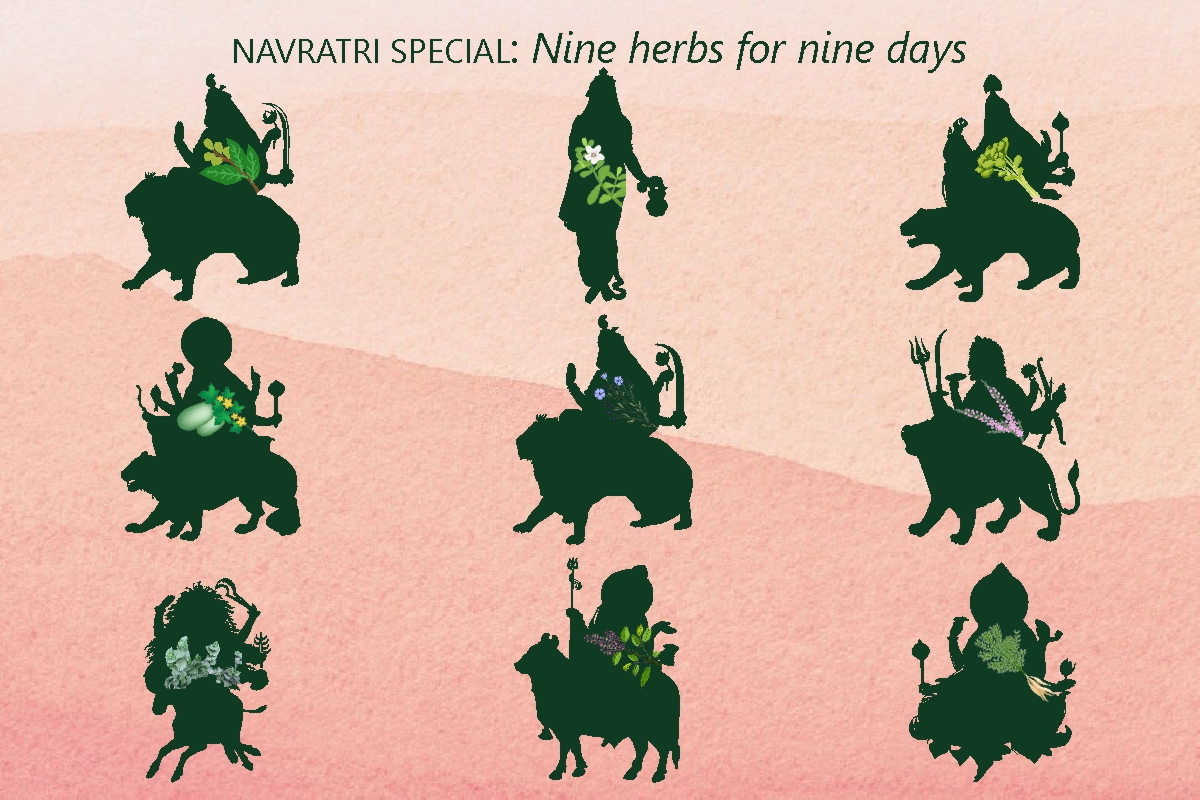
In some beliefs, Navratri is also linked with nine-ness of Ayurvedic herbs that are said to be in correlation with the nine forms of Goddess Durga. The Connection of Navratri and Ayurveda herbs is through the legend mentioned in the Markandeya Purana, which describes each of the nine days of Navratri as the one of the nine forms of Goddess Durga and the one Ayurvedic herb.
These herbs have been given symbolic and medicinal properties that are supposed to improve the state of health. Help to balance the body-vital energies, and to facilitate the spiritual and physical purification that is naturally involved in the festival’s rituals like fasting.
Navratri Day 1: Maa Shailputri x Harad (Terminalia chebula)
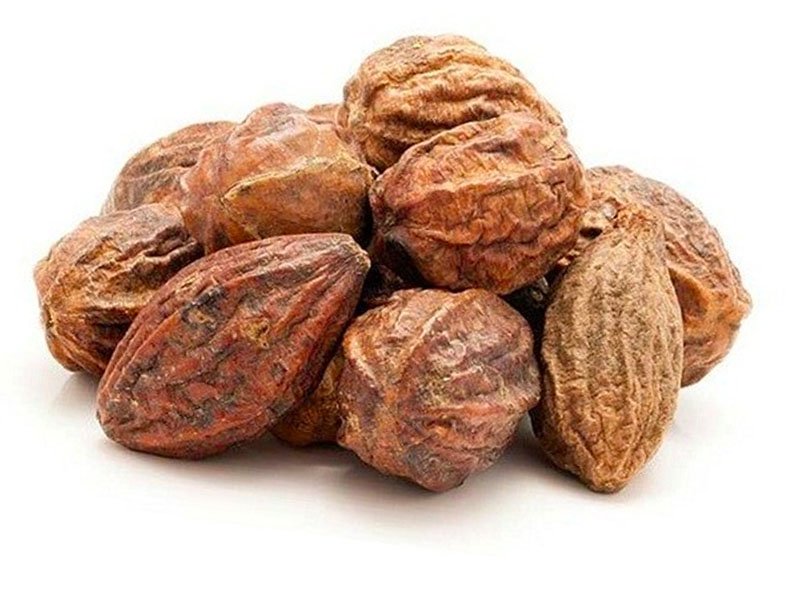
We pray to Maa Shailputri on the first day of Navratri. She is a symbol of purity, power, and stability, being the daughter of the snow-capped mountains.
In Ayurveda, these divine features of the goddess correspond to the fruit of the Haritaki, Terminalia chebula (Harad), which is called the “Mother of Herbs”.
Haritaki benefits:
- Cleanse the body totally and get rid of Ama (toxins)
- Increase digestion and turn the stool normal.
- Raise the body’s defense system and vigor
- Contribute to presence and promote tranquility
- Help in achieving long life and in making the body healthy as a whole.
Just like how Mother Shailputri roots us in power, Haritaki also roots us in health as it cleanses, balances, and nourishes from within.
Navratri Day 2: Maa Bramacharini x Brahmi (Bacopa monnieri)
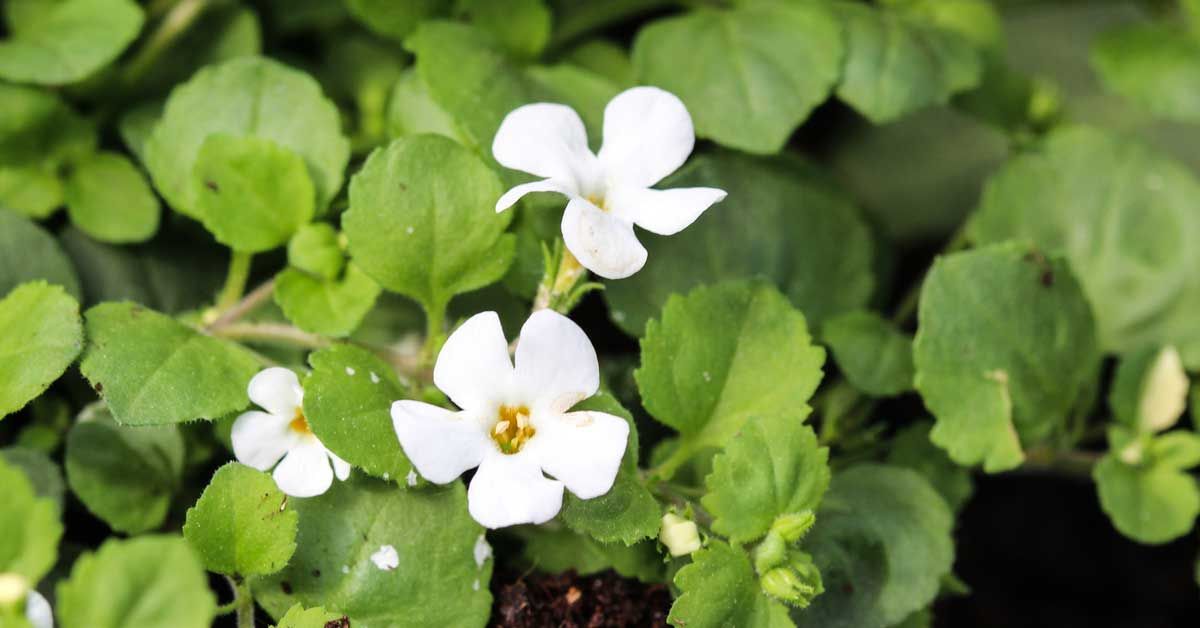
We pray to Maa Brahmacharini on the second day of Navratri. She is the Goddess of asceticism, wisdom, and spiritual strength. She motivates us to be disciplined, meditate, and be self-controlled.
In Ayurveda, the divine features of the goddess glow through the one and only Brahmi, the herb of concentration and serenity.
Brahmi (Bacopa) Benefits:
- Memory is gotten and concentration is sharpened
- Removes stress, anxiety and irritation
- Sleep and mind get balanced
- Given the physical and nervous systems are both strong and the body is prepared for learning
- The nervous system is made pleasant emotionally and the inner self receives tranquility
The same way that Goddess Brahmacharini taught us discipline and tapas, Brahmi helps the mind and the soul to have a clear mind, to be at peace and to have the wisdom.
Ayurvedic Herbs Associated With Navratri
Navratri Day 3: Maa Chandraghanta x Chandrasoor (Lepidium sativum)

Third day of Navratri, we worship Maa Chandraghanta, who stands for fearlessness, gentleness, and equilibrium.
In Ayurveda, this day is associated with the seeds of Lepidium sativum (Garden Cress Seeds). It is a small seed with big healing power.
Chandrasoor Benefits:
- Increases iron and hemoglobin; An effective and totally natural way of treating anemia
- Immunity and digestion level are raised
- Post-delivery care is encouraged
- Bones and joints get strengthened
- It is a good source of protein, omega-3, and antioxidant Vitamin C
Mother Chandraghanta in the same way manages the balance between her fierce and gentle aspects, and thus the strength and nutrition from within are balanced by Chandrashoor.
You can experience Ayurveda’s miracle at this Navratri by simply adding it to ladoos, kheer, or warm milk.
Navratri Day 4: Maa Kushmanda x Kushmanda (Benincasa hispida)
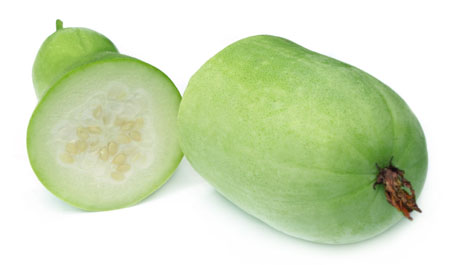
On the fourth day of Navratri, we worship Maa Kushmanda. She is the Goddess who created the universe with her radiant smile. She is the one who epitomizes life-force, good health, and creative energy.
In Ayurveda, these unique aspirations are mirrored in Kushmanda (Ash Gourd / Winter Melon), a cool and soft fruit-herb that offers same energy.
Kushmanda (Ash Gourd) Benefits:
- Really cool the body and balance Pitta dosha
- Make to the whole body energetic and relieve the tiredness
- Enhance the functionality of digestion and gut health
- Improve the memory power and also relax the nervous system
- Provide the heart with good health and support immunity
In the same way as Maa Kushmanda lights up the universe, Kushmanda lights up our system with prana (life force) thus cooling, energizing, and rejuvenating us from the inside out.
Navratri Day 5: Maa Skandmata x Alsi (Linum usitatissimum)

On the fifth day of Navratri, we worship Maa Skandmata the divine mother of Lord Kartikeya, sign of motherhood, feed, and mercy. She imparts her devotees with wisdom, wealth, and power.
In Ayurveda, these attributes are represented by Alsi Beej (Flax Seeds), minute seeds filled with potent nutrition and healing vigor.
Benefits of Alsi Beej (Flax Seeds):
- One of the richest sources of Omega-3 fatty acids, which is essential for heart & brain health
- Supports the endocrine system, especially the female reproductive system
- Strengthens the digestive functions and relieves constipation
- Helps to the skin to glowing and strengthen hair
- Eliminate the inflammation and help to the body resist diseases
Likewise, as Maa Skandmata feeds her child and followers, Alsi Beej feeds us from our inside making us safe, stable, and energizing our body.
Navratri Day 6: Maa Katyayani × Machika (Hibiscus cannabinus)
On the 6th day, we pay homage to Maa Katyayani. She is the fierce warrior Goddess who annihilates evil, comforts bravery, and blesses her followers with power and protection.
In Ayurveda-herb imagery, her corresponding herbal partner is Machika (also referred to as Moiya / Tamārix gallica)
Benefits of Machika / Moiya:
- Works as a styptic that helps bleeding control as well as cure in bleeding disorders (Raktapitta).
- Provide injuries with recovery power and heal the inflammation of eczema
- Help the throat and voice to become healthy (Kantha ama)
- Help to balance Kapha and Pitta doshas in specific situations
Navratri Day 7: Maa Kalaratri × Naagdon (Euphorbia tithymaloides)
On the seventh day of Navratri, we worship Maa Kalaratri, the fierce and protective form of Goddess Durga. She is the one who represents the power of getting rid of negativity, fear, and darkness, thus, giving eagerness and safety to her followers.
Naagdon (Euphorbia tithymaloides) is a herb famous for its detoxification and protection qualities. This is the energy of transformation that aligns with Kalaratri in Ayurveda. Naagdon, known as the natural healer, detoxifies the body, eliminates the pollutants and protects us against diseases.
Benefits of Naagdon (Euphorbia tithymaloides):
- Powerful detoxifier and blood purifier
- Alleviates chronic cough and respiratory problems
- Encourages wound healing and skin support
- Strengthens immunity and protects against infections
- Helps in treating digestive disorders
Similarly, as Maa Kalaratri kills demons and cleanses the way, Naagdon purifies our inner system, keeping us free from toxins and bringing back our normal state.
Magha Gupta Navratri 2025: Dates, Timings, Rituals and More
Ayurvedic Herbs Associated With Navratri: Navratri Day 8: Maa Mahagaurai × Tulsi (Ocimum sanctum)
On the eighth day of Navratri, we worship Maa Mahagauri, the goddess of purity, peace, and divine grace. She is the one who represents inner cleansing, tranquility, and rejuvenation.
These gods’ characteristics can be seen in the Ayurvedic world associated with the Tulsi (Holy Basil / Ocimum sanctum), often referred to as the “Queen of Herbs.” Tulsi is an herb that uplifts the body, mind, and environment, and therefore it is a vitality and spiritual clarity provider.
Benefits of Tulsi (Ocimum sanctum):
- Acts as an organic purifier and detoxifier
- Heals the lungs and respiratory system
- Makes the mind clear and relieves stress
- Strengthens body’s defenses and keeps you from catching virus
- Helps in Kapha and Vata dosha balance
Like the time Maa Mahagauri was shining purity and beauty, Tulsi was polishing our body and mind, providing tranquility as well as strength from the divine source.
Navratri Day 9: Maa Siddhidatri × Shatavari (Asparagus racemosus)
On the 9th and last day of Navratri, we worship Maa Siddhidatri, the fountain of intelligence, sufficiency, and spiritual powers (siddhis). She is the one who represents nurture, wholesomeness, and divine grace.
In Ayurveda, this energetic and joyful personality is Shatavari (Asparagus racemosus), a revitalizing herb that is called the “queen of herbs” for women. Shatavari deeply nourishes the body, increases the life force, and energizes the physical and spiritual parts of a person.
Benefits of Shatavari (Asparagus racemosus):
- Feeds the reproductive and hormonal health
- Gives energy, liveliness, and endurance
- Raises the immune system power and general health
- Strengthens digestion and reduces acidity
- Relaxes the brain and makes the emotional part balanced
As a matter of fact, when Maa Siddhidatri allows her devotees to attain perfection and divine powers, Shatavari grants and she nourishes the body, making the person healthy, balanced, and spiritually energetic.
Consuming these herbs day wise not only provide the above mentioned benefits but also aids in spiritual and mental upliftment. These particular herbs mentioned for each form of Durga is very much associated to making her happy on Navratri according to some texts. It might feel like something very obnoxious but the science of Ayurveda not only teaches us treating patients but also the way of living. Wikipedia and other sources considers Ayurveda as a “pseudoscience” because they believe the line of treatments are not scientifically proven.
But there have been several scientific researches showcasing how using these herbs influence physical, mental and spiritual growth. So adopt Ayurvedic measures and incorporate these herbs in your daily life.