
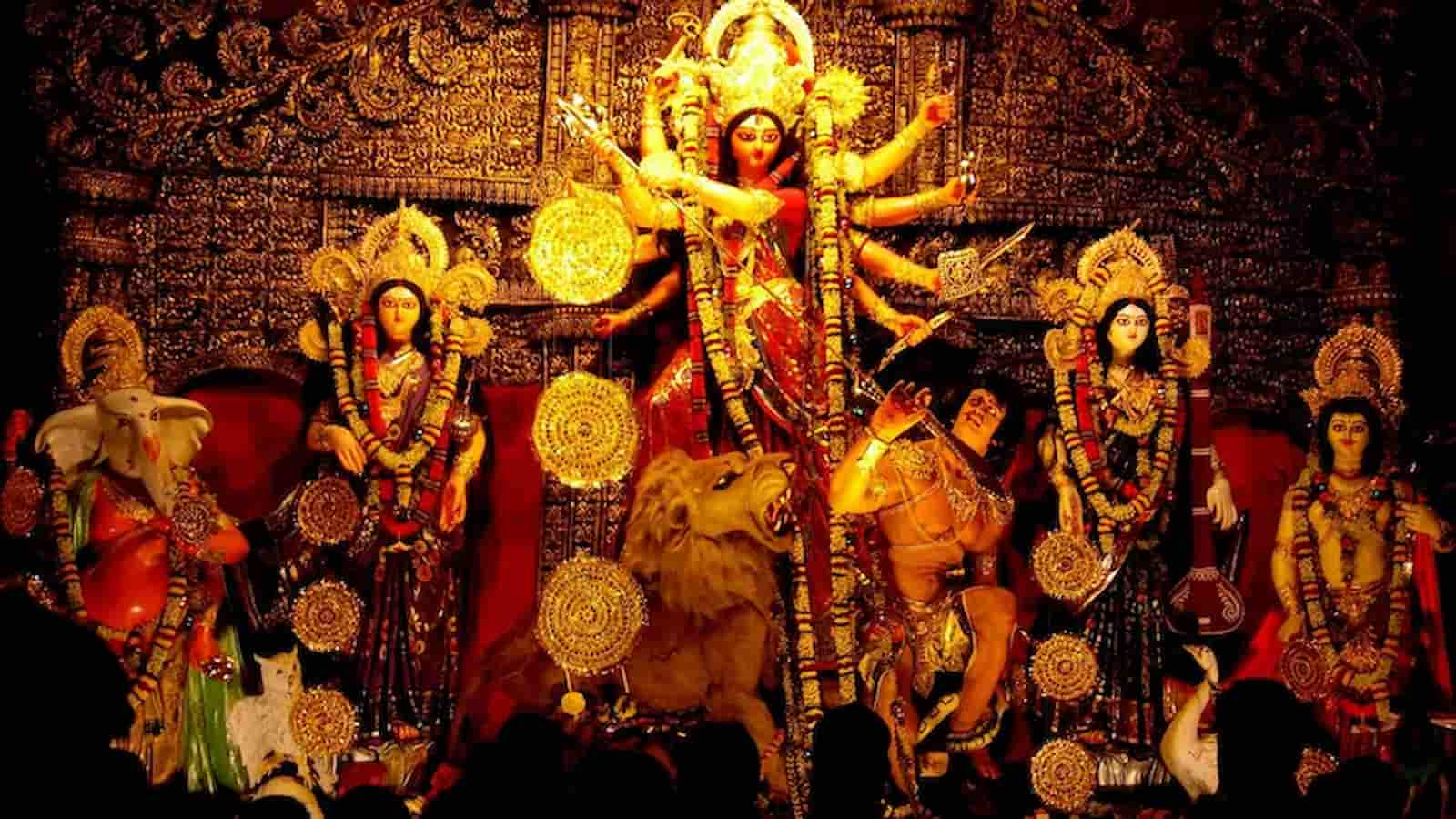
Magha Gupta Navratri 2025: Magha Gupta Navratri is an important festival in Hinduism that celebrates the power and divine energy of Goddess Durga. It will be observed from January 30, 2025, to February 7, 2025, and last for 9 days. This festival is unique in that it focuses on the worship of the ten Mahavidyas, who represent various forms of the divine feminine energy.
What is Magha Gupta Navratri?
Magha Gupta Navratri is different from the more widely known Chaitra Navratri and Sharad Navratri. While these festivals celebrate the nine forms of Goddess Durga, Magha Gupta Navratri is dedicated to the ten Mahavidyas, who are powerful goddesses symbolizing different aspects of feminine divinity.
Dates of Magha Gupta Navratri 2025
- Day 1: January 30, 2025 (Thursday) – Pratipada
- Day 2: January 31, 2025 (Friday) – Dwitiya
- Day 3: February 1, 2025 (Saturday) – Tritiya
- Day 4: February 2, 2025 (Sunday) – Chaturthi
- Day 5: February 3, 2025 (Monday) – Panchami
- Day 6: February 4, 2025 (Tuesday) – Shashthi
- Day 7: February 5, 2025 (Wednesday) – Saptami
- Day 8: February 6, 2025 (Thursday) – Ashtami
- Day 9: February 7, 2025 (Friday) – Navami
Education level of 46 pc candidates in Delhi polls between classes 5, 12: ADR analysis
Magha Gupta Navratri 2025: Day-by-Day Rituals
Each day of Magha Gupta Navratri is dedicated to a specific form of Goddess Durga.
- Day 1 – Shailputri Puja: Install the sacred pot and offer white items made from cow’s ghee.
- Day 2 – Brahmacharini Puja: Offer Mishri and Panchamrit for peace and longevity.
- Day 3 – Chandraghanta Puja: Present milk and milk-based items to alleviate sorrows.
- Day 4 – Kushmanda Puja: Offer Malpua to enhance intelligence.
- Day 5 – Skandamata Puja: Worship with bananas for maternal blessings.
- Day 6 – Katyayani Puja: Offer jaggery and sweets for strength.
- Day 7 – Kalaratri Puja: Light lamps and offer black sesame seeds for protection.
- Day 8 – Mahagauri Puja: Offer white flowers and rice for purity.
- Day 9 – Siddhidatri Puja: Conclude with prayers for wisdom and success.
Magha Gupta Navratri 2025: Auspicious Timing for Ghatasthapana
The Ghatasthapana ritual marks the beginning of the Navratri celebrations. According to India Times, the timings are as follow
- First Muhurta: January 30, from 9:25 AM to 10:46 AM
- Abhijit Muhurta: January 30, from 12:13 PM to 12:56 PM
- The total time for Ghatasthapana is 43 minutes.
The alignment of Shravan and Dhanishtha Nakshatra with Vyatipat Yoga on this day is regarded as a highly favorable time for worship. Performing Ghatasthapana during these moments is thought to synchronize with cosmic energies, ensuring the blessings of the divine.
The Significance of the Festival
Magha Gupta Navratri holds great spiritual significance. It is a time for devotees to reflect on themselves, cleanse their minds and souls, and seek spiritual growth. During these nine days, devotees perform various rituals and ceremonies to purify themselves and invite blessings from Goddess Durga. The main goal is to seek her protection, strength, and prosperity while overcoming obstacles in life.
EPFO New Rule: Important Update on EPF Transfers and Personal Updates
What things are required for Ghatasthapana Puja?
- Wide Clay Pot: For sowing Sapta Dhanya (seven grains).
- Clean Soil: To fill the pot and create a base.
- Sapta Dhanya: Seeds of seven different grains (e.g., barley, wheat).
- Small Clay or Brass Pitcher (Kalash): To hold sacred water.
- Sacred Water: Preferably Ganga Jal.
- Sacred Thread (Moli/Kalaya): For tying around the Kalash.
- Scent/Perfume: For offering.
- Betel Nuts (Supari): To place in the Kalash.
- Coins: To be added to the Kalash.
- Leaves: Five leaves from an Ashoka or Mango tree.
- Lid for the Kalash: To cover it after filling.
- Raw Rice (Akshat): Unbroken rice to place on top of the lid.
- Unpeeled Coconut: Wrapped in red cloth.
- Flowers and Garlands: Preferably marigold.
- Durva Grass: For offerings.
How to Perform the Ghatasthapana Puja at Home?
Set Up the Kalash
- Fill a pot (Kalash) with sacred water.
- Add betel nuts, coins, Durva grass, and rice (Akshat).
- Place five leaves on the rim of the Kalash.
Prepare the Coconut
- Wrap an unpeeled coconut in a red cloth.
- Tie it with a sacred thread and place it on the Kalash.
Final Arrangement
- Place the Kalash in a pot filled with sown grains.
- Keep a picture or idol of Goddess Durga nearby.
- Decorate with flowers and garlands.
Lighting Lamps & Aarti
- Light lamps in the morning and evening.
- Perform Aarti daily; some families keep a continuous lamp (Akhand Jyot) for nine days.
Prayers & Offerings
- Chant Goddess Durga’s mantras or any simple prayers.
- Offer fresh flowers daily.
- Keep the soil bed moist by sprinkling water regularly.