
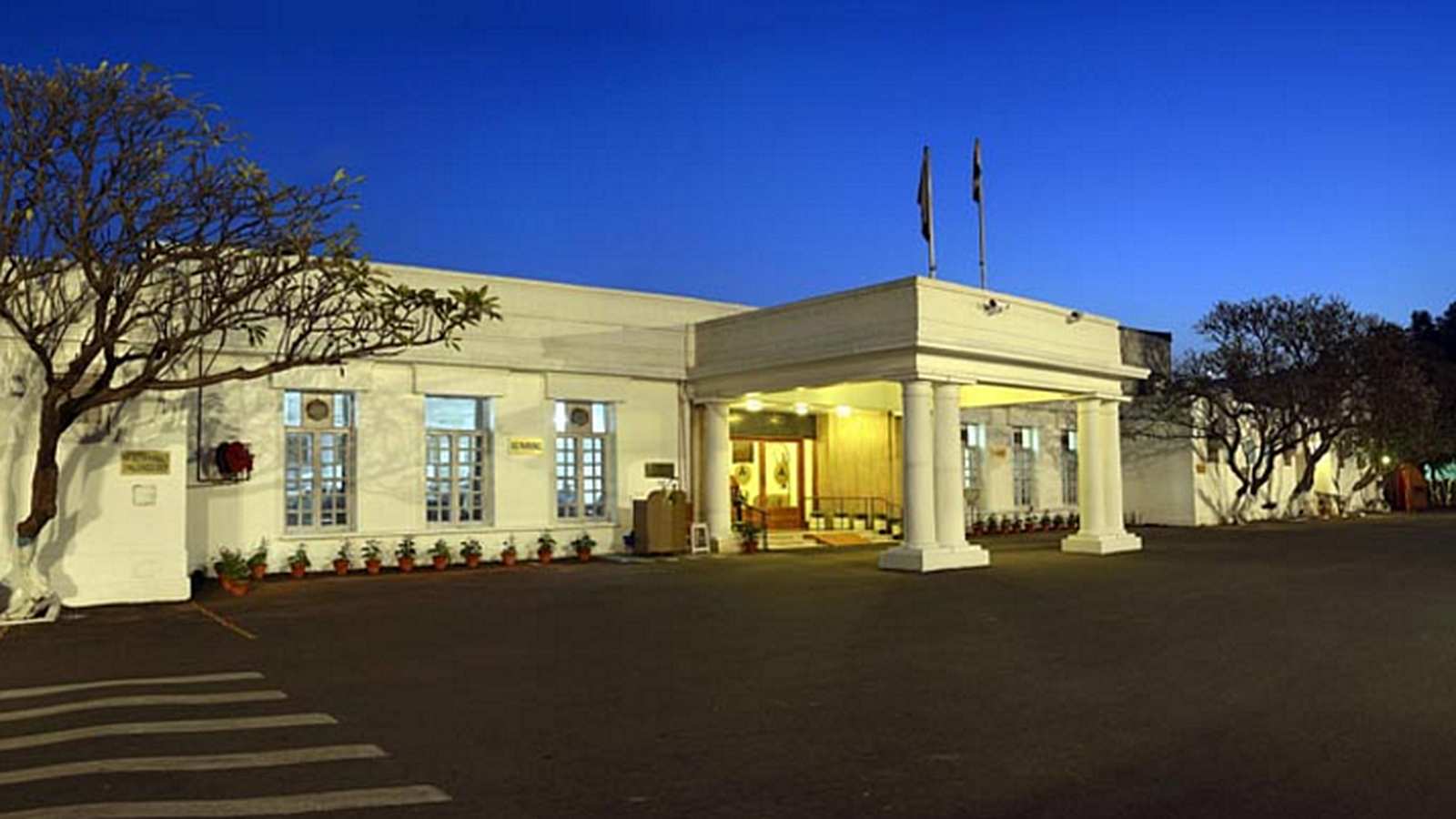
Delhi Gymkhana Club To Shut Down: One of India’s most exclusive social institutions, the historic Delhi Gymkhana Club, is once again at the centre of national attention after the Central government ordered the club to vacate its iconic Lutyens’ Delhi premises by June 5, 2026. The move has triggered widespread speculation over whether the century-old elite club could effectively shut down or lose its current identity.
Located at 2, Safdarjung Road in the heart of New Delhi, the British-era institution has long been considered one of the most difficult clubs to enter in India with membership wait times reportedly stretching up to 37 years.
Delhi Gymkhana Club To Shut Down?
The latest controversy began after the Land & Development Office (L&DO), operating under the Union Ministry of Housing and Urban Affairs, issued a notice directing the club to hand over its 27.3-acre land parcel. According to the government, the strategically located land is needed for strengthening defence infrastructure and other public-interest projects in the national capital.
The government notice reportedly warned that if the premises are not vacated by June 5, possession could be taken “in accordance with law.”
In a letter dated May 22 to the club secretary, the L&DO said the land at 2, Safdarjung Road was originally leased to the Imperial Delhi Gymkhana Club Ltd, now known as Delhi Gymkhana Club Ltd, for use as a social and sporting facility.
“In exercise of the powers conferred under Clause 4 of the Lease Deed, the President of India, through the Land & Development Office, hereby determines the lease and orders re-entry of the aforesaid premises with immediate effect,” L&DO said.
“Upon such re-entry, the entire plot of land measuring 27.3 acres, along with all buildings, standing erections, structures, lawns, and fittings thereon, shall vest absolutely in the lessor, i.e., the President of India, through the Land & Development Office.”
The order states that possession of the premises will be taken over by the L&DO on June 5.
“You are directed to hand over peaceful possession of the premises to the representatives of this office on the aforesaid date. In the event of non-compliance, possession shall be taken in accordance with law,” it stated.
Why Does Delhi Gymkhana Membership Take 37 Years?
The club’s legendary waiting period is linked with its very tightly restricted membership structure and this exclusivity driven entry process. Unlike most luxury clubs where money is the real stopper, Delhi Gymkhana is more about putting social background first, plus influence, professional standing, and personal references.

Reports suggest that only around 60–100 memberships become available annually due to deaths or resignations. Thousands of applicants remain on the waiting list.
Some applicants from the 1970s are reportedly still waiting for approval.
The club historically followed an unofficial “40-40-20” structure:
- 40% memberships linked to civil services
- 40% to defence personnel
- 20% to civilians and others
This tightly controlled structure helped preserve the club’s elite network of bureaucrats, diplomats, military officers, industrialists, and politically influential families.
Delhi Metro Timings Changed for UPSC Prelims 2026: Check Routes & Timings
The ‘Clubability’ Factor
One of the most talked-about things around Delhi Gymkhana membership is, in a way, that “clubability” angle insiders mention in quieter moments. It’s basically an informal sense of whether an applicant actually fits into the club’s culture and its ongoing traditions.
Even very high net-worth individuals cannot really promise entry by themselves, not without the right references, and not without the right kind of social web. A bunch of online discussions, plus accounts from former applicants, often point out that the whole pathway feels closer to influence and legacy connections rather than just wealth alone.
Past Controversies Around Membership
The club has been getting pulled into repeated scrutiny, over alleged favouritism, some financial irregularities, and also a bit of controversial membership behaviour. Earlier probes, did point to worries about “Green Card” privileges being given to adult children of existing members.
Back in 2020, proceedings before the National Company Law Tribunal (NCLT) also brought more focus to claims that the club went beyond the prescribed membership limits.
What Happens Next?
For now, the club’s management hasn’t said publicly whether it plans to challenge the government’s order in court, or instead look at relocation options. The next few weeks are likely to be decisive, because that’s when it may become clear whether Delhi Gymkhana can keep operating from a different site, or if one of India’s last big colonial-era elite institutions will see a sharp change in direction.