
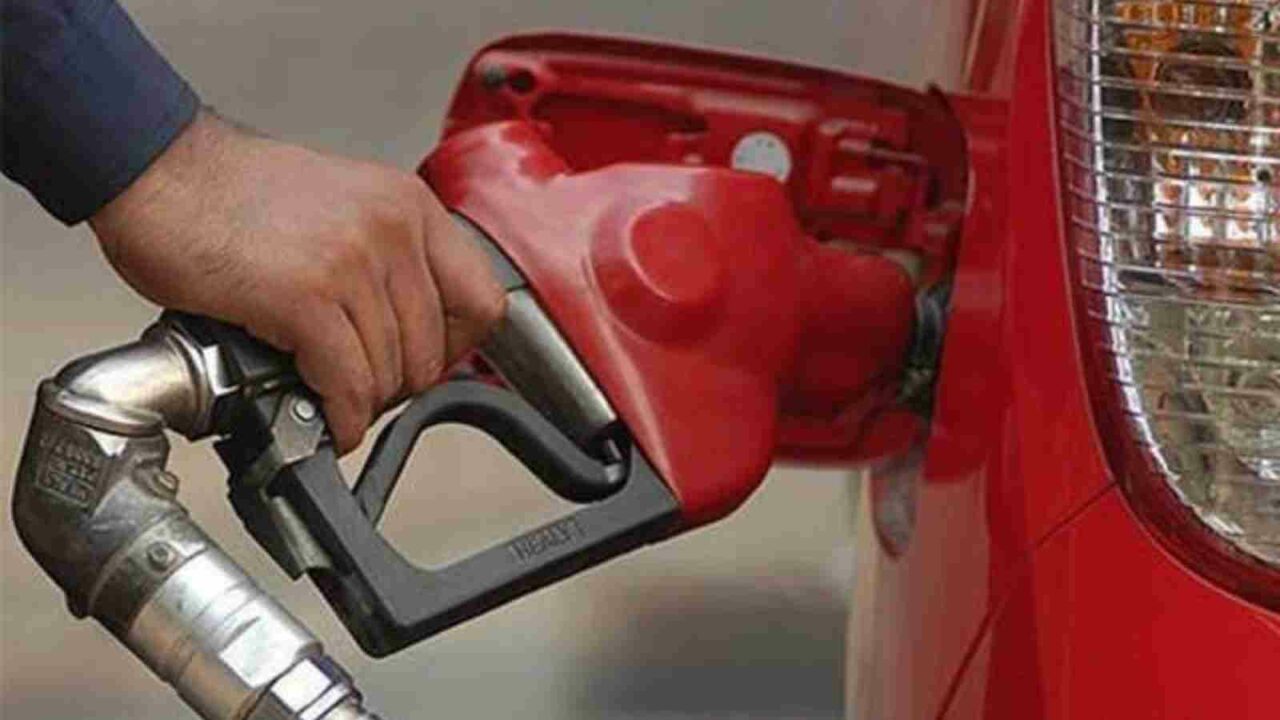
Fuel Rates Today in India (7 April 2026): The fuel prices in India remained unchanged on April 7 2026 which gave drivers temporary financial relief from increasing international crude oil prices. According to information from oil marketing companies, petrol in Delhi costs ₹94.77 per litre and diesel costs ₹87.67 per litre.
Brent crude oil prices currently maintain their current level which stands at $110 per barrel because of increasing diplomatic conflicts between the United States and Iran.
Fuel Rates Today in India (7 April 2026)
New Delhi
- Petrol: ₹94.77/L
- Diesel: ₹87.67/L
Mumbai
- Petrol: ₹103.49/L
- Diesel: ₹90.03/L
- Petrol: ₹105.41/L
- Diesel: ₹92.02/L
Chennai
- Petrol: ~₹100.75/L
- Diesel: ~₹92.39/L
Bengaluru
- Petrol: ₹102.92/L
- Diesel: ₹90.99/L
Hyderabad
- Petrol: ₹107.46/L
- Diesel: ~₹95.70/L
Gurgaon
- Petrol: ₹95.44/L
- Diesel: ₹87.90/L (aligned with nearby NCR trends)
Noida
- Petrol: ₹94.77/L
- Diesel: ₹87.89/L
The daily fuel rate updates occur every morning at 6 AM, yet the prices have stayed mostly unchanged during the past few days, despite international market fluctuations.
Petrol & Diesel Prices Today (6 April 2026): Check Latest Premium Fuel Rates in Your City
Why Are Fuel Prices Stable Despite Rising Crude?
The Indian retail fuel market has not experienced price increases, despite the worldwide surge in oil prices. Experts attribute this to:
- Government intervention and price control measures
- Upcoming political considerations (including elections)
- Oil marketing companies absorbing losses to shield consumers
Public sector oil companies currently face substantial financial losses because they must sell fuel at government-regulated prices.
Global Oil Market: Brent Crude Above $110
The market experiences ongoing uncertainty about oil supply security because Brent crude oil prices currently exceed 110 dollars per barrel.
The following factors drive the current increase in US-Iran conflict:
- The United States and Iran have reached a point where their relationship has become severely tense
- The Strait of Hormuz functions as an essential oil transportation pathway which has now experienced closure
- The former US president Donald Trump issued Iran with a deadline that he expected them to meet
The Strait of Hormuz serves as a transit route for nearly 20% of global oil supply, which creates a critical situation that impacts international markets.
The rising tensions between the two parties will create a situation which requires two parties to make a decision about their next steps.
What To Expect?
Market analysts suggest:
- Short-term fuel price fluctuations in India between now and next week will not occur
- Any prolonged geopolitical escalation could force price revisions
- The inflation rate will increase if crude oil prices stay above 110 dollars.
The upcoming days will determine global market trends because traders need to know about US-Iran developments and essential oil supply pathways.