



Google Launches Search Profiles: Google has unveiled a major update to Search with the introduction of Search Profiles. It’s basically a new thing that gives publishers and content creators dedicated profile pages right inside Google Search. The idea is in theory to help people find creators and publishers they can trust, while also giving content owners more say over how they show up across Google’s whole ecosystem.
This launch lands at a perfect moment too because search platforms are increasingly leaning into creator-first experiences and more direct audience engagement. With customizable profile hubs, Google is aiming to build one centralized stop where users can browse articles, videos, social media posts and other information from a given creator or publisher without bouncing around so much.
What Are Google Search Profiles?
Google Search Profiles are dedicated, shareable pages that let creators and publishers present their work and online presence directly within Search. Instead of users having to jump between multiple places just to figure out who a creator is, Search Profiles collect content from different sources into one landing area.

“Search profiles give publishers and creators a central place to showcase their latest articles, videos and social posts,” Google said in a blog post Thursday about the new feature. “People can easily follow sources from their profile, so they’re more likely to see that content on Discover, found on the home screen of the Google app.”
Google says these profiles are built to help audiences locate accurate, current information about creators and publishers, and also to make it simpler to uncover their newest materials. In practice, the profiles work like a digital identity hub, tying together websites, articles, videos, social accounts and recent updates under a single searchable profile that users can find faster.
How Google Search Profiles Work?
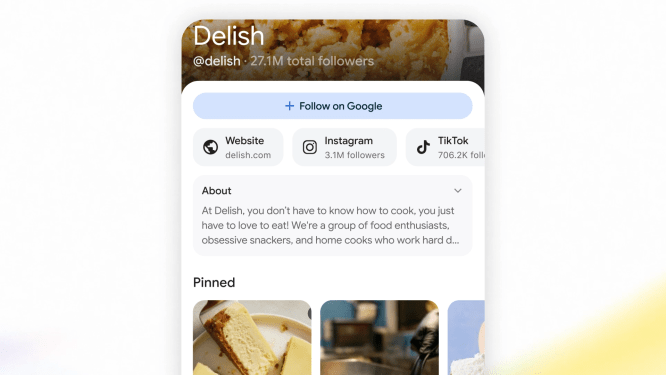
Once a creator or publisher claims a Search Profile they can do some customizing on it, with key things about themselves or about their brand.
The profile might include:
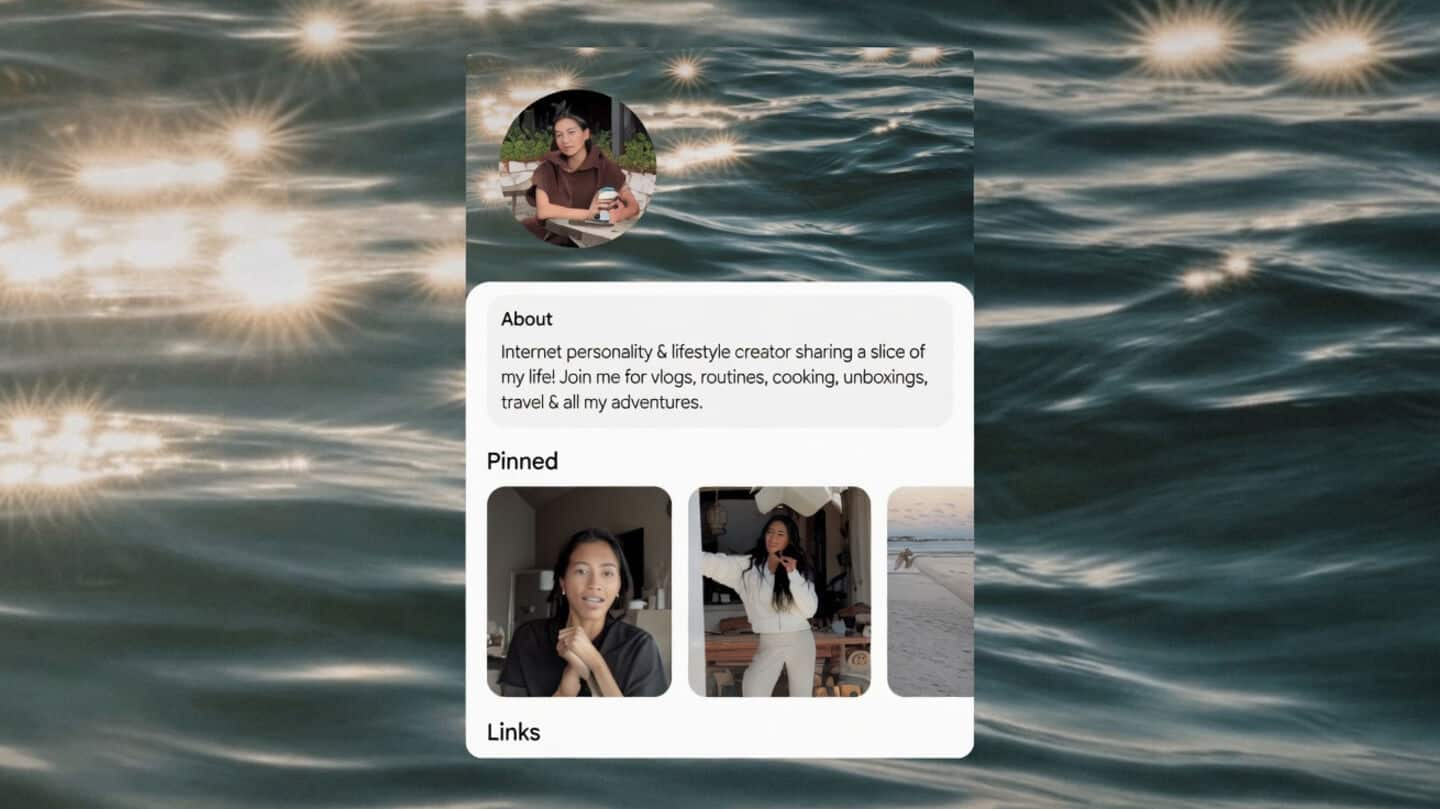
- Profile photo or a simple avatar
- A biography or short description
- Website links
- Social media accounts
- Video platform links
- Latest articles
- Recent social media posts
- Pinned content
- Featured videos
Google kinda automatically sorts all this info into a dedicated profile page, which shows up via Search results, Knowledge Panels, Discover feeds and those direct profile URLs. Then users can follow the creator right through Google, so there’s a better chance of seeing their posts and videos in Google Discover.
Google I/O 2026: Android 17 Features and Gemini AI Updates Expected at Event
Where Users Will See Search Profiles?
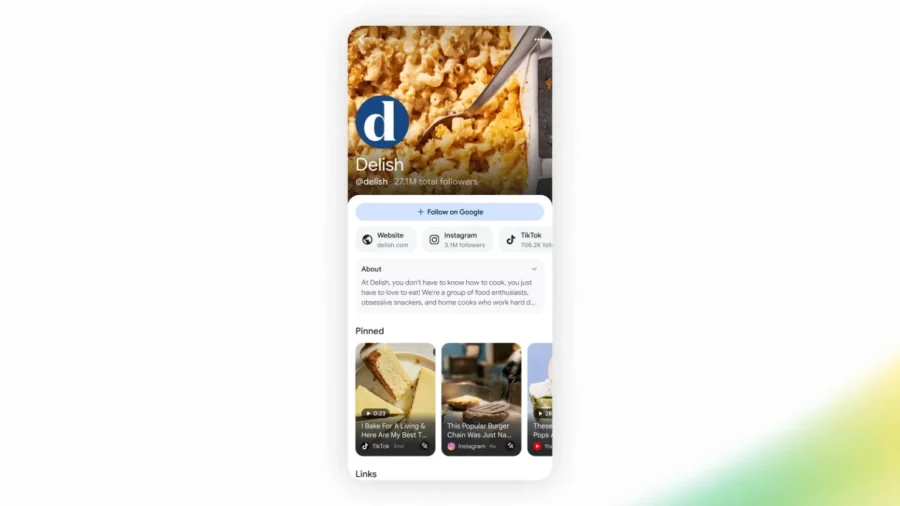
Google says Search Profiles can appear in several locations across its ecosystem.
Users may access a profile through:
Knowledge Panels: When searching for an eligible creator or publisher, users can find a link to their Search Profile within Google’s Knowledge Panel.
Google Discover: Discover users can tap on a creator or publisher name above content cards to access the profile page.
Direct Shareable URLs: Every Search Profile receives a unique URL that creators can share across social media platforms, websites, newsletters, and other digital channels.
Google Launches Search Profiles: Eligibility
At launch, Search Profiles are not going to be there for everyone. Google is doing the usual thing, limiting who can see it for publishers and creators who already have a big reach on major social and video platforms. Right now, the eligibility rules are:
- 100,000 YouTube subscribers
- 100,000 Instagram followers
- 100,000 X followers
- 300,000 TikTok followers
To claim a profile, creators have to hit at least one of those numbers and also be 18 years old minimum. The rollout is starting in the United States first and it’s going out in stages.
Impact On SEO And Digital Publishing
The launch of Search Profiles shows Googles ongoing investment in creator centric search experiences not just the usual page-by-page thing.
In a statement, a Google spokesperson said: “People are increasingly gravitating to AI experiences, and our generative AI Search features are designed to provide a useful overview of a topic while prominently surfacing relevant links to websites. We’re rapidly upgrading our AI experiences, creating new opportunities for people to connect with web content by increasing searches and showing links to a wider range of sources.”
For publishers and creators this implies that visibility will lean more and more on the bigger digital picture not only on whether a single page lands in search results. Search Profiles might become a valuable SEO asset too since it can help people find more content from trusted sources and it also nudges repeat interaction via follows and Discover suggestions.