
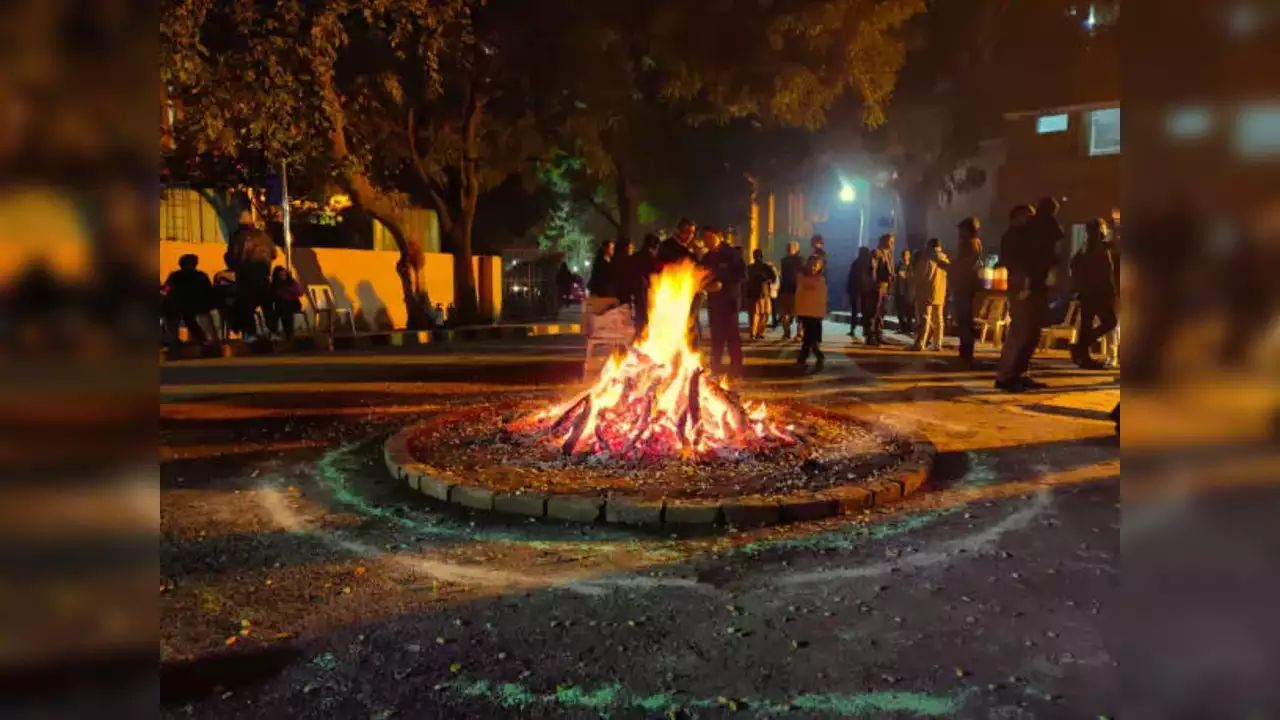
Holashtak 2026 Start and End Date: As the festival of Holi approaches, many Hindu households begin observing Holashtak, an eight-day period which people believe to be spiritually sensitive and they use it to avoid starting any new activities or auspicious activities. The period holds deep religious significance because it serves as the final phase of preparation for both Holika Dahan and Rangwali Holi celebrations.
Holashtak 2026 Start and End Date
According to the Hindu lunar calendar (Panchang), Holashtak begins on the Ashtami tithi of Shukla Paksha in the month of Phalgun and ends on Phalgun Purnima, the day of Holika Dahan.
- Holashtak Start Date: 24 February 2026
- Holashtak End Date: 3 March 2026 (Holika Dahan day)
- Rangwali Holi: 4 March 2026
What Is Holashtak?
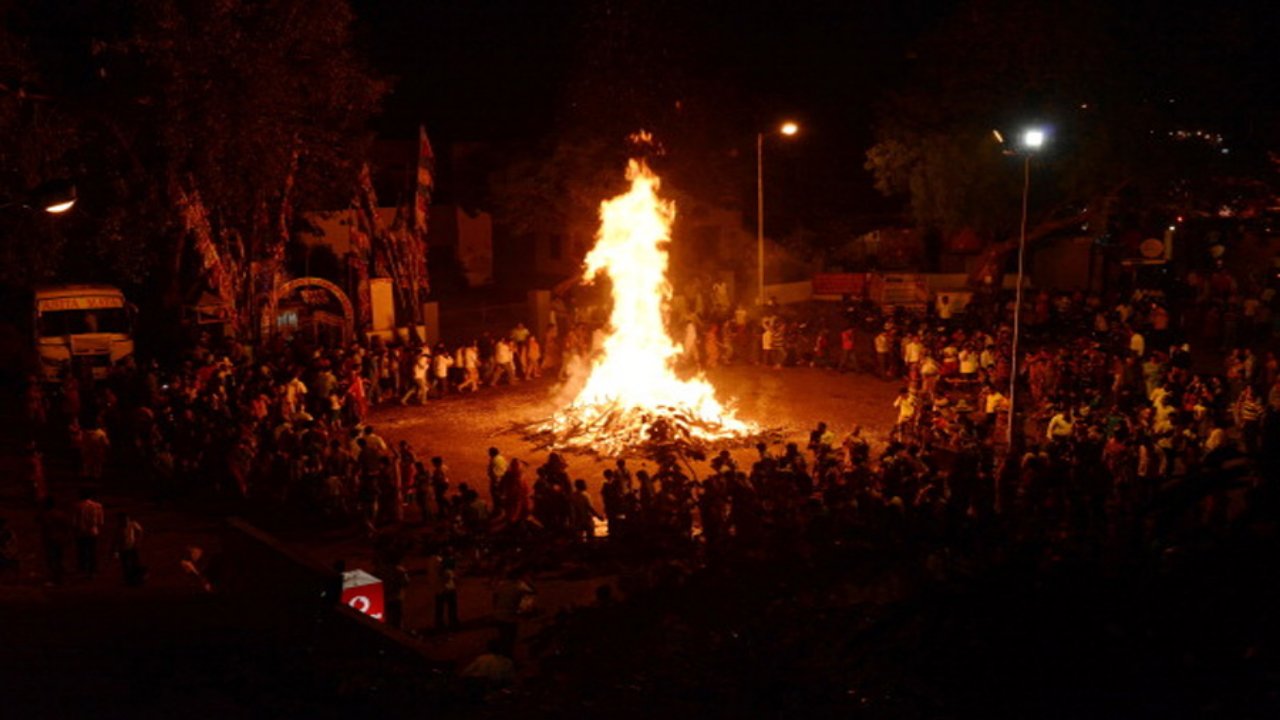
The word Holashtak is derived from two terms:
Holi: The festival of colours
Ashtak: Meaning eight days
It refers to the eight days before Holika Dahan, during which planetary energies are believed to be unstable, making it unfavorable for major life decisions or ceremonies. Instead, the period is considered ideal for spiritual reflection, prayer, and self-discipline.
Stock Market Holidays 2026: Complete NSE, and BSE Trading Holiday List
Why Is Holashtak Considered Inauspicious?
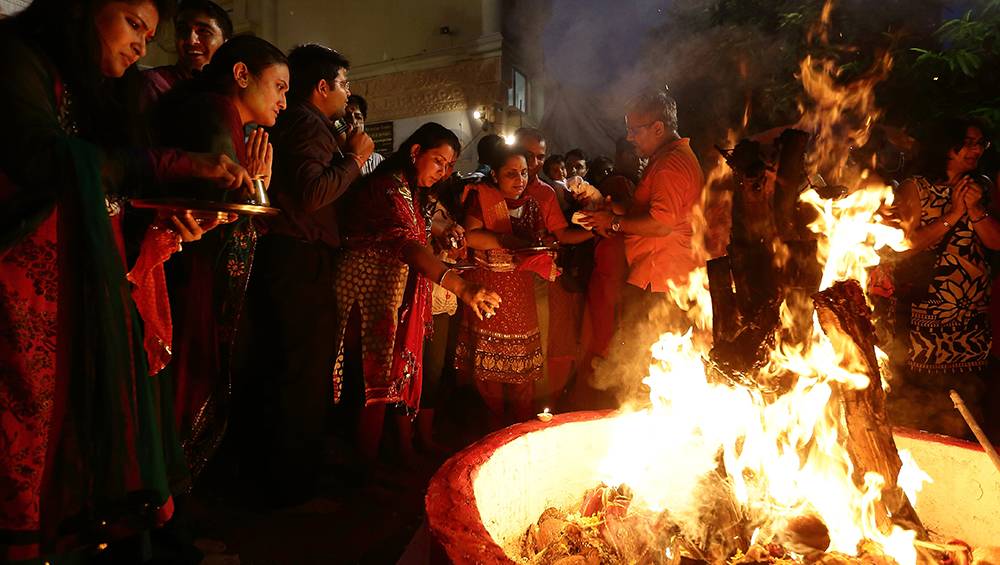
Multiple mythological and astrological beliefs exist which connect with this time period.
1. Prahlad and Holika Legend
The Hindu scriptures describe how demon king Hiranyakashipu inflicted torture upon his son Prahlad because of Prahlad’s strong devotion to Lord Vishnu during the eight-day period. The suffering ended with Holika’s defeat in the fire, which represented faith’s triumph over evil.
2. Kamadeva and Lord Shiva Story
The belief states that Lord Shiva used his third eye to burn Kamadeva during this period because his meditation experienced interruption. Kamadeva was later brought back to life through prayers, but the eight days remained linked to periods of unrest.
3. Astrological Reasons
Traditional astrology indicates that Holashtak planetary positions create unfavorable conditions, which result in obstacles that disrupt new beginnings.
Activities Traditionally Avoided During Holashtak
Families following traditional customs usually postpone major events, including:
- Marriage or engagement ceremonies
- Griha Pravesh (housewarming)
- Mundan and other sanskar rituals
- Starting a new business or job
- Buying vehicles or property
- Naming ceremonies and sacred thread rituals
What You Can Do During Holashtak?
The time period is designated for these activities because it serves as a proper time for:
- People should dedicate their time to prayer and meditation
- People should dedicate their time to charity work and donations
- People should dedicate their time to spiritual reading and self-reflection
- They use the time to prepare their Holika Dahan ceremonies
- They use fasting and devotional practices as their spiritual observance
The Holi rituals begin for devotees who start their Holika preparations during this time.