

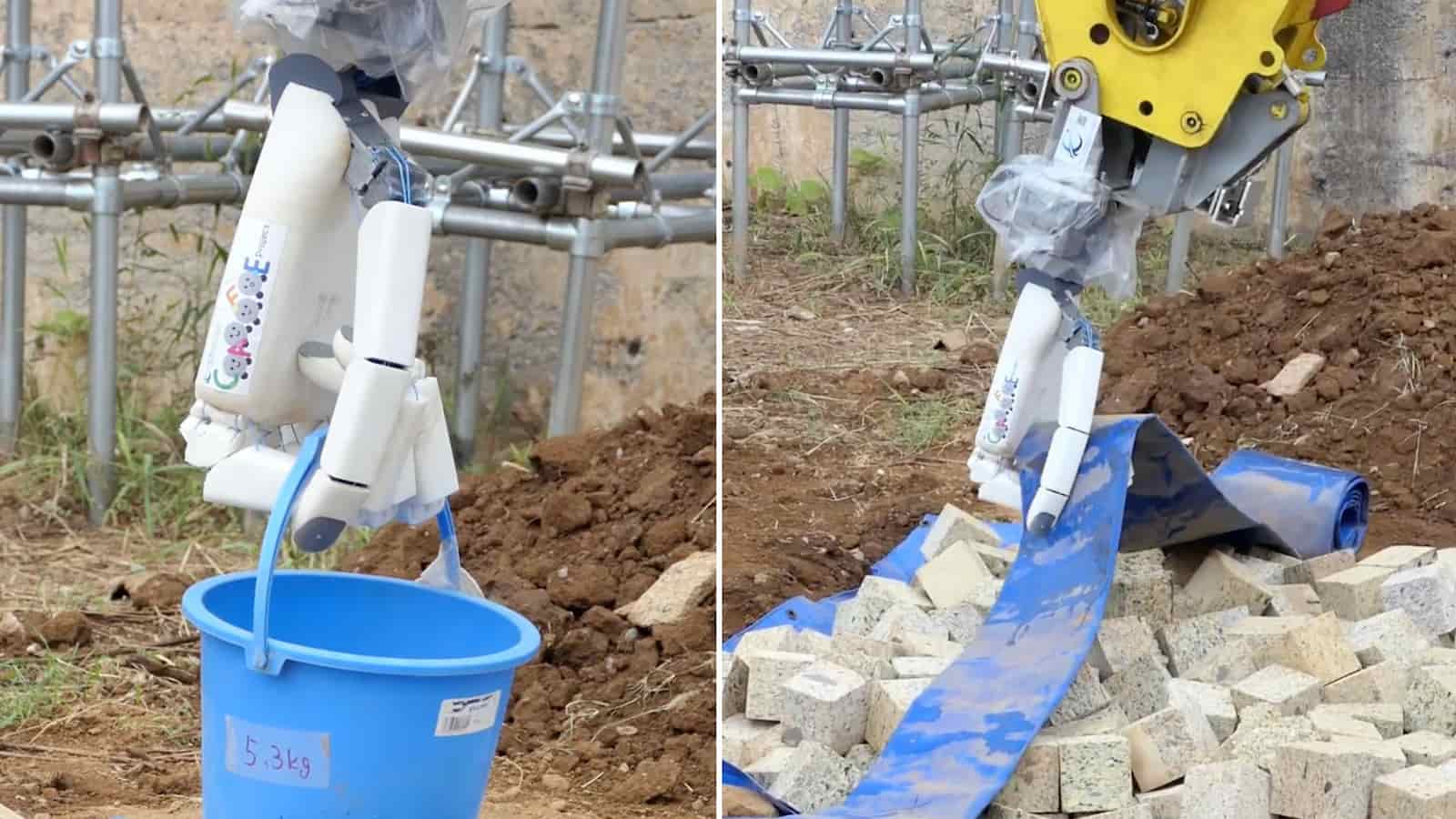
Fukushima nuclear plant: Japan has shown a new robotic machine that will help workers deal with dangerous radioactive debris inside the Fukushima Daiichi nuclear power plant. The machine is a very long robot arm that measures 22 metres. It will be used to collect another small sample of radioactive material from inside the damaged reactors.
The robot was introduced by the plant’s operator Tokyo Electric Power Company (TEPCO). Removing the melted fuel and debris from the plant is one of the hardest parts of the clean up work. This huge project will take many decades to finish because the radiation levels inside the reactors are still extremely high.
Google Pixel 10a Launched in India: Price, Specifications, Tensor G4 Chip and Launch Offers
The Fukushima nuclear accident took place in 2011 after a very strong 9.0 magnitude earthquake struck Japan. The earthquake caused a huge tsunami, and the big waves hit the nuclear power plant.
Today about 880 tonnes of radioactive debris still remain inside the damaged reactors. Because it is too dangerous for people to go near the material, special robots must be used to inspect the site and collect samples.
Snake-Like Robot Designed for Difficult Spaces
TEPCO recently released a four minute video showing the new robot arm in action. The machine looks long and flexible, almost like a snake. It can move slowly through tight spaces and small tunnel like passages inside the reactor building.
The robot arm weighs about 4.6 tonnes and has a camera attached to it. The camera allows engineers to see inside areas that humans cannot safely enter.
Company spokesman Isao Ito explained that the robot can gather more useful information than earlier machines used at the plant. He said the robot “is better at retrieving information” than previous devices used.
Third Trial Debris Removal Planned
TEPCO plans to use this robot later in 2026 for another trial mission to collect radioactive debris from one of the melted reactors at the Fukushima plant.
So far only very small samples of the material have been taken out during earlier tests. Special tools were used to collect those samples. However the complete removal of the large amount of debris has not started yet.
Xiaomi Launches Mijia Water Purifier 2 1200G with 7-Year RO System: Price, Features, Availability
In July, TEPCO said that the major operation to remove the debris has been delayed. The company now expects the large scale removal process to begin no earlier than 2037. Earlier plans had suggested the work might start in the early 2030s.