
New FAR and TOD Rules in Delhi: Delhi is moving towards more high-rise buildings because land is getting tighter every year. New policy changes have made this possible. The big ones are a higher Floor Area Ratio, or FAR, and a wider Transit-Oriented Development, or TOD, area. These changes can allow builders to plan taller towers and larger redevelopment projects in the capital. The DDA’s TOD policy dated February 6, 2026, is part of this push and is meant to support planned growth near transit routes.
This shift is mainly meant to help Delhi use land in a better way. The idea is that if homes and offices are built close to metro routes, people may depend less on private vehicles. The policy also tries to support mixed-use development, where homes, shops, and offices can come up in the same area. Reports say the updated TOD framework has expanded the possibility of high-density building near transit points across the city.
5 China ETFs Indian Investors Can Consider for Tech and AI Exposure
What has Changed in the Policy?
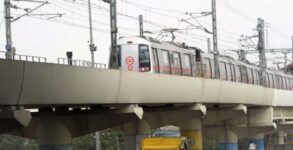
Under the new TOD rules, Delhi is trying to promote high-rise housing near metro corridors. The plan is to reduce traffic pressure and make better use of limited space. According to recent reporting, the revised norms allow higher and denser construction near metro, RRTS, and other transit stations.
The policy also uses a single-window clearance system, so builders do not have to run to many offices for approvals from the Delhi Jal Board, MCD, and the Fire Department.
The project area is spread across about 207 sq km of Delhi. Around 14 plots have already been marked near important metro-linked places such as Dwarka, Rohini, Peeragarhi and Karkardooma.
In some reports, the revised TOD rules are described as allowing construction within 500 meters of a transit station, with a smaller minimum plot size than before. The broader aim is to make it easier to build in places where road widening is difficult.
City Development must keep up
Even with all these new rules, experts say Delhi cannot grow upward unless its basic systems also grow. They say the real question is not just how tall a building can be. The bigger question is whether roads, water supply, sewer lines, drainage, and public transport can handle more people. The Delhi Master Plan itself has long talked about redevelopment of crowded areas along with stronger infrastructure and more open space.
BSNL Satellite Phone Official in India: ₹1.3 Lakh Price, Plans and Why It Costs More Than an iPhone?
Architect and former DDA Planning Commissioner Ashok Kumar Jain said the city is at an important stage. He said, “With rising land prices and limited space, higher FAR and TOD-based development is a natural step,” he said.
He also warned that redevelopment should not be judged only by profit or extra construction. He said local infrastructure must be improved at the same time, or high-rise areas may face traffic jams, water shortage, and waterlogging.
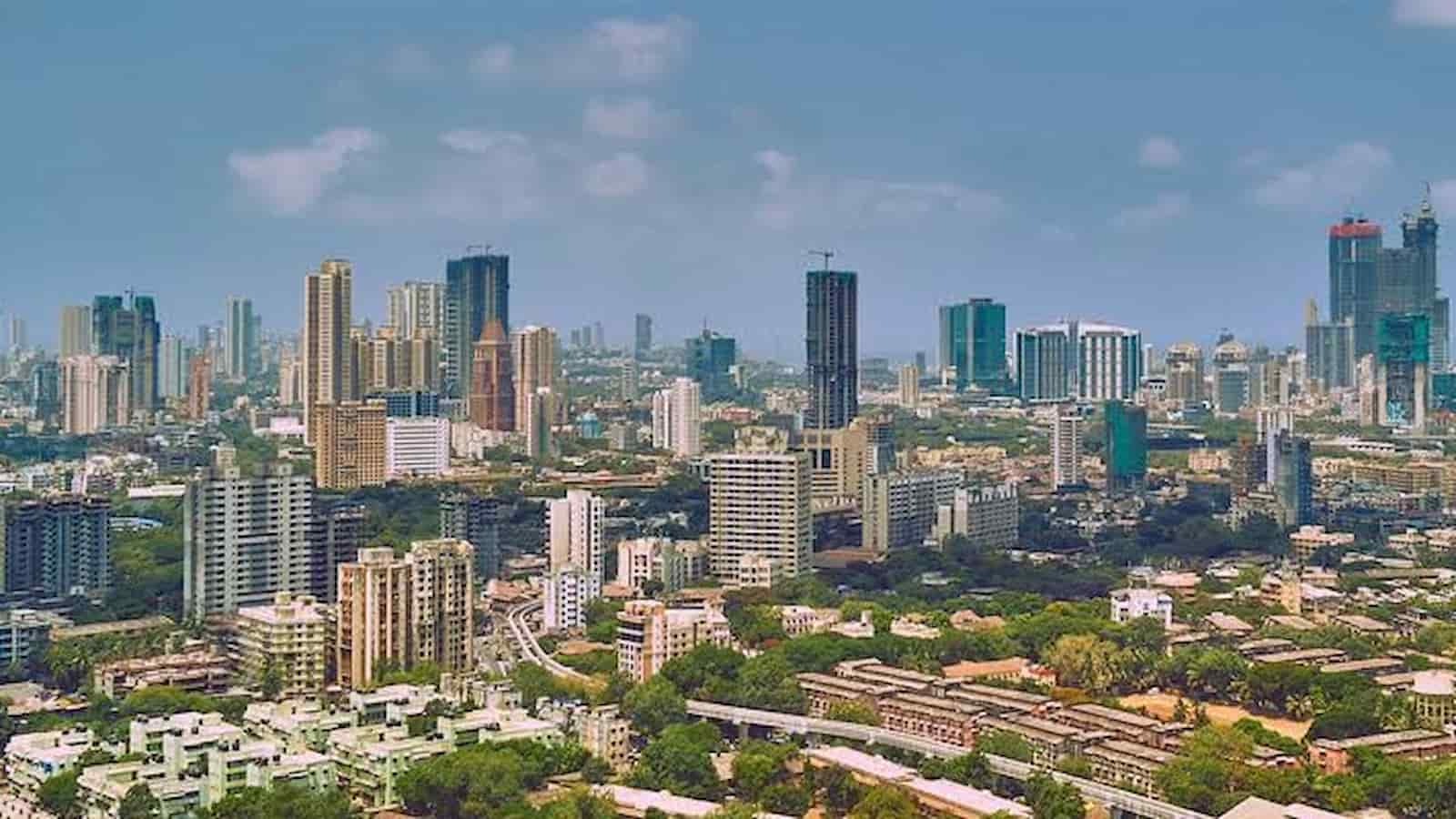
Experts believe Delhi can one day build a skyline like big global cities such as Shanghai. But they also say that changing building rules alone is not enough. Roads, pipelines, drains, and public transport must be upgraded side by side with vertical growth. Otherwise, the city may get taller, but life on the ground may become harder.