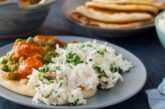

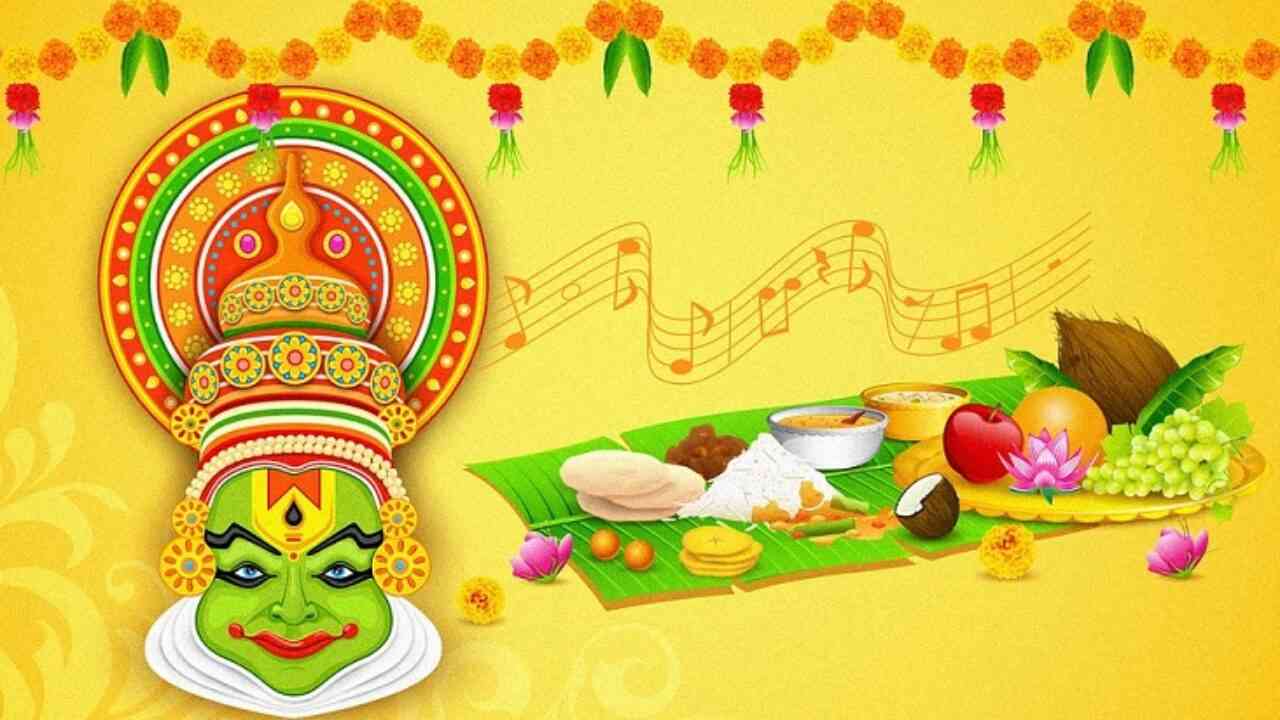
Onam Sadya 2026 Recipes: As Onam 2026 comes closer, people have started making preparations for the traditional Onam Sadya in Kerala and also among Malayali communities across the world. The grand vegetarian feast is one of the most recognisable food customs tied to the festival and it is usually presented on a banana leaf.
For 2026, Thiruvonam lands on Wednesday, August 26. Kerala Tourism puts August 26 down as the Thiruvonam date, and the celebrations are marked throughout Kerala though there are small regional differences in the rituals and the way the festivities are carried out.
What Is Onam Sadya?
Sadya also spelled Sadhya, is a traditional vegetarian feast of Kerala. It is particularly associated with Onam and is generally served on a fresh banana or plantain leaf. The menu varies from region to region and from household to household. Kerala Tourism notes that a Sadya can feature around 40 vegetarian dishes, while the exact selection depends on local culinary traditions.
Traditional Onam Sadya 2026 Recipes
1. Avial
Avial is one of the best-known dishes on a Sadya platter. It combines mixed vegetables with coconut and yoghurt, creating a mildly spiced, creamy preparation.
Common vegetables include raw banana, yam, ash gourd, carrot and beans, although recipes differ between households.
2. Sambar
A Sadya is incomplete for many people without sambar. Made with lentils, vegetables, tamarind and spices, it is generally served with the rice as one of the main courses.
Regional variations are common. Kerala Tourism notes, for example, that coconut may be added to sambar in parts of the Malabar region.
3. Olan
It is one of those subtle curries that is usually made with ash gourd and cowpeas, cooked together in coconut milk. Compared with those heavily spiced curries it feels gentler, like the flavours don’t shout too much more of a calm creamy thing coming from the coconut base. It’s also a traditional preparation that’s linked with Kerala Sadya, the whole festival meal vibe.
4. Kaalan
Kaalan is a thick yoghurt based dish made in a traditional way with stuff like raw banana or yam. What stands out is the little tangy sourness, a creamy, almost smooth consistency, so it becomes one of those important parts people expect in the Sadya spread.
Kerala Tourism even puts Kaalan in the list of prominent dishes tied to regional Sadya traditions.
5. Erissery
Erissery is a vegetable and legume kind of preparation made with coconut. Pumpkin goes very well here and red gram is also a common pairing, depending on who’s cooking and what they have.
It brings a mild sweetness along with an earthy flavour, so the Sadya menu keeps feeling balanced even though everything else is quite varied.
6. Thoran
Thoran is a dry vegetable preparation where you cook with grated coconut. Cabbage, beans, carrot and other vegetables can be swapped in depending on the recipe, so it’s kind of flexible.
It’s also quick to make which helps, and it shows up a lot as a side or an accompaniment in Kerala meals.
7. Pachadi and Kichadi
Pachadi and kichadi are both yoghurt based dishes but their ingredients and how they’re prepared are not the same.
Pachadi can lean a bit sweet when it’s made with things like pineapple. While kichadi usually feels more savoury, and tangy too, so they sort of balance each other on the plate in a nice way.
8. Puli Inji
Puli Inji also called Inji Curry combines ginger, tamarind, chillies and jaggery. The sweet, sour and spicy flavours provide a sharp contrast to the milder dishes on the leaf. Kerala Tourism includes Inji Curry among the traditional Sadya accompaniments.
9. Banana Chips and Sharkara Varatti
The crispy accompaniments served at the beginning of a Sadya include banana chips (Upperi) and Sharkara Varatti. While Upperi consists of fried banana slices, Sharkara Varatti is coated with jaggery and spices. Both are classic elements of the feast.
10. Parippu and Ghee
A small serving of parippu, or lentil preparation, is traditionally eaten with rice and a little ghee during the meal.
The combination provides a simple, comforting start before the more strongly flavoured curries are served.
11. Rasam
After the heavier curries, rasam provides a lighter, tangy and spiced course. It is generally eaten with rice and helps transition the meal towards its later stages.
12. Payasam
No Onam Sadya is complete without payasam. Popular varieties include Palada Payasam, Ada Pradhaman and Parippu Payasam. The dessert may be served directly on the banana leaf or in a small bowl, depending on the occasion and household tradition.
Kerala Tourism specifically notes that Sadya traditionally ends with different varieties of payasam.
Onam 2025 Celebration: History, Cultural Significance and Rituals of 10 Day Festival
How Is Onam Sadya Traditionally Served?
One of the distinctive features of Sadya is its presentation. The meal is traditionally served on a plantain leaf, with different dishes arranged in specific areas of the leaf. Kerala Tourism notes that the tapering end of the leaf traditionally points towards the left of the person eating, while rice is placed towards the lower portion.
When Is Thiruvonam?
According to current 2026 festival calendars, Thiruvonam will be observed on Wednesday, August 26, 2026. The Thiruvonam nakshatra begins on August 25 at 10:51 PM and ends on August 27 at 12:48 AM for Thiruvananthapuram, according to Drik Panchang.